How to clean a cat’s ears safely—and when not to
Do not routinely clean a healthy cat's ear canal. When a veterinarian recommends cleaning, use the specified product and technique; pain, odour, discharge or head shaking should be assessed before home treatment.
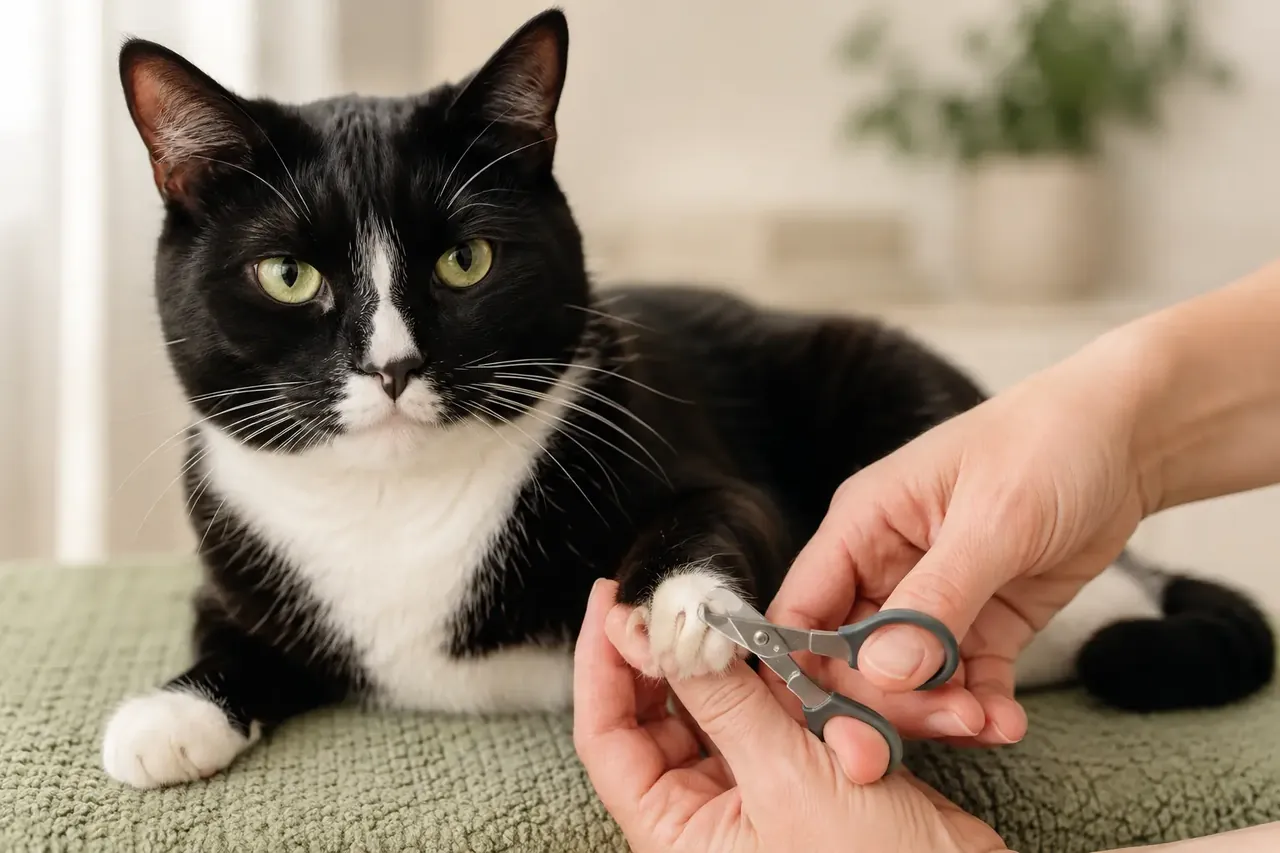 Topic illustration selected for this guide. Some learning images may be AI-assisted.
How to clean a cat’s ears safely—and when not to — the quick answer
✓ Ask the veterinary team which cat-safe cleaner and frequency suit the individual cat.
✓ Massage only as demonstrated, let the cat shake and wipe the visible outer folds gently.
✓ Pain, odor, blood, head tilt, balance loss or repeated scratching needs veterinary care.
Healthy cat ears often need little intervention, and discharge may signal disease. This guide shows how to remove visible outer-ear dirt only when cleaning is actually recommended, what equipment helps, how to protect trust and when routine care should become professional care.
Know what normal looks like
A healthy ear is usually pale, comfortable and free from strong odour or heavy debris. A small amount of wax does not automatically require cleaning. Compare both ears and note redness, swelling, scratching, head tilt, balance change or sensitivity.
Get the cause checked first
Dark debris can occur with mites, yeast, bacteria, blood or ordinary wax, and appearance alone cannot reliably distinguish them. Cleaning before examination may worsen pain or remove useful diagnostic material. Arrange veterinary advice for a new or recurring change.
Use only the recommended cleaner
If instructed, warm the bottle in your hand, follow its label and the clinic's demonstration, and clean only what you can see with soft gauze or cotton. Let the cat shake and keep sessions brief. Stop if the cat cries, struggles or the ear becomes more painful.
Keep objects and irritants out
Never insert cotton buds, tweezers or fingers into the canal. Avoid water, peroxide, alcohol, vinegar, oils and leftover medication. Do not use a dog's ear product or treat both ears automatically when only one was prescribed.
When it needs prompt care
Contact a veterinarian for bad odour, discharge, bleeding, swelling, persistent scratching, repeated head shaking or pain. Sudden head tilt, loss of balance, abnormal eye movement, collapse or severe distress needs urgent assessment.
Your quick checklist
Loading saved progress…
Three simple things you can do
You do not have to change everything today. Pick one step that feels realistic, try it and see how your cat responds.
- 1Inspect the outer ear in good light before deciding to clean.
- 2Use only a veterinarian-recommended cat ear cleaner and soft material at the entrance.
- 3Stop and arrange examination for pain, odour, discharge or repeated head shaking.
Common mistakes
×Putting cotton buds into the ear canal.
×Using peroxide, alcohol or essential oils.
×Cleaning an inflamed ear before diagnosis.
Questions cat people ask
How often should I clean my cat's ears?+
Healthy ears often need no routine cleaning. Clean only when advised or when visible wax can be removed gently without entering the canal.
What does dark ear debris mean?+
Mites are one possibility, but infection and inflammation can look similar. Veterinary microscopy identifies the cause.
Still looking for the right answer?
Search the full EverYes Cats encyclopedia with your own words — a symptom, food, behaviour, breed or everyday question.
Checked, dated and transparent
- Prepared by
- EverYes Cats editorial team
- Last updated
- Source checked
- Primary reference
- Merck Veterinary Manual: Otitis Externa in Cats ↗
We begin with the named reference, rewrite the information in plain language and add practical cat-parent steps. Urgent health statements are checked against veterinary sources. This guide has not been individually reviewed by a veterinarian unless explicitly stated. It provides education, not diagnosis or treatment.
How we choose and use sources →
Spotted something unclear or outdated? Tell us so we can review it.
Loading your saved choice…
A cat fountain needs frequent water changes plus full disassembly and cleaning on the manufacturer's schedule. Biofilm hides in pumps, seams and tubing, so topping up the reservoir is not a substitute for cleaning.
 01
 02
 04