First steps for an open wound on a cat
An open wound on a cat may hide deeper trauma or contamination. Control active bleeding with steady direct pressure, prevent licking, keep the cat quiet and contact a veterinarian; heavy bleeding, chest or abdominal wounds, shock or exposed tissue is an emergency.
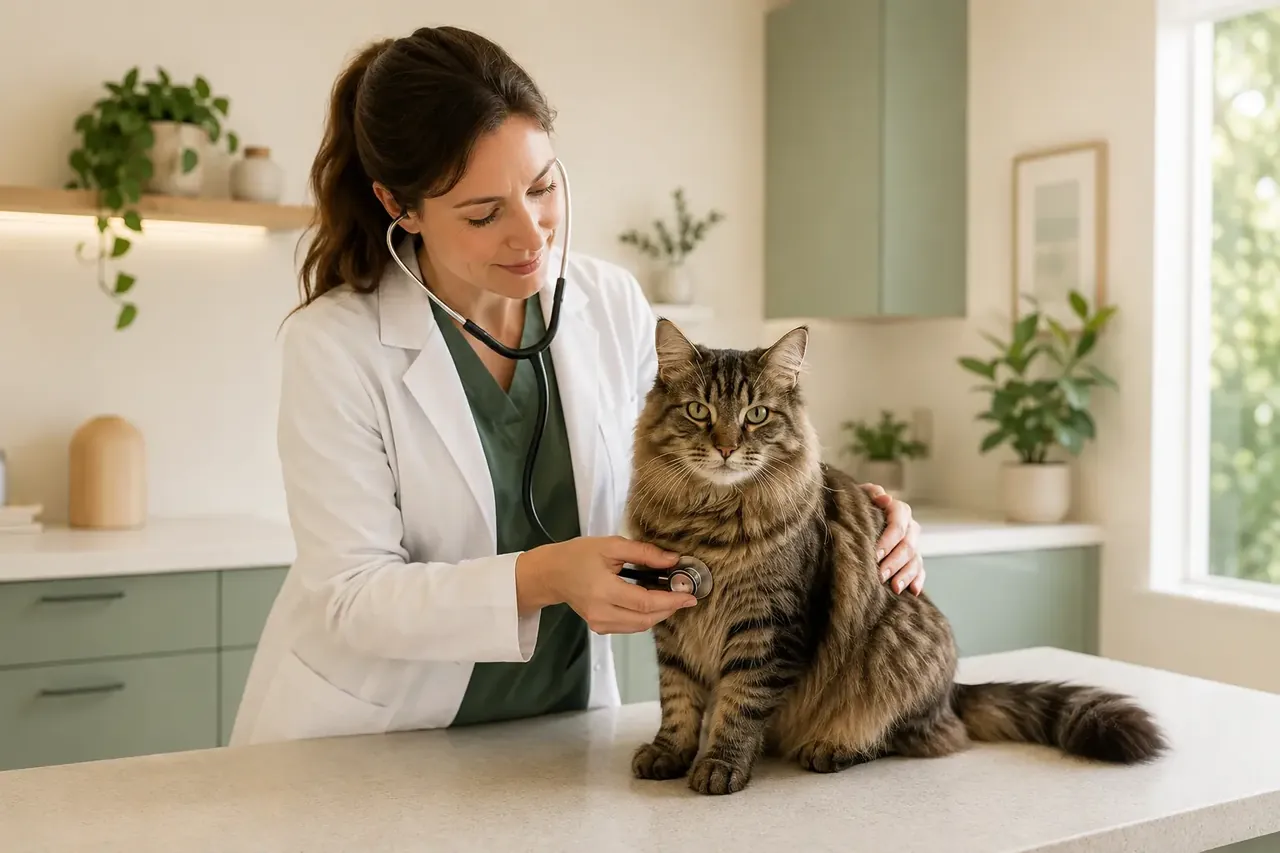
 Topic illustration selected for this guide. Some learning images may be AI-assisted.
This sign can be urgent. Call a veterinarian or emergency clinic now for individual triage; do not wait for this article to diagnose the cause.
First steps for an open wound on a cat — the quick answer
✓ Keep the cat indoors, use gentle pressure for bleeding and seek veterinary advice; avoid peroxide or alcohol.
✓ Uncontrolled bleeding, chest or abdominal wounds, exposed tissue, shock or severe trauma is an emergency.
✓ This information supports observation and does not replace veterinary diagnosis.
Check bleeding, depth, contamination, location, pain and whether a bite or foreign object caused it. This guide explains what to record, what not to do and when veterinary care becomes urgent.
Check the cat before focusing on the wound
Move away from traffic, other animals and the source of injury, then observe breathing, awareness, gum colour and ability to stand without forcing movement. Fur can hide blood loss and a dramatic surface injury can distract from chest, abdominal or head trauma. Call emergency care first for collapse, breathing difficulty, very pale gums or major trauma.
Control bleeding with direct pressure
Place clean gauze or a clean folded cloth over the wound and hold steady pressure without repeatedly lifting it to look. If blood soaks through, add material on top rather than pulling away the first layer. Do not use a narrow tourniquet or tie cord around a limb. Uncontrolled, spurting or rapidly soaking bleeding requires immediate veterinary care.
Protect the area without probing it
Keep the cat from licking when this can be done safely and cover the area loosely with clean non-stick material for transport. Do not explore the wound with fingers, remove deeply embedded objects or push tissue back inside. A penetrating wound can be much larger beneath the skin than its opening suggests, and an object may be limiting bleeding.
Avoid products that damage tissue
Do not pour hydrogen peroxide, alcohol, essential oils, powders, glue or human antiseptic cream into the wound. When a veterinarian confirms that gentle rinsing is appropriate, clean water or sterile saline may remove loose surface contamination, but irrigation must not delay transport for severe wounds. Never scrub, shave painfully or attempt to stitch or staple skin at home.
Arrange veterinary assessment
Bite wounds, punctures, dirty wounds, wounds over joints, paws, eyes, chest or abdomen and any gap exposing deeper tissue need prompt professional care. The team may assess pain, contamination, tissue viability and internal injury before cleaning or closure. Bring the time and cause, medication list and information about another animal involved when known.
Watch for infection after initial care
Follow bandage, collar, medication and recheck instructions exactly. Increasing pain, heat, redness, swelling, discharge, odour, fever signs, poor appetite or lethargy can signal infection or damaged tissue. Do not stop prescribed medication early or apply a new product because the surface looks dry. Return urgently for worsening condition, bleeding or breathing changes.
Your quick checklist
Loading saved progress…
What to do now
Do not use this guide to delay care. Start with the first step and follow the veterinary professional's instructions.
- 1Observe your cat’s individual baseline.
- 2Make one gentle change at a time.
- 3Ask a qualified professional when health or safety is involved.
Common mistakes
×Waiting for a dramatic symptom instead of noticing smaller changes from the cat’s normal routine.
×Changing several things at once, making it difficult to learn what actually helped.
×Treating general guidance as a substitute for advice from a veterinarian who knows the individual cat.
Questions cat people ask
Does every cat follow the same rule?+
No. Age, health, history, temperament and environment all change what works for an individual.
When should I seek professional help?+
Seek veterinary advice for sudden, persistent or concerning changes and urgent help for breathing difficulty, collapse, seizures, poisoning or urinary obstruction signs.
Still looking for the right answer?
Search the full EverYes Cats encyclopedia with your own words — a symptom, food, behaviour, breed or everyday question.
Checked, dated and transparent
- Prepared by
- EverYes Cats editorial team
- Last updated
- Source checked
- Primary reference
- Merck Veterinary Manual: Wound Management ↗
We begin with the named reference, rewrite the information in plain language and add practical cat-parent steps. Urgent health statements are checked against veterinary sources. This guide has not been individually reviewed by a veterinarian unless explicitly stated. It provides education, not diagnosis or treatment.
How we choose and use sources →
Spotted something unclear or outdated? Tell us so we can review it.
Loading your saved choice…
Mouth ulcers in cats can be painful and may accompany dental inflammation, infection, kidney disease, trauma, burns or other illness. Do not apply human mouth products or force the mouth open; arrange veterinary assessment promptly when eating, drinking or comfort changes.
 01
 02
 04