Black, tarry stool in cats
Truly black, sticky, tar-like stool can be melena—digested blood from the stomach or upper intestine—and needs prompt veterinary contact. Dark brown stool is different, but home appearance alone cannot safely rule bleeding in or out.
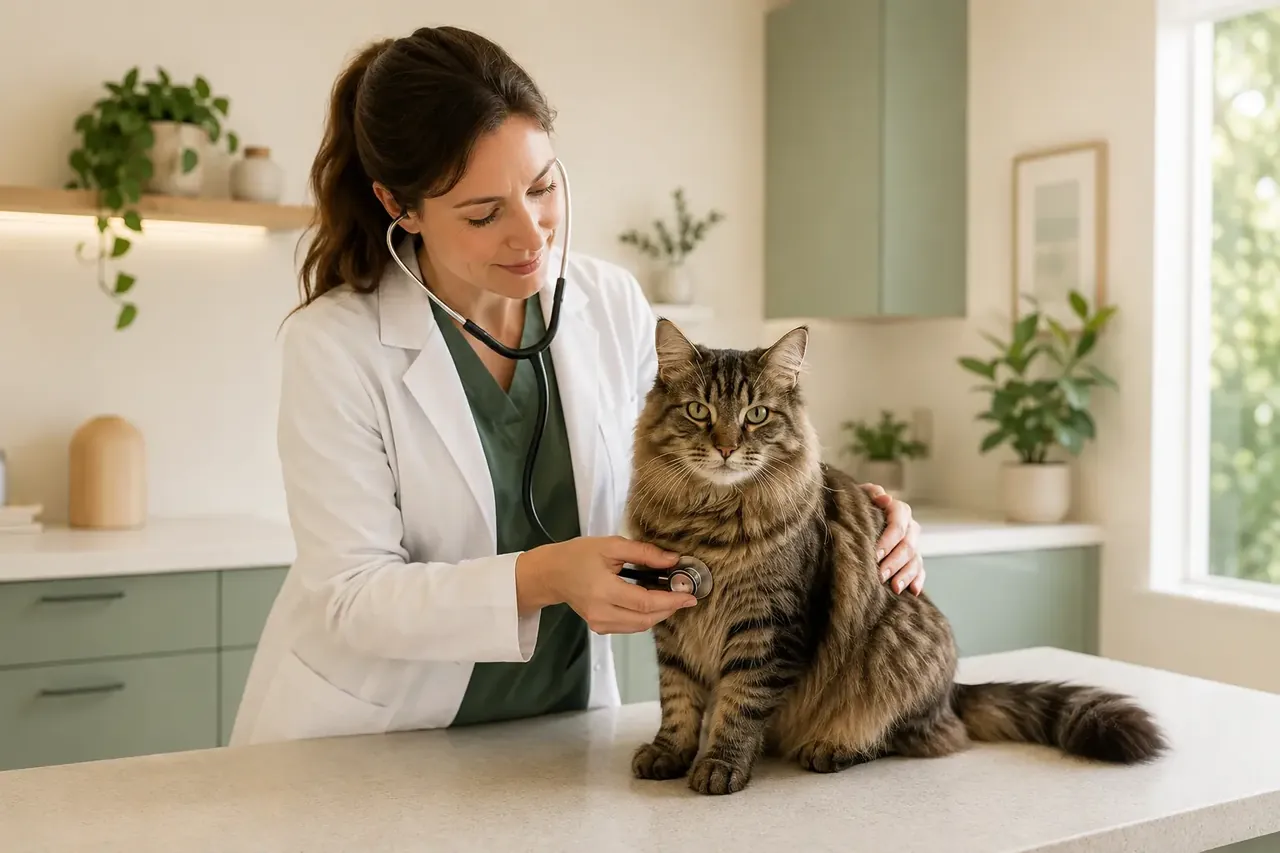 Topic illustration selected for this guide. Some learning images may be AI-assisted.
This sign can be urgent. Call a veterinarian or emergency clinic now for individual triage; do not wait for this article to diagnose the cause.
Black, tarry stool in cats — the quick answer
✓ Photograph or collect a fresh sample and contact a veterinarian promptly.
✓ Pale gums, collapse, breathing changes, repeated vomiting or obvious blood loss is urgent.
✓ This information supports observation and does not replace veterinary diagnosis.
Look for truly black sticky stool rather than dark brown, and note weakness, vomiting, appetite and medications. This guide explains what to record, what not to do and when veterinary care becomes urgent.
Recognise what tarry means
Melena is generally black rather than simply deep brown, often sticky, shiny or unusually foul-smelling. Photograph the stool in natural or neutral light and compare it with the cat's normal. Litter colour can mislead, so inspect only when safe and without extensive handling.
Check medication, food and exposures
Tell the veterinarian about every prescription, supplement, recent food and possible toxin or foreign object. Some products can darken stool, while medicines and disease can contribute to gastrointestinal bleeding. Do not stop prescribed medication unless the veterinary team instructs you.
Assess the whole cat for blood loss
Look for pale gums, weakness, faster breathing, reduced appetite, vomiting, abdominal pain or collapse. Record stool frequency and whether vomiting contains red blood or dark coffee-ground-like material. Minimise handling when the cat appears weak or breathes abnormally.
Save useful evidence without delaying care
Take a clear photo and ask whether the clinic wants a fresh sample. Label collection time and wash hands. Do not wait for another bowel movement before calling, and never give peroxide, antacids, pain medicine or anti-diarrhoeal products at home.
Contact a veterinarian promptly
Call the same day for suspected black tarry stool even when the cat appears comfortable, because determining whether blood is present may require examination and testing. Kittens, seniors and cats taking medication or living with another illness may need faster assessment.
When black stool is an emergency
Seek emergency care for pale gums, marked weakness, collapse, breathing change, repeated vomiting, severe abdominal pain, a large amount of blood or rapidly worsening responsiveness. Bring medication and exposure packaging when safe, without delaying departure.
Your quick checklist
Loading saved progress…
What to do now
Do not use this guide to delay care. Start with the first step and follow the veterinary professional's instructions.
- 1Observe your cat’s individual baseline.
- 2Make one gentle change at a time.
- 3Ask a qualified professional when health or safety is involved.
Common mistakes
×Waiting for a dramatic symptom instead of noticing smaller changes from the cat’s normal routine.
×Changing several things at once, making it difficult to learn what actually helped.
×Treating general guidance as a substitute for advice from a veterinarian who knows the individual cat.
Questions cat people ask
Does every cat follow the same rule?+
No. Age, health, history, temperament and environment all change what works for an individual.
When should I seek professional help?+
Seek veterinary advice for sudden, persistent or concerning changes and urgent help for breathing difficulty, collapse, seizures, poisoning or urinary obstruction signs.
Still looking for the right answer?
Search the full EverYes Cats encyclopedia with your own words — a symptom, food, behaviour, breed or everyday question.
Checked, dated and transparent
- Prepared by
- EverYes Cats editorial team
- Last updated
- Source checked
- Primary reference
- Merck Veterinary Manual: Digestive Disorders of Cats ↗
We begin with the named reference, rewrite the information in plain language and add practical cat-parent steps. Urgent health statements are checked against veterinary sources. This guide has not been individually reviewed by a veterinarian unless explicitly stated. It provides education, not diagnosis or treatment.
How we choose and use sources →
Spotted something unclear or outdated? Tell us so we can review it.
Loading your saved choice…
Mouth ulcers in cats can be painful and may accompany dental inflammation, infection, kidney disease, trauma, burns or other illness. Do not apply human mouth products or force the mouth open; arrange veterinary assessment promptly when eating, drinking or comfort changes.
 01
 03
 04