When a change in behavior matters
A sudden behaviour change is health information until proven otherwise. Check eating, drinking, urine, stool, breathing and movement before assuming stress or stubbornness.
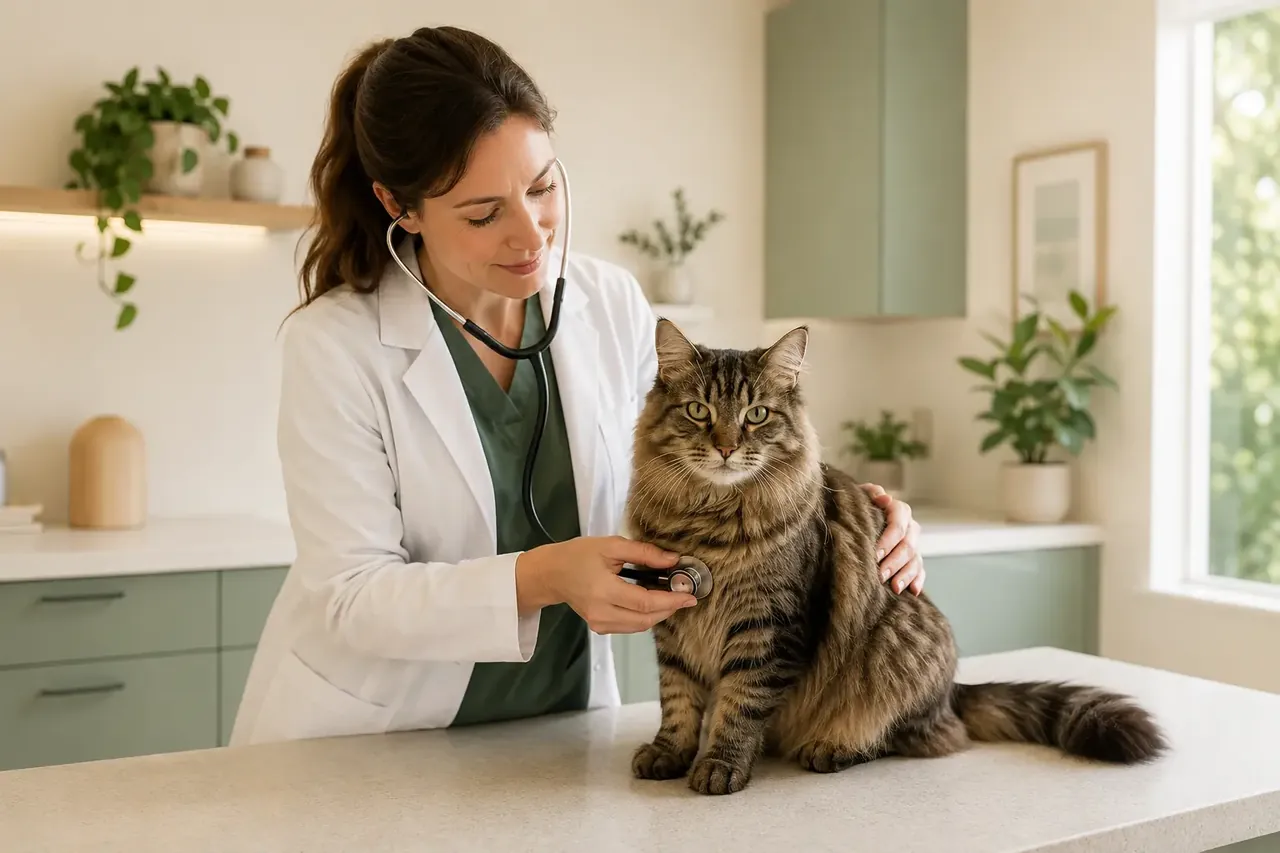 Topic illustration selected for this guide. Some learning images may be AI-assisted.
When a change in behavior matters — the quick answer
✓ Sudden changes deserve attention
✓ Eating and litter changes can be urgent
✓ A short written log helps your veterinarian
Cats often hide discomfort, so a change in ordinary behavior can be important. You know your cat's normal patterns better than anyone.
Watch ordinary habits
Note appetite, water intake, litter box use, sleep, grooming, movement and social behavior. One change may be minor; several changes together are more concerning.
Know urgent signs
Difficulty breathing, repeated straining to urinate, collapse, severe weakness, seizures or suspected poisoning require urgent veterinary help. A male cat repeatedly trying to urinate is an emergency.
Bring useful information
Record when the change started, how often it happens and what else changed. Photos or short videos can help when the behavior is difficult to reproduce at the clinic.
Use a same-day urgency screen
Seek urgent help for breathing difficulty, collapse, seizures, suspected poisoning, severe weakness or repeated straining with little or no urine. Call the clinic the same day when a cat stops eating, seems painful, cannot move normally or shows several changes together.
Bring a useful timeline
Write down the last time your cat seemed normal, what changed first and whether the pattern is constant or intermittent. Include appetite, water, litter-box output, sleep, grooming, jumping and social contact. A short safe video and exact medication list can make telephone triage and the appointment more efficient.
Your quick checklist
Your progress is saved on this device.
Three simple things you can do
You do not have to change everything today. Pick one step that feels realistic, try it and see how your cat responds.
- 1Note the date, frequency and context of each change.
- 2Track appetite, water, litter use, movement, grooming and social behavior together.
- 3Film a short episode when doing so is safe and does not delay urgent care.
Common mistakes
×Waiting for a dramatic symptom instead of noticing smaller changes from the cat’s normal routine.
×Changing several things at once, making it difficult to learn what actually helped.
×Treating general guidance as a substitute for advice from a veterinarian who knows the individual cat.
Questions cat people ask
How long should I wait before calling a veterinarian?+
Sudden or significant change warrants prompt advice. Breathing difficulty, collapse, seizures, poisoning or repeated straining to urinate require urgent help.
Can stress cause behavior changes?+
Yes, but pain and illness can look similar. It is safer to rule out medical causes before assuming a change is purely behavioral.
Still looking for the right answer?
Search the full EverYes Cats encyclopedia with your own words — a symptom, food, behaviour, breed or everyday question.
Checked, dated and transparent
- Prepared by
- EverYes Cats editorial team
- Last updated
- 8 August 2026
- Source checked
- 8 August 2026
- Primary reference
- Cornell Feline Health Center ↗
We begin with the named reference, rewrite the information in plain language and add practical cat-parent steps. Urgent health statements are checked against veterinary sources. This guide has not been individually reviewed by a veterinarian unless explicitly stated. It provides education, not diagnosis or treatment.
Spotted something unclear or outdated? Tell us so we can review it.
Your answer helps us improve the cat encyclopedia.
Compare clump size, frequency, color, thirst, diet and whether the box itself needs cleaning.