Do senior cats sleep more deeply?
Senior cats may sleep longer and more deeply, but a clear change in arousability, breathing, appetite or movement should not be dismissed as ageing. Compare the whole daily pattern.
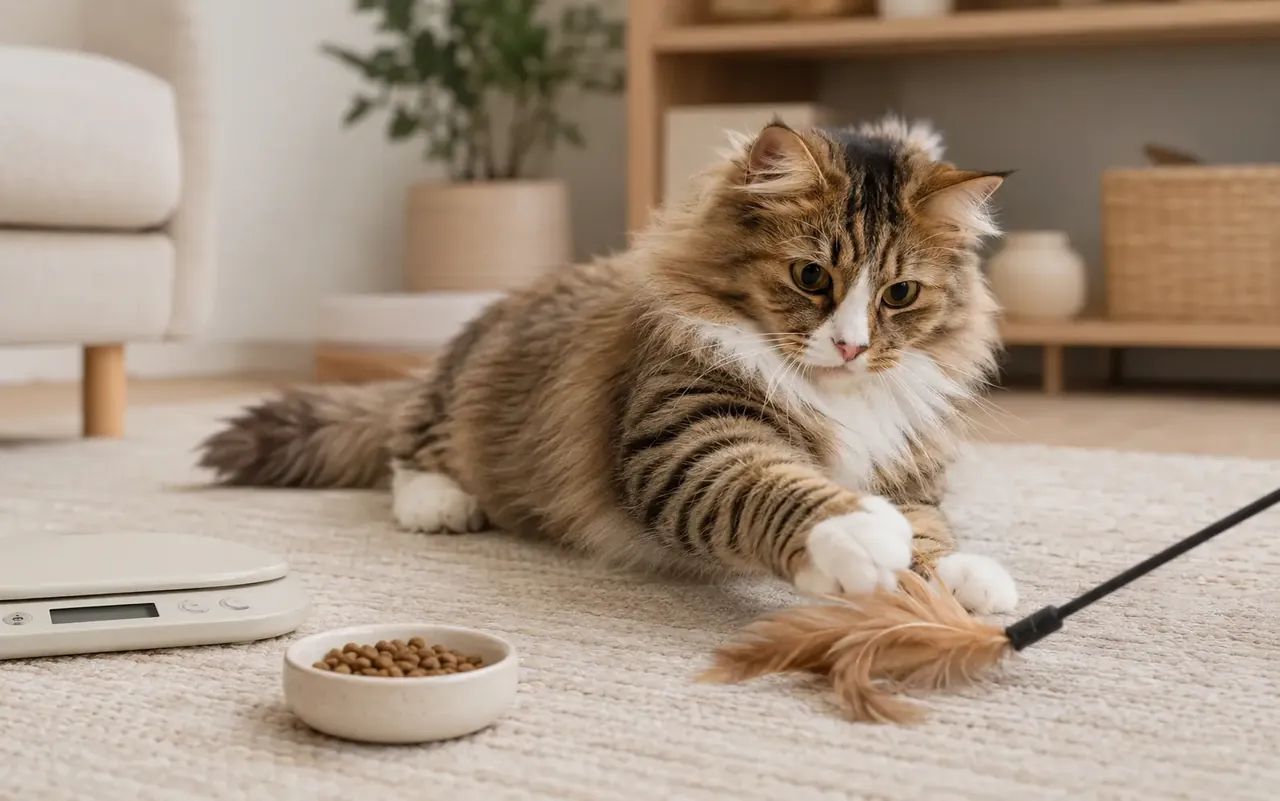 Topic illustration selected for this guide. Some learning images may be AI-assisted.
Do senior cats sleep more deeply — the quick answer
✓ Older cats may rest more, but owners should still be able to wake them normally
✓ Track sleep alongside appetite, grooming, mobility, litter use and social interest.
✓ Difficulty waking, weakness, confusion or a sudden sleep change needs veterinary assessment.
Older cats may rest more, but owners should still be able to wake them normally. Pain, sensory loss and illness can be mistaken for ordinary ageing.
The short answer
Older cats may rest more, but owners should still be able to wake them normally. Pain, sensory loss and illness can be mistaken for ordinary ageing.
What to observe first
Compare the moment with your cat’s usual pattern. Note timing, frequency, body language, appetite, litter-box use, mobility and any recent household change.
Why the setting matters
Pain, sensory loss and illness can be mistaken for ordinary ageing. One isolated detail rarely explains behaviour or health on its own, so look at the whole cat and the immediate environment.
What you can do
Track sleep alongside appetite, grooming, mobility, litter use and social interest.
A gentle way to test it
Make one small safe adjustment and give the cat time and choice. Avoid punishment, forced handling and several changes at once, because they make the response harder to understand.
When to contact a veterinarian
Difficulty waking, weakness, confusion or a sudden sleep change needs veterinary assessment.
Prepare useful information
Write down when it began and how often it occurs. A short video, clear photo, food record or litter record can help a veterinary professional assess a pattern that may not appear during the appointment.
Check recovery after waking
A comfortable senior should wake, orient, stretch and move in a recognisable way. Note confusion, stiffness, weakness, unusual vocalising or delayed return to normal activity. Film natural movement without startling the cat.
DEEPER GUIDE1 more detailed sectionsOpen +
Protect uninterrupted but observable rest
Provide warm low-entry beds in quiet places with easy routes to water and litter. Let sleeping cats wake naturally. Difficulty waking, collapse, abnormal breathing or seizure-like activity requires urgent veterinary advice.
Your quick checklist
Your progress is saved on this device.
Three simple things you can do
You do not have to change everything today. Pick one step that feels realistic, try it and see how your cat responds.
- 1Track sleep alongside appetite, mobility and interaction.
- 2Wake gently with voice or floor vibration.
- 3Provide warm accessible beds.
Common mistakes
×Assuming every change is normal aging.
×Startling the cat by touch.
×Overlooking weakness or confusion.
Questions cat people ask
Do senior cats sleep more deeply?+
Older cats often rest more, but individual sleep and sensory changes vary.
When does extra sleep need a check?+
Seek advice when it is new or paired with appetite loss, pain, weakness, weight change or reduced interaction.
Still looking for the right answer?
Search the full EverYes Cats encyclopedia with your own words — a symptom, food, behaviour, breed or everyday question.
Checked, dated and transparent
- Prepared by
- EverYes Cats editorial team
- Last updated
- 13 August 2026
- Source checked
- 13 August 2026
- Primary reference
- AAHA/AAFP Feline Life Stage Guidelines ↗
We begin with the named reference, rewrite the information in plain language and add practical cat-parent steps. Urgent health statements are checked against veterinary sources. This guide has not been individually reviewed by a veterinarian unless explicitly stated. It provides education, not diagnosis or treatment.
Spotted something unclear or outdated? Tell us so we can review it.
Your answer helps us improve the cat encyclopedia.
An occasional sudden wake-and-run can follow a dream, sound or touch. Repeated episodes with abnormal movement or confusion need veterinary assessment.