Why your cat sniffs your face
Breath and skin carry familiar scents that provide a close-range identity and routine check.
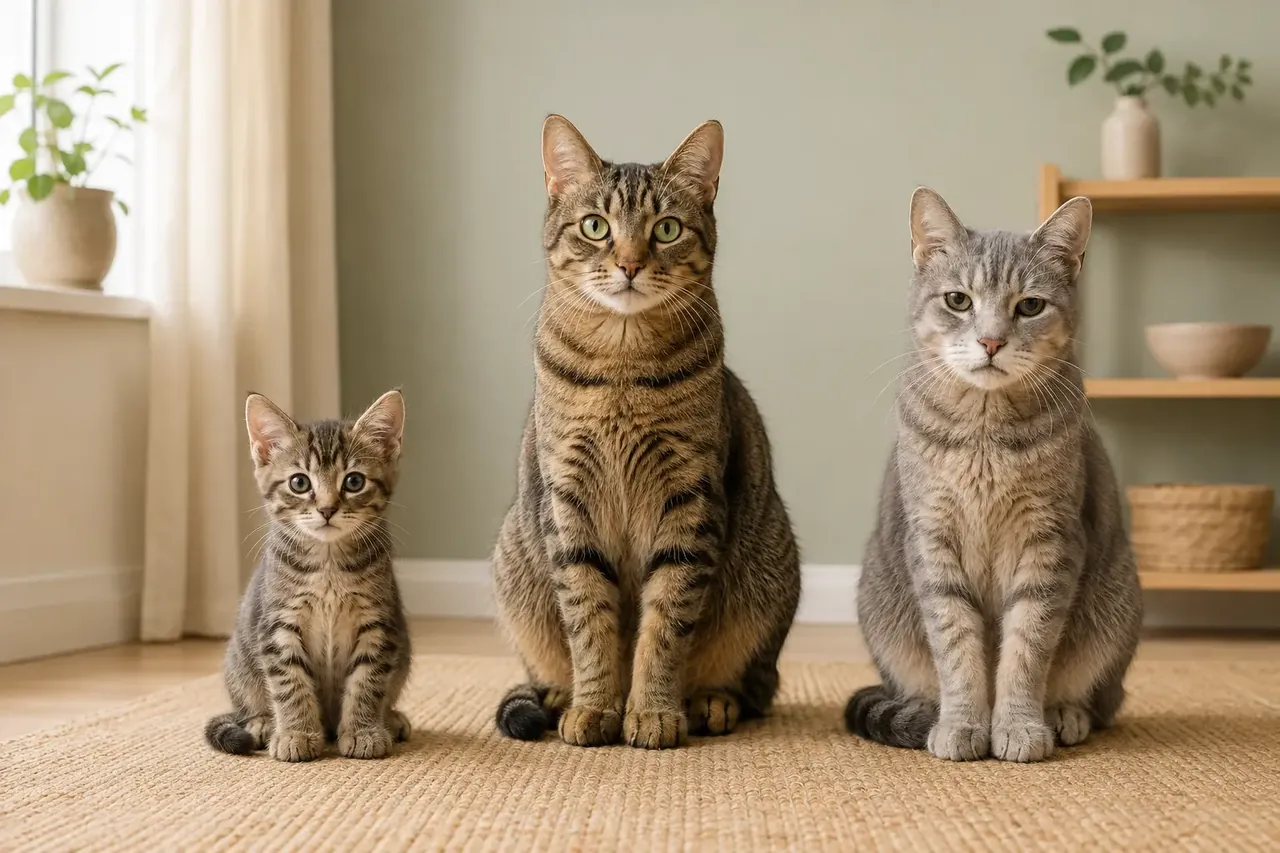 Topic illustration selected for this guide. Some learning images may be AI-assisted.
Why your cat sniffs your face — the quick answer
✓ Breath and skin carry familiar scents that provide a close-range identity and routine check.
✓ Stay still, avoid blowing toward the nose and let the cat choose distance.
✓ Sniffing paired with breathing effort is a health sign, not an ordinary greeting.
Breath and skin carry familiar scents that provide a close-range identity and routine check. Cats rely heavily on smell to recognise individuals and investigate social change. This guide keeps the fascinating detail while separating observation, evidence and internet exaggeration.
The quick fact
Breath and skin carry familiar scents that provide a close-range identity and routine check. It describes a common biological or behavioural pattern, not a guarantee about every individual cat. Genetics, age, health, learning and context can all change what you see.
Why it works that way
Cats rely heavily on smell to recognise individuals and investigate social change. Many odd-looking feline features become logical when we remember the cat's history as a small ambush hunter that must gather information quickly while also staying safe.
What it means at home
Stay still, avoid blowing toward the nose and let the cat choose distance. Observe without restraint and do not recreate a viral demonstration when it compromises comfort. A good fact should improve curiosity and care, not turn the cat into a prop.
Myth check
The most shareable version is often more absolute than the evidence. Avoid universal personality claims, suspiciously exact numbers and neat evolutionary stories unless a reliable source explains how the conclusion was reached.
What to notice
Sniffing paired with breathing effort is a health sign, not an ordinary greeting. Compare with your cat's established pattern and include appetite, drinking, litter use, movement, sleep and social behaviour when deciding whether something has genuinely changed.
When it becomes a health question
A fun fact should never explain away pain, breathing difficulty or sudden loss of normal function. Contact a veterinarian for a new, persistent or worsening change. Open-mouth breathing, collapse, seizures, major trauma or inability to urinate requires immediate help.
Your quick checklist
Your progress is saved on this device.
Three simple things you can do
You do not have to change everything today. Pick one step that feels realistic, try it and see how your cat responds.
- 1Observe your cat’s individual baseline.
- 2Make one gentle change at a time.
- 3Ask a qualified professional when health or safety is involved.
Common mistakes
×Waiting for a dramatic symptom instead of noticing smaller changes from the cat’s normal routine.
×Changing several things at once, making it difficult to learn what actually helped.
×Treating general guidance as a substitute for advice from a veterinarian who knows the individual cat.
Questions cat people ask
Does every cat follow the same rule?+
No. Age, health, history, temperament and environment all change what works for an individual.
When should I seek professional help?+
Seek veterinary advice for sudden, persistent or concerning changes and urgent help for breathing difficulty, collapse, seizures, poisoning or urinary obstruction signs.
Still looking for the right answer?
Search the full EverYes Cats encyclopedia with your own words — a symptom, food, behaviour, breed or everyday question.
Checked, dated and transparent
- Prepared by
- EverYes Cats editorial team
- Last updated
- 8 August 2026
- Source checked
- 8 August 2026
- Primary reference
- International Cat Care ↗
We begin with the named reference, rewrite the information in plain language and add practical cat-parent steps. Urgent health statements are checked against veterinary sources. This guide has not been individually reviewed by a veterinarian unless explicitly stated. It provides education, not diagnosis or treatment.
Spotted something unclear or outdated? Tell us so we can review it.
Your answer helps us improve the cat encyclopedia.
Eye shine comes from the tapetum lucidum, which reflects available light through the retina again.