Do cats dream?
Cats show sleep stages that include rapid eye movement and small twitches, making dreaming a reasonable scientific inference. We cannot know the exact images or story in a cat's dream from its movements or sounds.
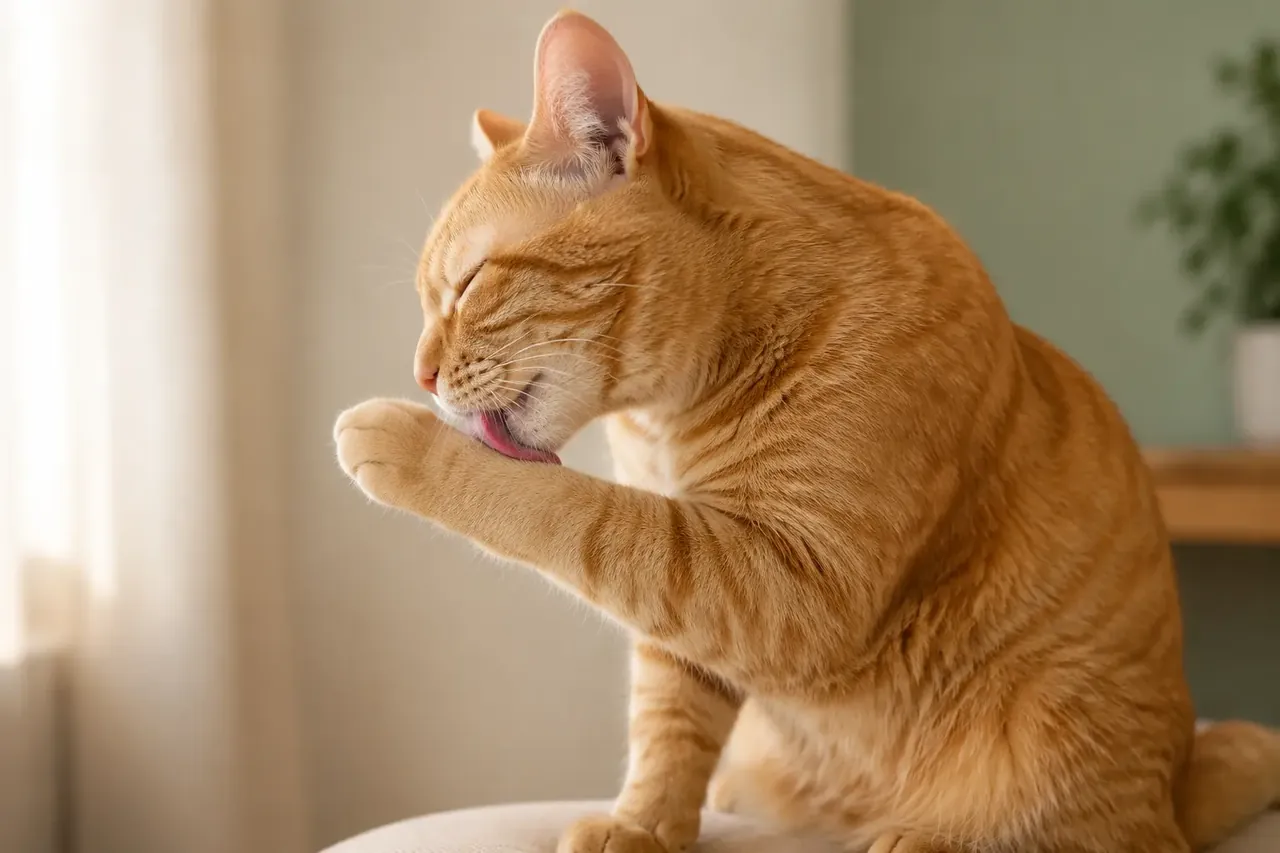
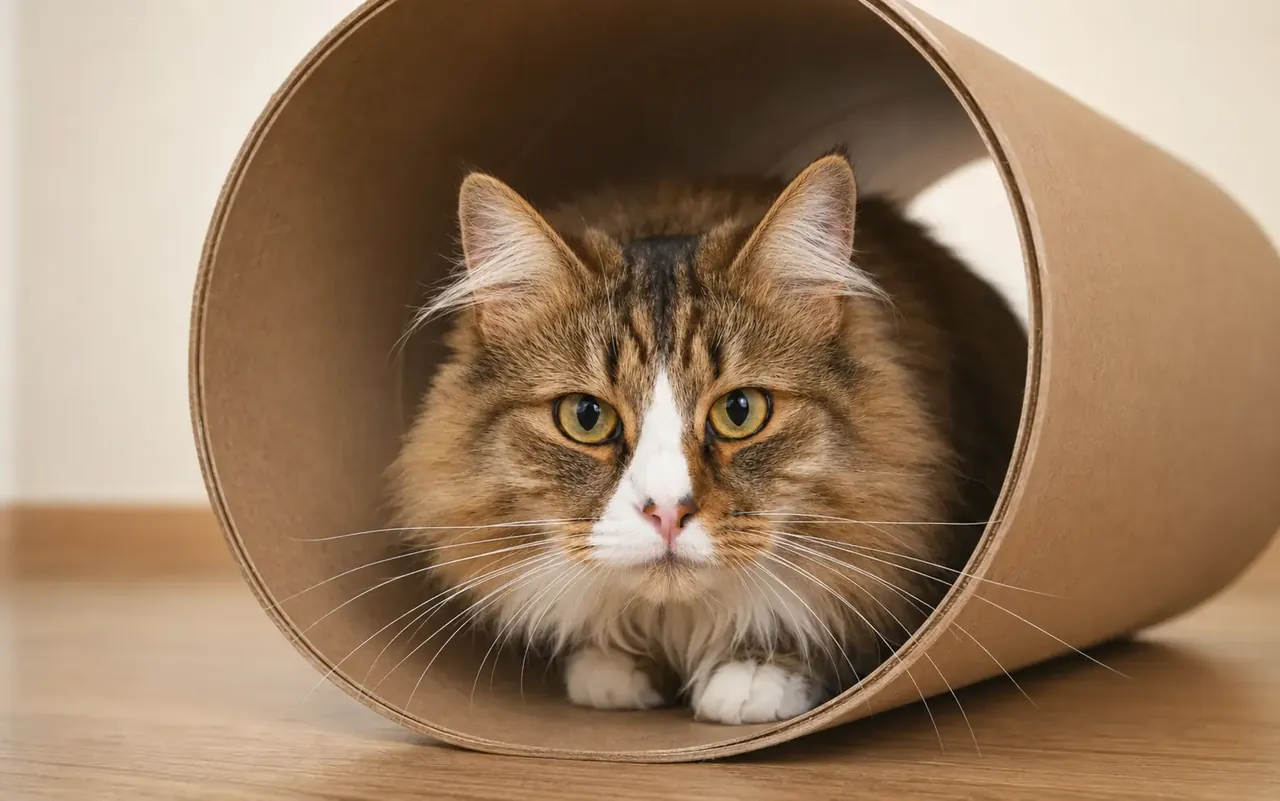 Topic illustration selected for this guide. Some learning images may be AI-assisted.
Do cats dream — the quick answer
✓ Cats experience REM sleep, the stage most strongly associated with vivid dreaming in people.
✓ Let sleeping cats wake naturally and provide quiet secure beds.
✓ Violent prolonged movements or confusion after waking deserves veterinary discussion.
Cats experience REM sleep, the stage most strongly associated with vivid dreaming in people. Brain activity and sleep behaviour make dreaming likely, although nobody can ask what the dream contained. This guide keeps the fascinating detail while separating observation, evidence and internet exaggeration.
What sleep research can show
During REM sleep, brain activity, eye movement and reduced muscle tone differ from quiet sleep. Small whisker, ear, paw or tail movements can occur as normal sleep physiology, supporting the inference that cats experience dream-like mental activity.
What normal sleep movement looks like
Brief irregular twitches occur while the body remains relaxed and breathing stays easy. The cat wakes normally, recognises its surroundings and returns to ordinary behaviour without a prolonged confused period.
Let sleeping cats sleep
Provide a secure bed where the cat will not roll from height. Avoid touching or startling a sleeping cat to test a dream. If waking is necessary, use a familiar voice or gentle environmental sound from a short distance.
What this does not prove
A chirp, paw movement or running motion cannot reveal that the cat is dreaming about birds, its owner or a past event. Human storytelling can be fun, but it should not replace careful observation when an episode looks abnormal.
When movement may be more than dreaming
Whole-body stiffening, repeated paddling, drooling, loss of bladder control, unresponsiveness, breathing change or prolonged confusion after waking needs urgent veterinary advice. Film and time a recurring episode if safe; never place hands near the mouth.
Your quick checklist
Loading saved progress…
Three simple things you can do
You do not have to change everything today. Pick one step that feels realistic, try it and see how your cat responds.
- 1Observe your cat’s individual baseline.
- 2Make one gentle change at a time.
- 3Ask a qualified professional when health or safety is involved.
Common mistakes
×Waiting for a dramatic symptom instead of noticing smaller changes from the cat’s normal routine.
×Changing several things at once, making it difficult to learn what actually helped.
×Treating general guidance as a substitute for advice from a veterinarian who knows the individual cat.
Questions cat people ask
Does every cat follow the same rule?+
No. Age, health, history, temperament and environment all change what works for an individual.
When should I seek professional help?+
Seek veterinary advice for sudden, persistent or concerning changes and urgent help for breathing difficulty, collapse, seizures, poisoning or urinary obstruction signs.
Still looking for the right answer?
Search the full EverYes Cats encyclopedia with your own words — a symptom, food, behaviour, breed or everyday question.
Checked, dated and transparent
- Prepared by
- EverYes Cats editorial team
- Last updated
- Source checked
- Primary reference
- Merck Veterinary Manual ↗
We begin with the named reference, rewrite the information in plain language and add practical cat-parent steps. Urgent health statements are checked against veterinary sources. This guide has not been individually reviewed by a veterinarian unless explicitly stated. It provides education, not diagnosis or treatment.
How we choose and use sources →
Spotted something unclear or outdated? Tell us so we can review it.
Loading your saved choice…
A cat's eyes can appear to glow because light reflects from the tapetum lucidum, a reflective layer behind the retina that helps the eye use dim light efficiently. The eye is reflecting available light, not producing its own.
 01
 02
 03
 04
 05