How retractable cat claws actually work
A cat does not pull each claw inward like a mechanical blade. Elastic ligaments normally hold the claw in a protected, lifted position, while tendons and muscles rotate it forward when the cat needs grip, defence, climbing or scratching.
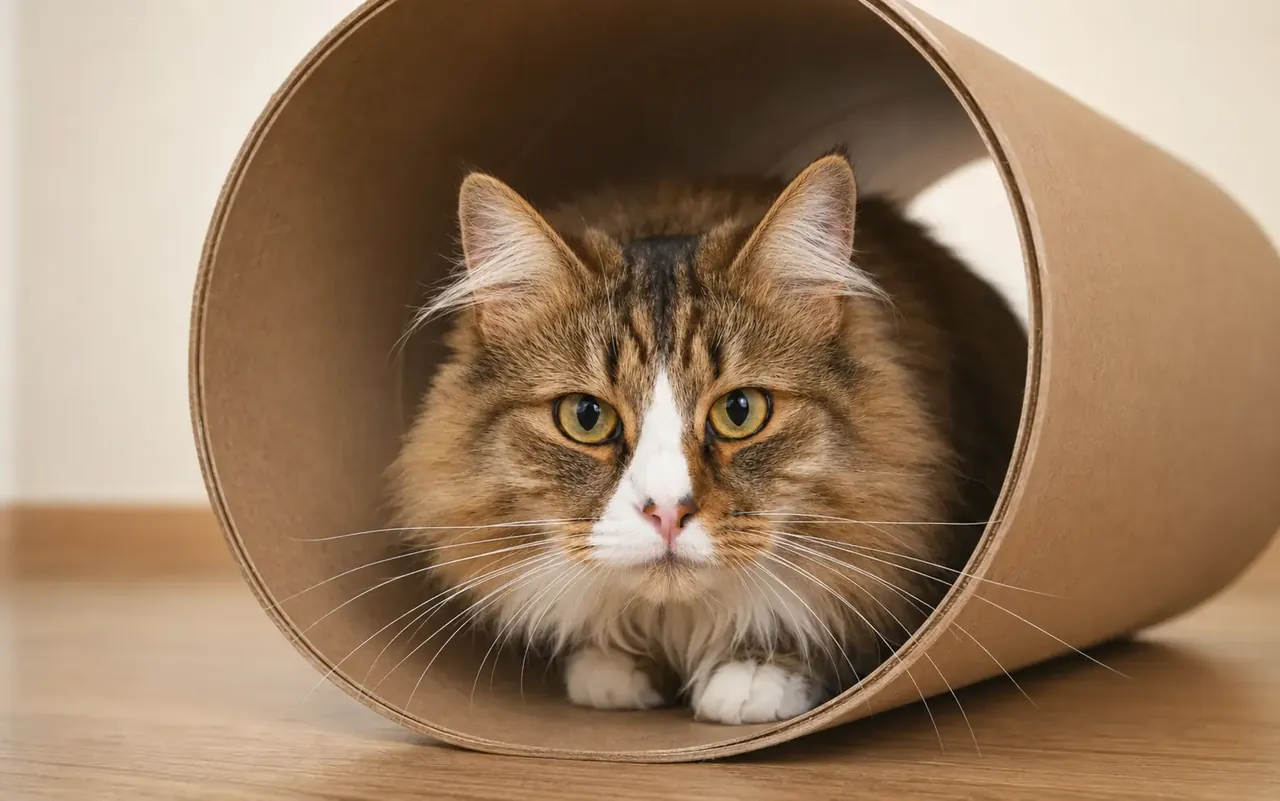
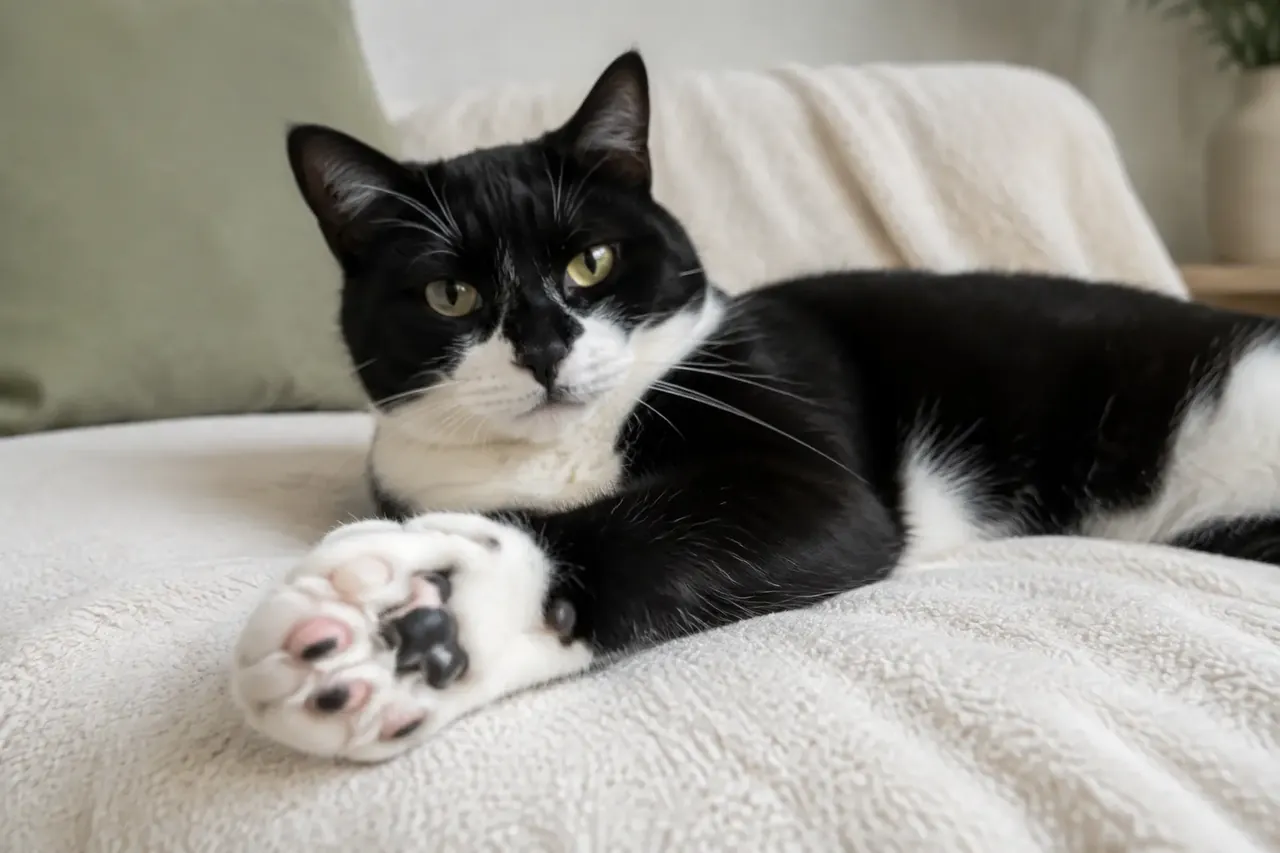 Topic illustration selected for this guide. Some learning images may be AI-assisted.
How retractable cat claws actually work — the quick answer
✓ Relaxed front claws sit lifted from the ground; flexor tendons extend them for climbing and gripping.
✓ Offer sturdy scratchers and check senior claws for overgrowth.
✓ A claw stuck out, entering the pad or causing limping needs prompt care.
Relaxed front claws sit lifted from the ground; flexor tendons extend them for climbing and gripping. Keeping claws off the floor reduces wear and preserves a sharp curved tip. This guide keeps the fascinating detail while separating observation, evidence and internet exaggeration.
How the claw moves
Each claw is attached to the final toe bone. At rest, the anatomy keeps it lifted and partly sheltered rather than flat against the ground. When the cat flexes the toe and activates the relevant tendons, the claw rotates outward.
Why claws are sometimes visible
Claws may extend during stretching, kneading, climbing, play, slipping or tense handling. Kittens may have less refined control, and older cats can have thicker claws or reduced ability to maintain them, so visibility alone needs context.
Scratching is essential behaviour
Scratching helps maintain the outer claw layers, stretches the body and leaves visual and scent marks. Provide stable vertical and horizontal scratchers near sleep areas and routes the cat already uses instead of punishing the behaviour.
Safe nail care
Check claws regularly, especially in indoor and senior cats. If trimming is needed, remove only the sharp transparent tip and avoid the pink quick. Work one or two claws at a time with rewards, or ask a veterinary professional to demonstrate.
Problems that need a veterinarian
Seek advice for a torn or bleeding claw, swelling, discharge, limping, persistent chewing, a claw growing into the pad or a claw that suddenly stays extended. Do not pull a snagged claw free by force.
Your quick checklist
Loading saved progress…
Three simple things you can do
You do not have to change everything today. Pick one step that feels realistic, try it and see how your cat responds.
- 1Observe your cat’s individual baseline.
- 2Make one gentle change at a time.
- 3Ask a qualified professional when health or safety is involved.
Common mistakes
×Waiting for a dramatic symptom instead of noticing smaller changes from the cat’s normal routine.
×Changing several things at once, making it difficult to learn what actually helped.
×Treating general guidance as a substitute for advice from a veterinarian who knows the individual cat.
Questions cat people ask
Does every cat follow the same rule?+
No. Age, health, history, temperament and environment all change what works for an individual.
When should I seek professional help?+
Seek veterinary advice for sudden, persistent or concerning changes and urgent help for breathing difficulty, collapse, seizures, poisoning or urinary obstruction signs.
Still looking for the right answer?
Search the full EverYes Cats encyclopedia with your own words — a symptom, food, behaviour, breed or everyday question.
Checked, dated and transparent
- Prepared by
- EverYes Cats editorial team
- Last updated
- Source checked
- Primary reference
- International Cat Care ↗
We begin with the named reference, rewrite the information in plain language and add practical cat-parent steps. Urgent health statements are checked against veterinary sources. This guide has not been individually reviewed by a veterinarian unless explicitly stated. It provides education, not diagnosis or treatment.
How we choose and use sources →
Spotted something unclear or outdated? Tell us so we can review it.
Loading your saved choice…
A cat's eyes can appear to glow because light reflects from the tapetum lucidum, a reflective layer behind the retina that helps the eye use dim light efficiently. The eye is reflecting available light, not producing its own.
 01
 02
 03
 04
 05