Can cats taste sweetness?
Cats have a very limited ability to detect sweetness because a key part of the usual mammalian sweet-taste receptor does not function in domestic cats. Interest in a sweet food is more likely driven by fat, protein, smell or texture.
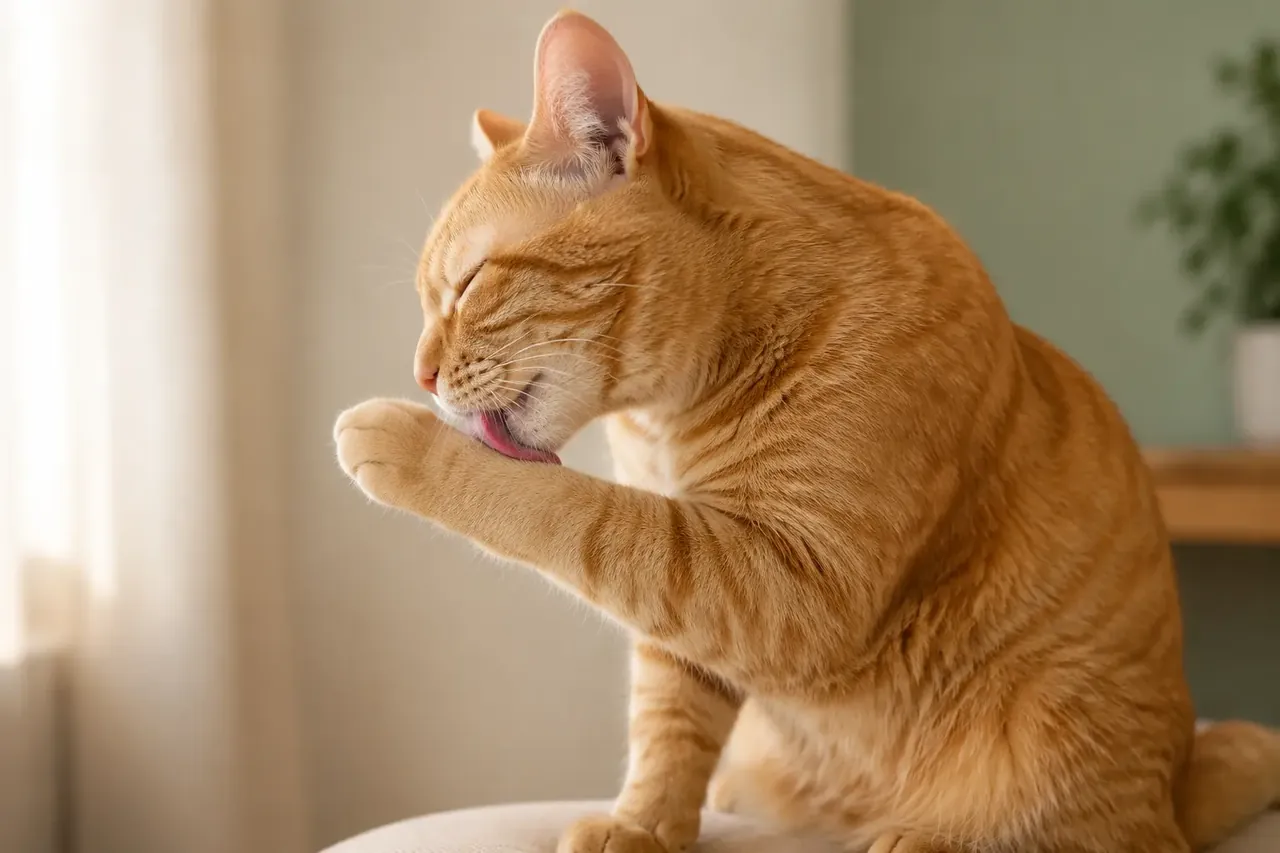 Topic illustration selected for this guide. Some learning images may be AI-assisted.
Can cats taste sweetness — the quick answer
✓ Cats do not experience sweetness as people do because a key part of their sweet-taste receptor is non-functional.
✓ A cat stealing cake may want its fat, dairy or texture—not its sugar.
✓ Appetite change matters more than preference for one flavour.
Cats do not experience sweetness as people do because a key part of their sweet-taste receptor is non-functional. Obligate carnivores evolved around animal-based foods, so sugar was not an important nutritional signal. This guide keeps the fascinating detail while separating observation, evidence and internet exaggeration.
Why sweetness works differently
Domestic cats are obligate carnivores and lack a functional version of one of the receptor components normally used to recognise sweet taste. That does not mean they have no sense of taste; they respond strongly to other flavour signals that matter in an animal-based diet.
Why a cat may still want dessert
Cream, cake and similar foods combine aromas, fats, dairy proteins and appealing textures. A cat approaching them is not proof that it experiences sugar as sweet in the human sense. Curiosity and learned access to people food also matter.
Do not run taste tests
There is no benefit in offering sugary foods to test this ability. Desserts may contain chocolate, alcohol, caffeine, raisins, xylitol or other unsuitable ingredients, while excess calories can contribute to weight gain and dental problems.
Choose food for feline needs
Use a complete cat food appropriate for the cat's life stage as the dietary base. Treats should remain a small part of daily calories, and human food should never replace a balanced feline diet.
When taste or appetite changes
A sudden loss of interest in familiar food, chewing difficulty, drooling, vomiting or reduced eating is not explained by the sweet receptor. Contact a veterinarian promptly, especially when a cat eats very little or nothing.
Your quick checklist
Loading saved progress…
Three simple things you can do
You do not have to change everything today. Pick one step that feels realistic, try it and see how your cat responds.
- 1Observe your cat’s individual baseline.
- 2Make one gentle change at a time.
- 3Ask a qualified professional when health or safety is involved.
Common mistakes
×Waiting for a dramatic symptom instead of noticing smaller changes from the cat’s normal routine.
×Changing several things at once, making it difficult to learn what actually helped.
×Treating general guidance as a substitute for advice from a veterinarian who knows the individual cat.
Questions cat people ask
Does every cat follow the same rule?+
No. Age, health, history, temperament and environment all change what works for an individual.
When should I seek professional help?+
Seek veterinary advice for sudden, persistent or concerning changes and urgent help for breathing difficulty, collapse, seizures, poisoning or urinary obstruction signs.
Still looking for the right answer?
Search the full EverYes Cats encyclopedia with your own words — a symptom, food, behaviour, breed or everyday question.
Checked, dated and transparent
- Prepared by
- EverYes Cats editorial team
- Last updated
- Source checked
- Primary reference
- Merck Veterinary Manual ↗
We begin with the named reference, rewrite the information in plain language and add practical cat-parent steps. Urgent health statements are checked against veterinary sources. This guide has not been individually reviewed by a veterinarian unless explicitly stated. It provides education, not diagnosis or treatment.
How we choose and use sources →
Spotted something unclear or outdated? Tell us so we can review it.
Loading your saved choice…
A cat's vertical slit pupils can narrow dramatically in bright light and open wide in dim light, helping regulate how much light reaches the retina. Pupil shape is useful for vision, but it is not a stand-alone mood indicator.
 01
 02
 04
 05