Why do cats make the ‘ek ek ek’ sound?
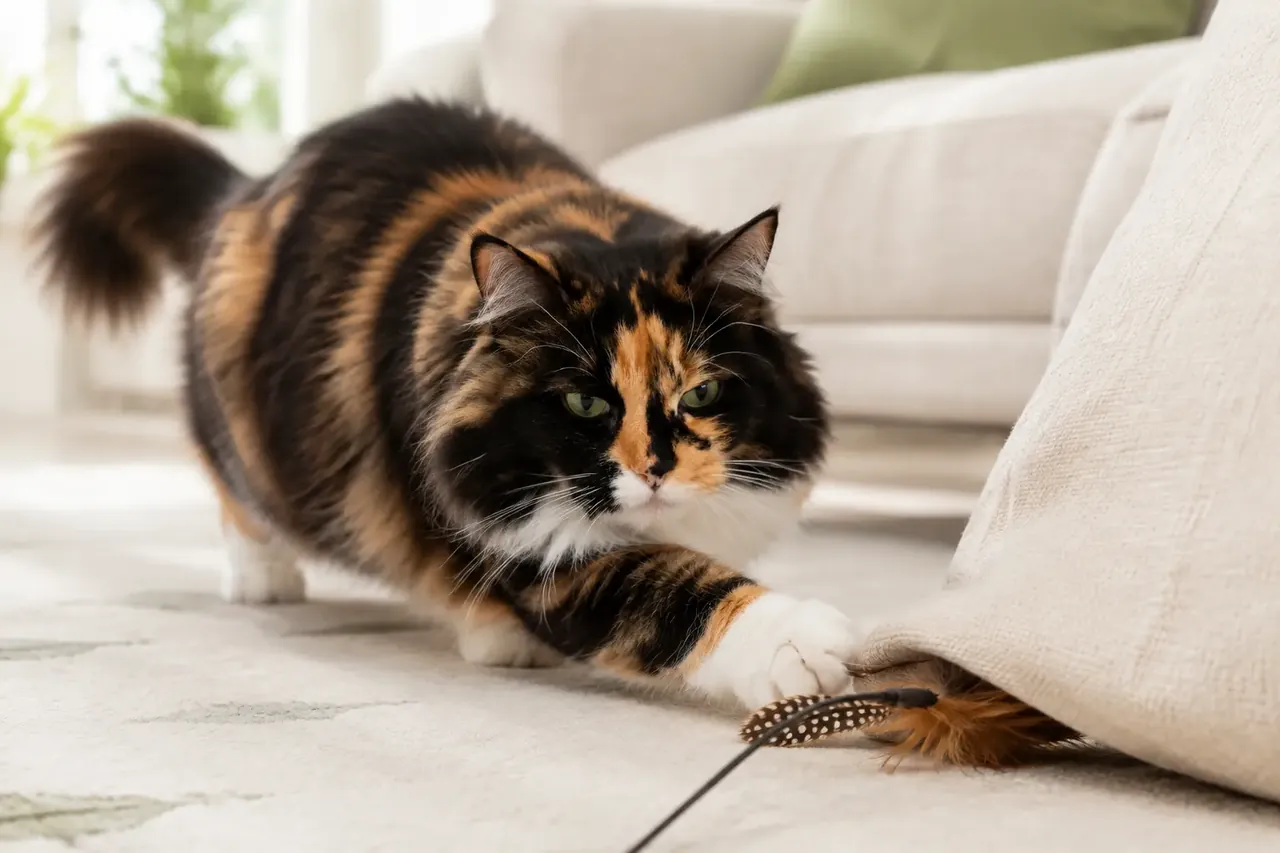
The rapid ‘ek-ek-ek’ or chattering sound often appears when a cat watches prey it cannot reach. Context and relaxed recovery matter more than one sound in isolation.
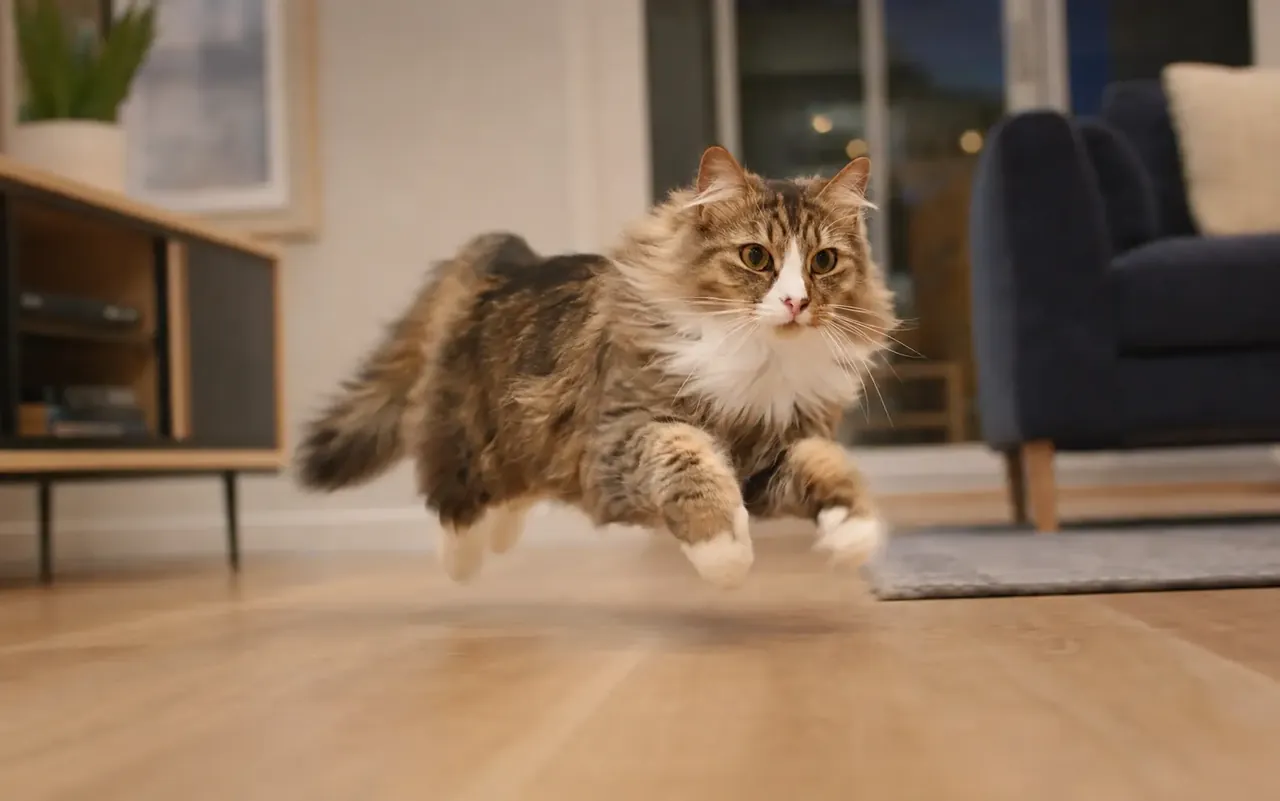 Topic illustration selected for this guide. Some learning images may be AI-assisted.
Why do cats make the ‘ek ek ek’ sound — the quick answer
✓ The rapid chattering sound often appears when a cat watches birds or other inaccessible prey.
✓ Secure the window and follow observation with a catchable wand-toy game.
✓ Jaw movements away from prey with drooling or eating difficulty may indicate oral pain.
The rapid chattering sound often appears when a cat watches birds or other inaccessible prey. It likely reflects high hunting arousal, though no single explanation has been proven. The useful answer comes from the whole situation—not one pose, sound or viral claim.
Recognise the common pattern
Many cats chatter while focused on a bird, insect or moving object beyond a window. The jaw moves rapidly, attention is intense and the cat usually returns to normal when the target disappears. The exact emotional mix cannot be read from sound alone.
Read the whole body
Note ears, tail, crouch, pupil size, breathing and recovery. Focused hunting arousal differs from a cat that is distressed, painful, confused or unable to settle. Do not tap windows or tease the cat to create the sound for filming.
Make window watching safer
Secure screens and prevent falls, close gaps and position perches so the cat can step down safely. Redirect prolonged frustration with a short hunt-style toy session and an allowed catch, then store string toys after supervision.
Separate chatter from mouth problems
Jaw trembling during eating, drooling, bad breath, food dropping, pawing at the mouth or difficulty chewing is not ordinary prey chatter. Record when it happens and arrange a dental or veterinary assessment.
Escalate abnormal episodes
Seek advice for a new repetitive jaw movement without a visible trigger, especially with pain, appetite change or altered awareness. Collapse, seizure-like activity, breathing difficulty or inability to swallow requires urgent care.
Your quick checklist
Loading saved progress…
Three simple things you can do
You do not have to change everything today. Pick one step that feels realistic, try it and see how your cat responds.
- 1Observe your cat’s individual baseline.
- 2Make one gentle change at a time.
- 3Ask a qualified professional when health or safety is involved.
Common mistakes
×Waiting for a dramatic symptom instead of noticing smaller changes from the cat’s normal routine.
×Changing several things at once, making it difficult to learn what actually helped.
×Treating general guidance as a substitute for advice from a veterinarian who knows the individual cat.
Questions cat people ask
Does every cat follow the same rule?+
No. Age, health, history, temperament and environment all change what works for an individual.
When should I seek professional help?+
Seek veterinary advice for sudden, persistent or concerning changes and urgent help for breathing difficulty, collapse, seizures, poisoning or urinary obstruction signs.
Still looking for the right answer?
Search the full EverYes Cats encyclopedia with your own words — a symptom, food, behaviour, breed or everyday question.
Checked, dated and transparent
- Prepared by
- EverYes Cats editorial team
- Last updated
- Source checked
- Primary reference
- International Cat Care ↗
We begin with the named reference, rewrite the information in plain language and add practical cat-parent steps. Urgent health statements are checked against veterinary sources. This guide has not been individually reviewed by a veterinarian unless explicitly stated. It provides education, not diagnosis or treatment.
How we choose and use sources →
Spotted something unclear or outdated? Tell us so we can review it.
Loading your saved choice…
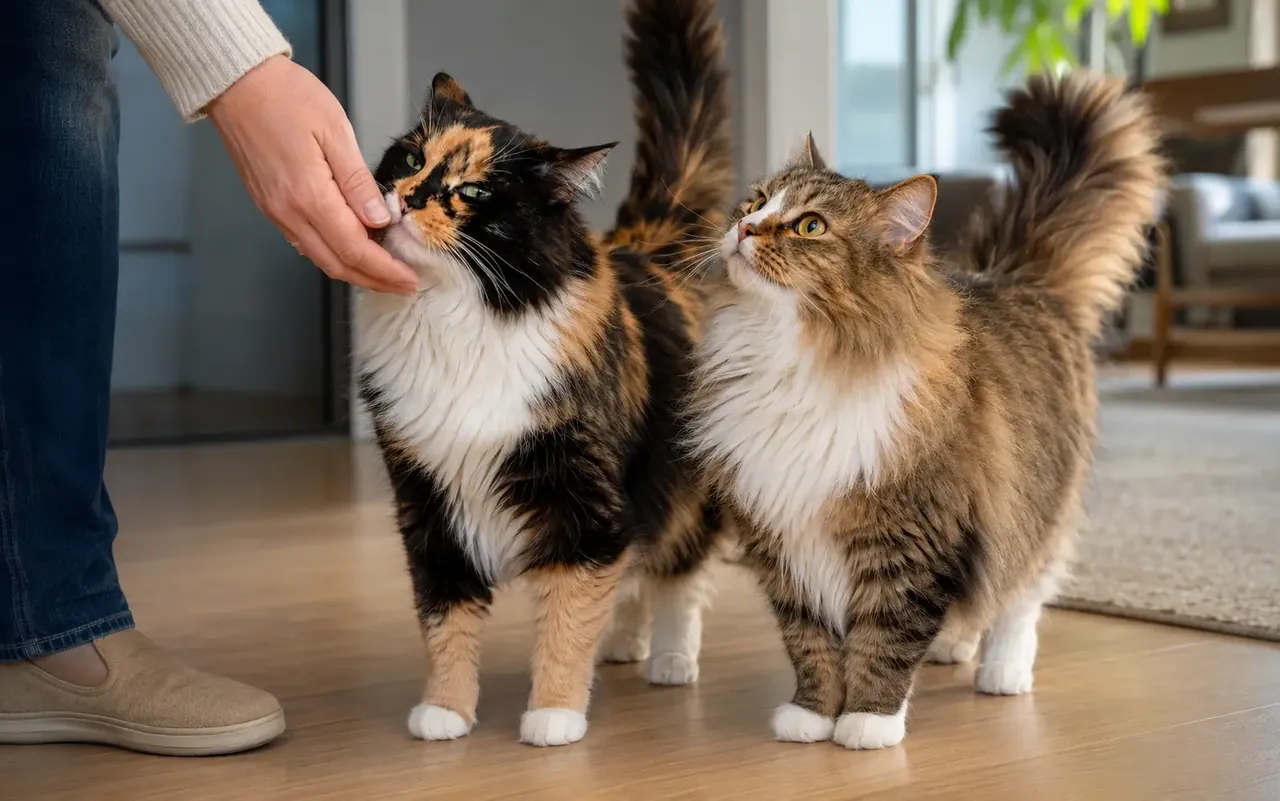
A cat may place a paw on you to seek contact, steady the body, pause your hand or ask for something. The rest of the posture shows whether to continue or give space.
 01
 02
 03
 04
 05