Why does my cat sleep near my head?
The pillow area is warm, relatively still and rich in familiar scent, so some cats choose to sleep near a person's head. It can fit social comfort, but the safest arrangement protects breathing and sleep and lets the cat leave freely.
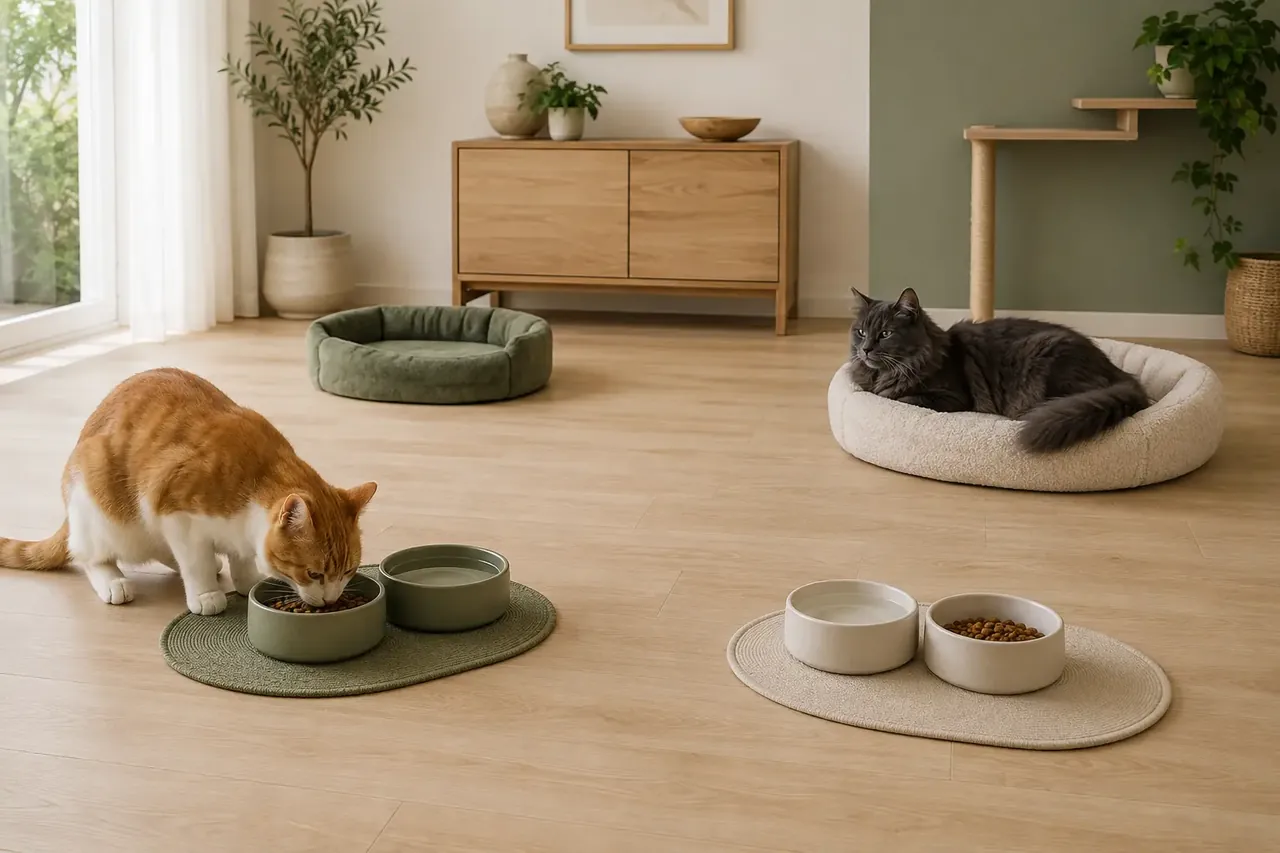
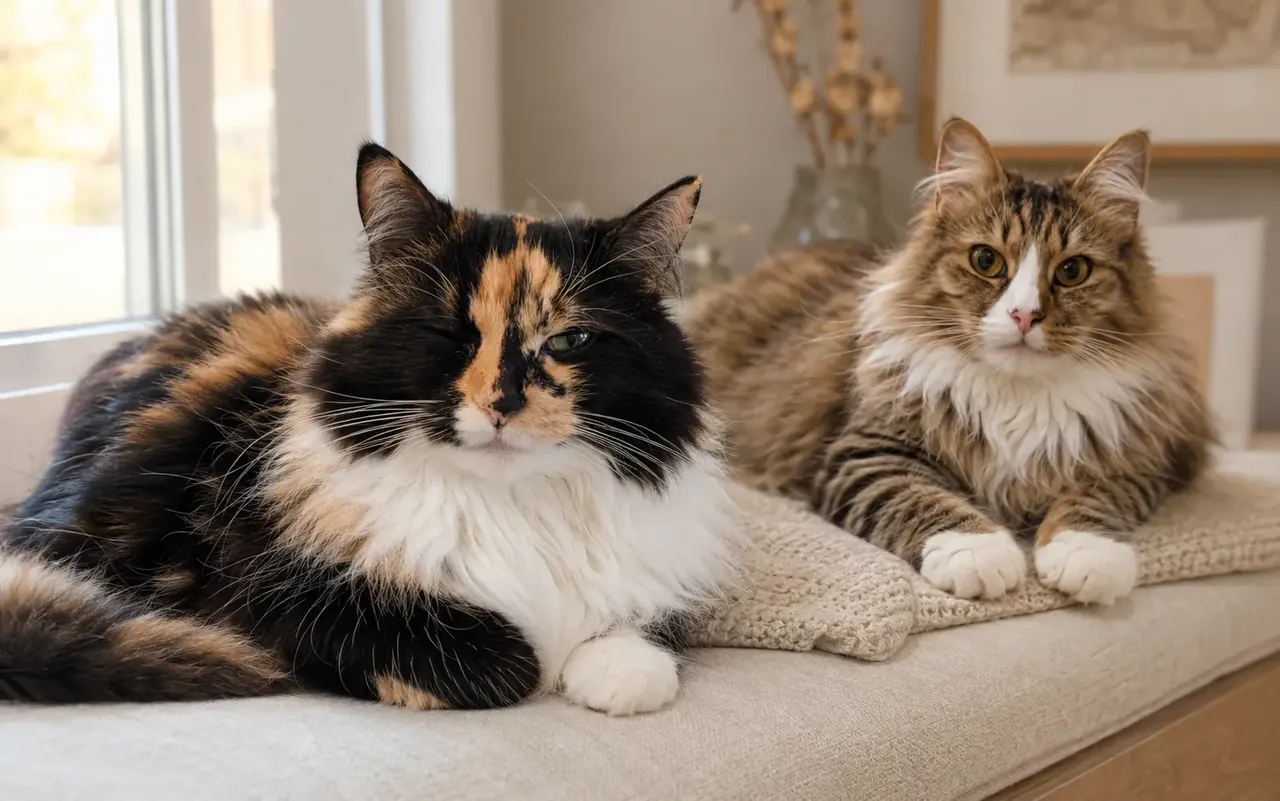 Topic illustration selected for this guide. Some learning images may be AI-assisted.
Why does my cat sleep near my head — the quick answer
✓ Your head is warm, relatively still and carries a strongly familiar scent.
✓ Offer a warm bed beside your pillow if sharing the same space disrupts sleep.
✓ Restlessness, inability to settle or suddenly seeking unusual warmth can accompany discomfort.
Your head is warm, relatively still and carries a strongly familiar scent. A cat may choose it because it feels secure and is less likely to move than feet under a duvet. Here is the useful version of the answer: what the behaviour may mean, what it does not prove and when it stops being just a fun cat fact.
Why the head area appeals
Your head and pillow retain warmth and familiar scent, and they may move less than feet beneath a duvet. The position can also offer closeness without being enclosed by arms. Individual habit matters; it is not evidence of dominance or a fixed household rank.
Read the whole resting posture
A loose body, quiet breathing, normal repositioning and easy waking fit ordinary comfortable sleep. Let the cat move away without treating it as rejection. Sudden inability to settle, persistent heat-seeking or new clinginess is more meaningful when other routines change too.
Create a comfortable alternative
Place a warm, stable bed beside the pillow or at a nearby height and reward voluntary use before bedtime. Move calmly before the cat is deeply settled instead of pushing or startling it. Keep cords, hair products, topical medicines and small bedside objects inaccessible.
Know when sharing is not appropriate
Cats must not enter an infant's sleep space. A separate arrangement may also be necessary for allergies, breathing conditions, reduced mobility or anyone unable to reposition safely. Never trap a cat beneath bedding or use an unregulated heat source to keep it beside the bed.
Check a sudden sleep change
Seek veterinary advice for new persistent restlessness, unusual heat-seeking, breathing noise, reduced activity, weight change or pain. Open-mouth breathing, marked breathing effort, blue-grey or very pale gums, collapse or difficulty waking requires urgent care.
Your quick checklist
Loading saved progress…
Three simple things you can do
You do not have to change everything today. Pick one step that feels realistic, try it and see how your cat responds.
- 1Check that the cat is relaxed and that both of you can move and breathe comfortably.
- 2Place a warm stable bed beside the pillow if you need more sleeping space.
- 3Keep hair products and topical medicines away from the cat's coat, paws and mouth.
Common mistakes
×Assuming the position establishes dominance or a fixed family rank.
×Pushing or startling a sleeping cat instead of creating an appealing alternative.
×Ignoring a sudden strong drive to seek heat when it appears with illness or behaviour change.
Questions cat people ask
Why my head instead of my feet?+
The pillow area is warm, carries a familiar scent and often moves less than feet beneath bedding. Individual comfort still matters most.
Is it safe to let a cat sleep by my face?+
Many healthy adults are comfortable with it, but personal allergies, sleep quality, infant safety and medical circumstances can change the answer. The cat must always be able to leave.
Still looking for the right answer?
Search the full EverYes Cats encyclopedia with your own words — a symptom, food, behaviour, breed or everyday question.
Checked, dated and transparent
- Prepared by
- EverYes Cats editorial team
- Last updated
- Source checked
- Primary reference
- FelineVMA: Environmental Needs Guidelines ↗
We begin with the named reference, rewrite the information in plain language and add practical cat-parent steps. Urgent health statements are checked against veterinary sources. This guide has not been individually reviewed by a veterinarian unless explicitly stated. It provides education, not diagnosis or treatment.
How we choose and use sources →
Spotted something unclear or outdated? Tell us so we can review it.
Loading your saved choice…
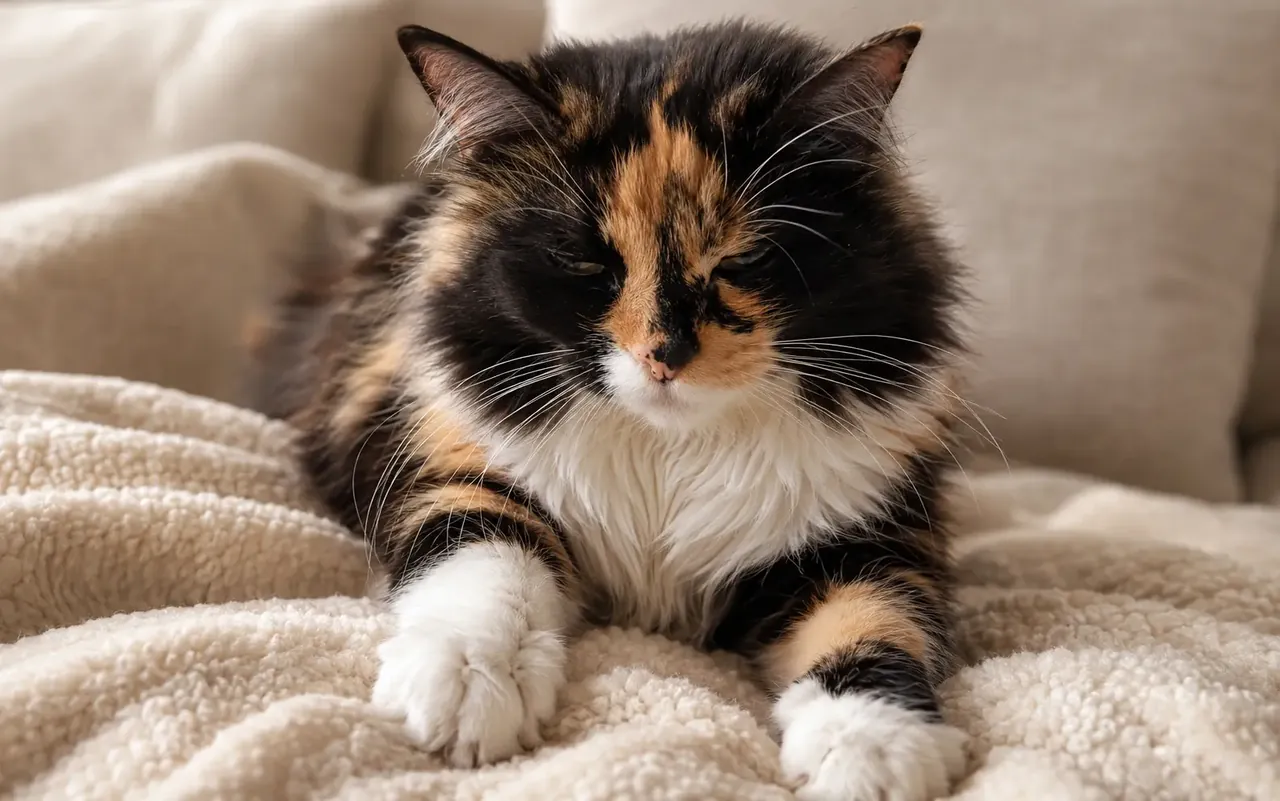
Curling into a ball helps a cat conserve warmth and protect the belly. A familiar loose curl is normal; a tense, fixed hunch with pain or illness signs is different.
 01
 02
 03
 05
 06