Portable litter boxes for cat travel
A travel toilet must be accessible, familiar and contained without encouraging escape.
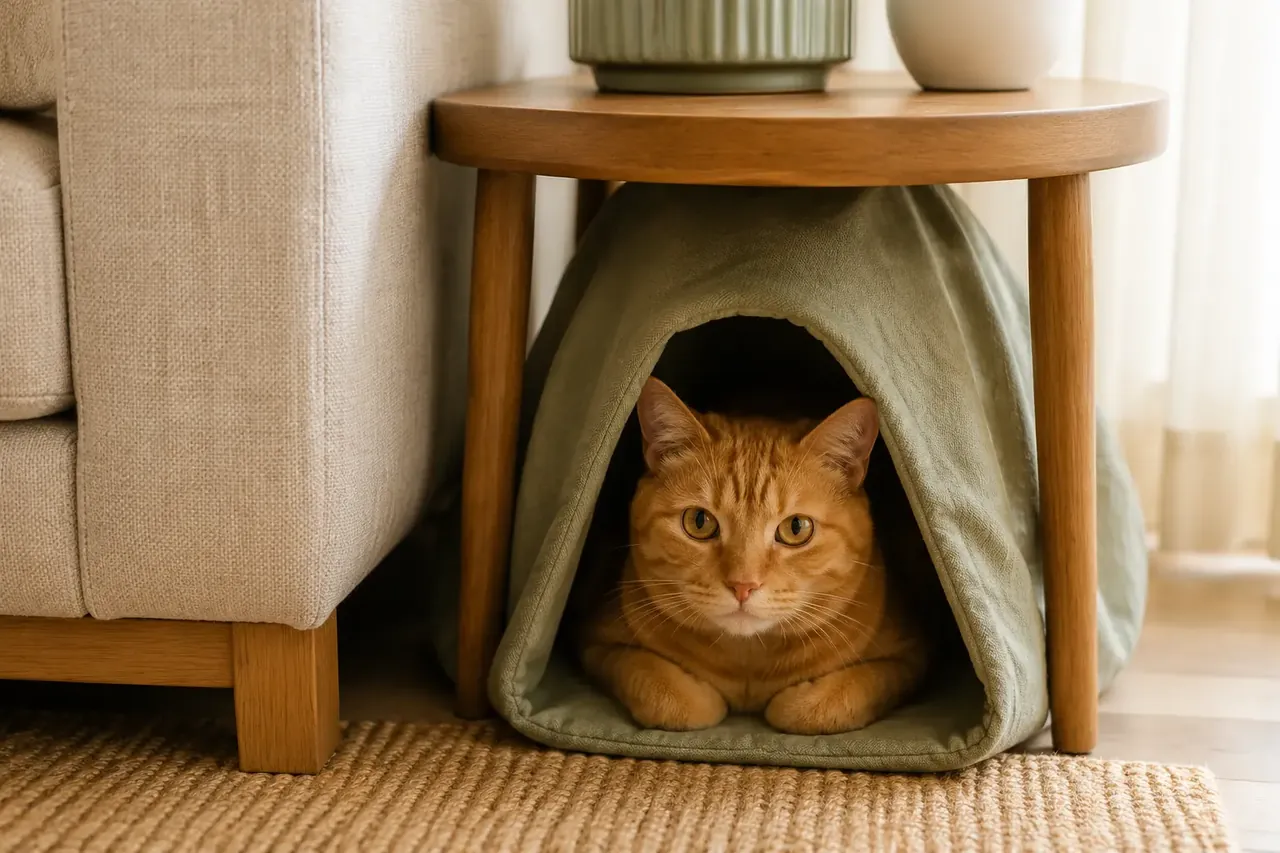 Topic illustration selected for this guide. Some learning images may be AI-assisted.
Portable litter boxes for cat travel — the quick answer
✓ Choose a stable washable tray, pack the cat's familiar unscented litter and bring waste bags and cleaning supplies.
✓ Offer the box only inside a fully secure room or stopped closed vehicle when appropriate.
✓ Straining, blood, repeated unsuccessful attempts or no urine requires urgent veterinary help.
A travel toilet must be accessible, familiar and contained without encouraging escape. This guide explains how to reduce the risk, prepare the household, respond safely and recognize when the cat needs urgent professional care.
Why this deserves a plan
A travel toilet must be accessible, familiar and contained without encouraging escape. Cats explore quietly, fit into small spaces and often investigate with paws and mouths. A hazard may be harmless until a door moves, a product spills or nobody can find the cat. Prevention should therefore be built into the household routine instead of depending on perfect supervision.
Make the safe choice the easy choice
Choose a stable washable tray, pack the cat's familiar unscented litter and bring waste bags and cleaning supplies. Put the safest option where people naturally need it. A closed cupboard, visible reminder, lidded container or carrier beside an exit works better than a rule everyone must remember during a rushed moment. Review the setup with children, visitors and anyone who provides care.
A practical step-by-step routine
Offer the box only inside a fully secure room or stopped closed vehicle when appropriate. Slow the sequence down until every step can be checked. When several cats live together, confirm each individual rather than counting movement in the room. Write down the routine if another person may need to perform it during travel, illness or an emergency.
What not to do
Do not open the carrier outdoors or introduce a strongly scented new litter during the trip. Do not improvise with unverified online remedies, punishment or products designed for another species. Moving faster is rarely safer when a cat may be hidden, exposed or frightened. Stop, contain other animals and obtain product-specific professional advice when the situation is uncertain.
Know the urgent threshold
Straining, blood, repeated unsuccessful attempts or no urine requires urgent veterinary help. Cats may look deceptively normal early in poisoning, internal injury or respiratory distress. Call before symptoms become dramatic. Keep the product, plant name, photograph, time, estimated amount and the cat's weight available. Never delay an emergency call because you feel embarrassed about how exposure happened.
See the room from cat height
Kneel and look beneath furniture, behind appliances and along climbing routes. Notice loops, gaps, warm cavities, unstable objects and small pieces that disappear against the floor. Then look upward: shelves, windows, plants and cords may become reachable through a chair or curtain. Repeat the inspection after furniture moves or the cat learns a new skill.
Use layers, not one perfect barrier
Good safety rarely depends on a single lock or instruction. Combine secure storage with a closed room, identification with careful door routines, and a carrier with rehearsed loading. If one layer fails, another buys time. This is particularly important in busy households, multi-cat homes and periods involving guests, contractors or disrupted routines.
Train before you need the skill
Carrier entry, going to a station, accepting brief handling and settling in a safe room can all be taught with small rewards. Practise when nothing frightening is happening. A cat who has only seen the carrier before unpleasant trips is harder to move quickly. Training should preserve choice and never imitate an emergency by chasing or grabbing.
DEEPER GUIDE22 more detailed sectionsOpen +
Identification is part of prevention
A microchip is permanent identification, not GPS, and it works only when registration details are current. Keep recent photographs that show face, body and unique markings. A safe breakaway collar may add visible information for some cats. Save the chip number and registry contact where another caregiver can find them quickly.
Prepare the carrier
Use one secure carrier per cat whenever possible. Check doors, clips, ventilation and the base before each use. Label it with the cat and owner details without exposing unnecessary private information. Keep familiar washable bedding nearby. Never store the carrier behind heavy boxes when it may be needed during fire, illness or evacuation.
Build a useful information kit
Keep the veterinarian, emergency clinic, poison service, microchip registry and trusted caregiver contacts in your phone and on paper. Add current medication, allergies, diagnoses and feeding instructions. Internet access and battery power can fail. A short accurate card is more useful under pressure than a long document nobody can locate.
Make every caregiver capable
Walk another adult through the hazard and the response. Show where the carrier, records and cleaning supplies are stored. Agree who calls the clinic, who contains other pets and who handles transport. Children should alert an adult rather than retrieve a frightened or injured cat. Clear roles reduce delay and prevent several people from giving conflicting help.
Multi-cat households need individual checks
One cat may be bold while another hides inside furniture or behind luggage. Count cats by name before operating equipment, opening external doors or leaving a location. Use separate carriers and enough resources during confinement. Stress can change relationships, so do not force frightened cats together in one small enclosure unless emergency responders direct otherwise.
Kittens change the risk map
Kittens climb farther, squeeze through smaller gaps and taste objects an adult ignored. Recheck safety each week during rapid growth. Block appliance access, secure cords and remove tiny objects, but also provide legal climbing, scratching and play. Curiosity needs an outlet; an empty room without enrichment is not a complete safety plan.
Senior and disabled cats
Reduced vision, hearing, balance or mobility can make familiar stairs, heat sources and box entrances unsafe. Add non-slip paths, low resting places and easy carrier access. Never assume confusion or reluctance is simply old age. A new change can indicate pain or illness, and the veterinary team can help adapt both treatment and the home.
After visitors or household work
Deliveries, cleaning, repairs and celebrations leave small changes: a door unlatched, cord moved, pill dropped or plant placed on a table. Complete a short reset before releasing the cat from a safe room. Count tools and packaging, inspect floors, restore barriers and ask whether any product was used where paws or fur could contact it.
Keep products identifiable
Leave medicines, chemicals and plant-care products in original labeled packaging. Photograph labels before travel and do not decant substances into food or drink containers. In a possible poisoning, the exact ingredient and concentration can change professional advice. A vague description such as cleaner or flea product is much less useful than the complete label.
Why home remedies can make things worse
Inducing vomiting, offering milk, applying oil or using human medication may delay treatment or cause additional injury. Some substances damage the throat again when vomited; some cats cannot safely vomit at all. Call a veterinarian or qualified poison service for instructions tailored to the substance, amount, timing and individual cat.
Transport without creating a second emergency
Contain the cat before opening an external door. Secure the carrier so it cannot slide and keep the vehicle comfortably ventilated. Phone ahead when possible. Do not hold an injured or poisoned cat loose in the car; fear and pain can trigger escape or a bite. Bring packaging, records and medication with you.
Document what happened
Write the time, possible amount, first sign and actions already taken. Photograph the scene if it is safe. Note eating, drinking, urine, stool, breathing and behavior. This record reduces guessing and prevents duplicated treatment. It is also useful afterward when you redesign the environment so the same route of exposure cannot recur.
Review the plan every three months
Test locks, screens, carrier doors, emergency lighting and stored contact numbers. Replace expired supplies and update weight, medication and microchip details. Seasonal decorating, heating, gardening and travel create different hazards. A short recurring review is more reliable than a large one-time safety project that slowly becomes outdated.
Common mistake: relying on the cat's past behavior
A cat who ignored a cord, plant or open door for years may investigate it after stress, boredom, illness or a change in location. Past restraint is not a safety barrier. Remove or secure hazards based on what could happen, while still respecting the cat's real preferences and avoiding an unnecessarily barren environment.
Common mistake: hiding risk without removing it
A plant on a high shelf, medicine in a handbag or chemical behind a light cupboard door may still be reachable. Cats climb, bags fall and doors remain open. Use genuinely inaccessible storage or remove the item. Recheck from multiple routes rather than judging distance from the floor alone.
Common mistake: waiting for visible symptoms
Some injuries and toxins cause delayed signs. Early professional advice may allow safer, more effective action than waiting. If exposure is plausible, call and let a qualified professional decide the urgency. The absence of vomiting, crying or collapse does not prove that the cat is unharmed.
Create a calm containment zone
Choose one room that can quickly become a secure base during repairs, deliveries, severe weather or a medical problem. It should have a closing door, screened ventilation, water, litter, familiar bedding and a hiding option that still lets you reach the cat. Remove chemicals, cords, breakable objects and furniture cavities before the room is needed. Keep a note on the outside so nobody opens the door casually. Introduce the room during ordinary days with food, play and rest. Containment should feel predictable, not like punishment. During an incident, move slowly, lower noise and separate unfamiliar people or animals. Check the cat physically rather than assuming silence means they are inside. A useful safe room reduces escape risk while giving you time to assess the situation, make calls and prepare transport without chasing a frightened cat through the home.
Practise a two-minute household drill
A short drill exposes gaps that a written plan can miss. Without frightening the cat, ask: can one person locate every cat, close external exits, collect the carrier and find the emergency card within two minutes? Do not sound alarms or stage a fake injury. Simply walk through the quiet sequence. Notice blocked storage, missing carrier clips, outdated telephone numbers and doors that do not latch. In a multi-person home, repeat with different people leading. A pet sitter should know the same route. Finish with a reward and return the house to normal. Repeat every few months and after moving furniture, changing caregivers or adding a pet. The goal is not speed at any cost. It is calm familiarity, so essential actions require less thought when stress makes memory and communication less reliable.
Recover after the immediate danger
Safety work continues after the cat appears stable or returns home. Follow discharge or poison-service instructions exactly and record medication, eating, drinking, urine, stool, breathing and behavior. Provide a quiet recovery space and prevent jumping or grooming if the veterinary team advises it. Do not introduce several new foods, supplements or home treatments while trying to help; they can obscure changes and complicate care. Ask when normal activity can resume and which delayed signs require another call. Then inspect the original route of injury or exposure. Replace the failed latch, move the product, repair the screen or change the household sequence before access resumes. Avoid blame. Most incidents reveal a system weakness, and correcting that weakness protects every person and animal in the home better than relying on someone to be more careful next time.
Balance safety with a good feline life
A safe home should still offer choice, movement and interesting daily experiences. Removing every object without adding alternatives can create boredom and frustration, which may drive a cat toward cupboards, cords or doors. Pair prevention with sturdy climbing places, scratching surfaces, food puzzles, scent exploration and short interactive play. Rotate safe items instead of crowding the room. Place resting areas where the cat can watch household activity without entering the risky zone. Observe the individual: one cat investigates plastic, another seeks heat and another waits beside doors. Design around those patterns while remembering they can change with age, stress or illness. The best plan is neither careless nor sterile. It removes hazards that can cause serious harm while giving the cat appropriate ways to climb, hide, hunt, rest and make choices every day.
A seven-day safety reset
Day one, observe the current risk without changing everything. Day two, complete this first protection: choose a stable washable tray, pack the cat's familiar unscented litter and bring waste bags and cleaning supplies. Day three, update contacts and identification. Day four, check the carrier. Day five, practise one calm safety behavior. Day six, brief another caregiver. Day seven, inspect the room again and record remaining work.
The bottom line
The central risk is simple: a travel toilet must be accessible, familiar and contained without encouraging escape. The practical response is to offer the box only inside a fully secure room or stopped closed vehicle when appropriate. Build layers that still work when people are rushed and cats are frightened. When exposure or injury may have occurred, seek professional advice early instead of waiting for certainty.
Your quick checklist
Your progress is saved on this device.
Three simple things you can do
You do not have to change everything today. Pick one step that feels realistic, try it and see how your cat responds.
- 1Observe your cat’s individual baseline.
- 2Make one gentle change at a time.
- 3Ask a qualified professional when health or safety is involved.
Common mistakes
×Waiting for a dramatic symptom instead of noticing smaller changes from the cat’s normal routine.
×Changing several things at once, making it difficult to learn what actually helped.
×Treating general guidance as a substitute for advice from a veterinarian who knows the individual cat.
Questions cat people ask
Does every cat follow the same rule?+
No. Age, health, history, temperament and environment all change what works for an individual.
When should I seek professional help?+
Seek veterinary advice for sudden, persistent or concerning changes and urgent help for breathing difficulty, collapse, seizures, poisoning or urinary obstruction signs.
Still looking for the right answer?
Search the full EverYes Cats encyclopedia with your own words — a symptom, food, behaviour, breed or everyday question.
Checked, dated and transparent
- Prepared by
- EverYes Cats editorial team
- Last updated
- 7 August 2026
- Source checked
- 7 August 2026
- Primary reference
- CDC: Pet Travel Safety ↗
We begin with the named reference, rewrite the information in plain language and add practical cat-parent steps. Urgent health statements are checked against veterinary sources. This guide has not been individually reviewed by a veterinarian unless explicitly stated. It provides education, not diagnosis or treatment.
Spotted something unclear or outdated? Tell us so we can review it.
Your answer helps us improve the cat encyclopedia.
An unfamiliar room may contain escape routes, unsafe gaps, chemicals and furniture cavities.