How to map resources in a multi-cat home
A simple resource map shows whether every cat can reach food, water, litter, rest, hiding, scratching and height without passing or being watched by another cat. It turns a vague item count into an access plan.
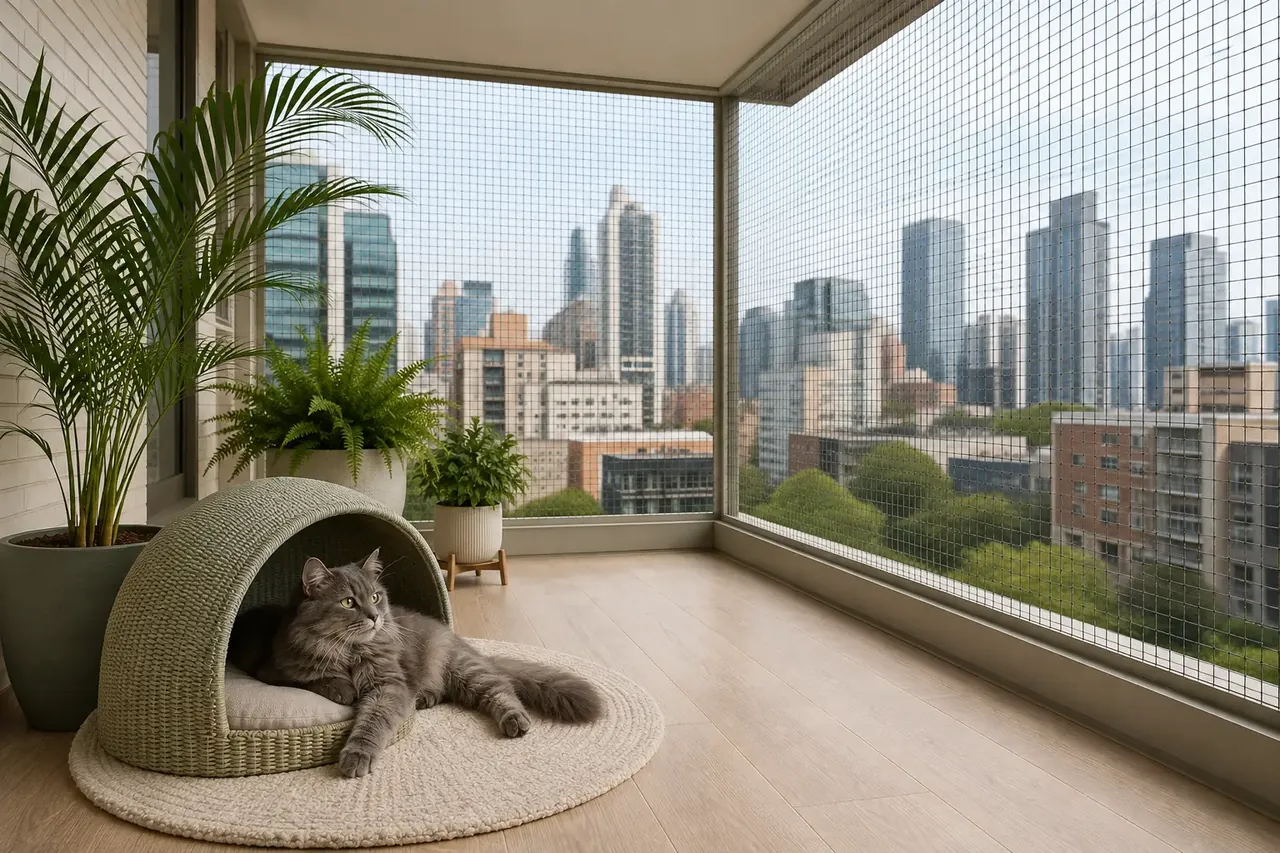 Topic illustration selected for this guide. Some learning images may be AI-assisted.
How to map resources in a multi-cat home — the quick answer
✓ Quiet blocking and route pressure can occur without obvious fighting.
✓ Draw the home and spread food, water, litter, scratching, hiding and resting options across separate locations.
✓ House-soiling, reduced eating, hiding or aggression warrants both veterinary and behaviour support.
Two resources placed together may function as one if a cat can guard the entire area.
Draw the home at cat level
Sketch rooms, doors, stairs and furniture, then mark every essential resource. Include favourite beds, window perches and human-contact areas, not only bowls and trays. Note doors that close and routes changed by daily household activity.
Add approaches, exits and sightlines
Draw how each cat reaches and leaves each point. Circle narrow halls, dead ends and locations visible from one guarding position. A resource with only one approach can become unavailable even when nobody hisses or fights.
Watch the cat who waits
Observe at meals, busy times and overnight if safe. Record pausing, turning back, using resources only when another cat sleeps, rushing, following and doorway resting. A short camera view can help, but do not provoke interactions for footage.
Improve one pressure point at a time
Add an equivalent option in a separate area, use furniture or visual barriers to break a stare and preserve multiple routes. Retest the map after moving anything. Avoid relocating every familiar resource at once, which can create new uncertainty.
Connect the map to health
Track individual food intake, weight, urine, stool, hiding and injuries. House-soiling, reduced eating, persistent fear or sudden aggression needs veterinary assessment; ongoing intercat tension may also need qualified behaviour support.
Your quick checklist
Loading saved progress…
Three simple things you can do
You do not have to change everything today. Pick one step that feels realistic, try it and see how your cat responds.
- 1Draw where every food, water, litter, bed, scratcher, hide and high perch is located.
- 2Separate important resources so one cat cannot guard them all.
- 3Check routes for dead ends and add more than one way in and out.
Common mistakes
×Counting bowls without considering their locations.
×Placing every resource in one convenient room.
×Assuming cats that do not fight are sharing comfortably.
Questions cat people ask
Why map resources in a multi-cat home?+
A map reveals clusters, bottlenecks and guarded routes that a simple item count misses. Distribution can reduce subtle competition.
How many resources do two cats need?+
There is no single perfect number, but multiple separated choices for each essential need are safer than requiring close sharing.
Still looking for the right answer?
Search the full EverYes Cats encyclopedia with your own words — a symptom, food, behaviour, breed or everyday question.
Checked, dated and transparent
- Prepared by
- EverYes Cats editorial team
- Last updated
- Source checked
- Primary reference
- FelineVMA: Intercat Tension Guidelines ↗
We begin with the named reference, rewrite the information in plain language and add practical cat-parent steps. Urgent health statements are checked against veterinary sources. This guide has not been individually reviewed by a veterinarian unless explicitly stated. It provides education, not diagnosis or treatment.
How we choose and use sources →
Spotted something unclear or outdated? Tell us so we can review it.
Loading your saved choice…
Cats cope best when weekend meals, medication and essential care stay close to the weekday pattern, even if play and family time become more flexible.
 02
 04
 06