Quiet bullying in multi-cat homes
Intercat tension is often quiet: staring, stalking, doorway blocking and resource control can shrink another cat's life without a loud fight. Map patterns and separate essential resources.
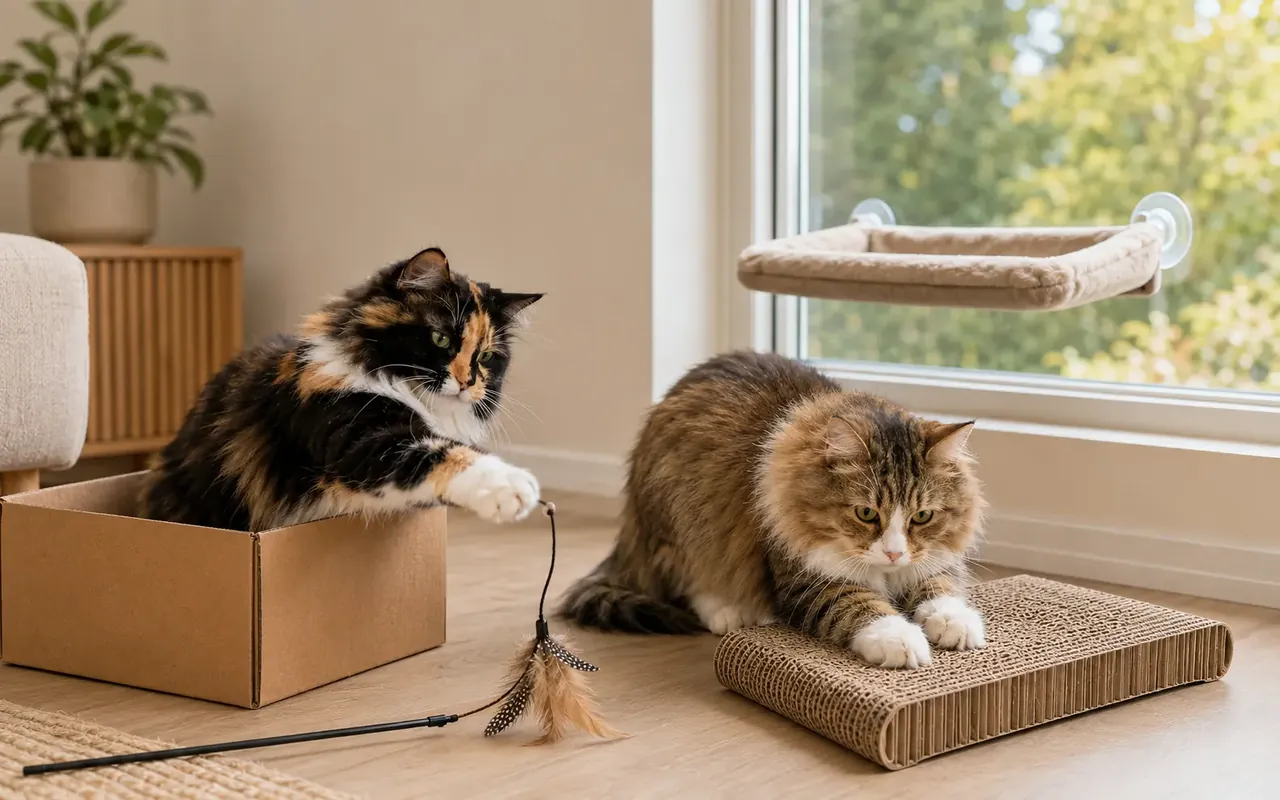
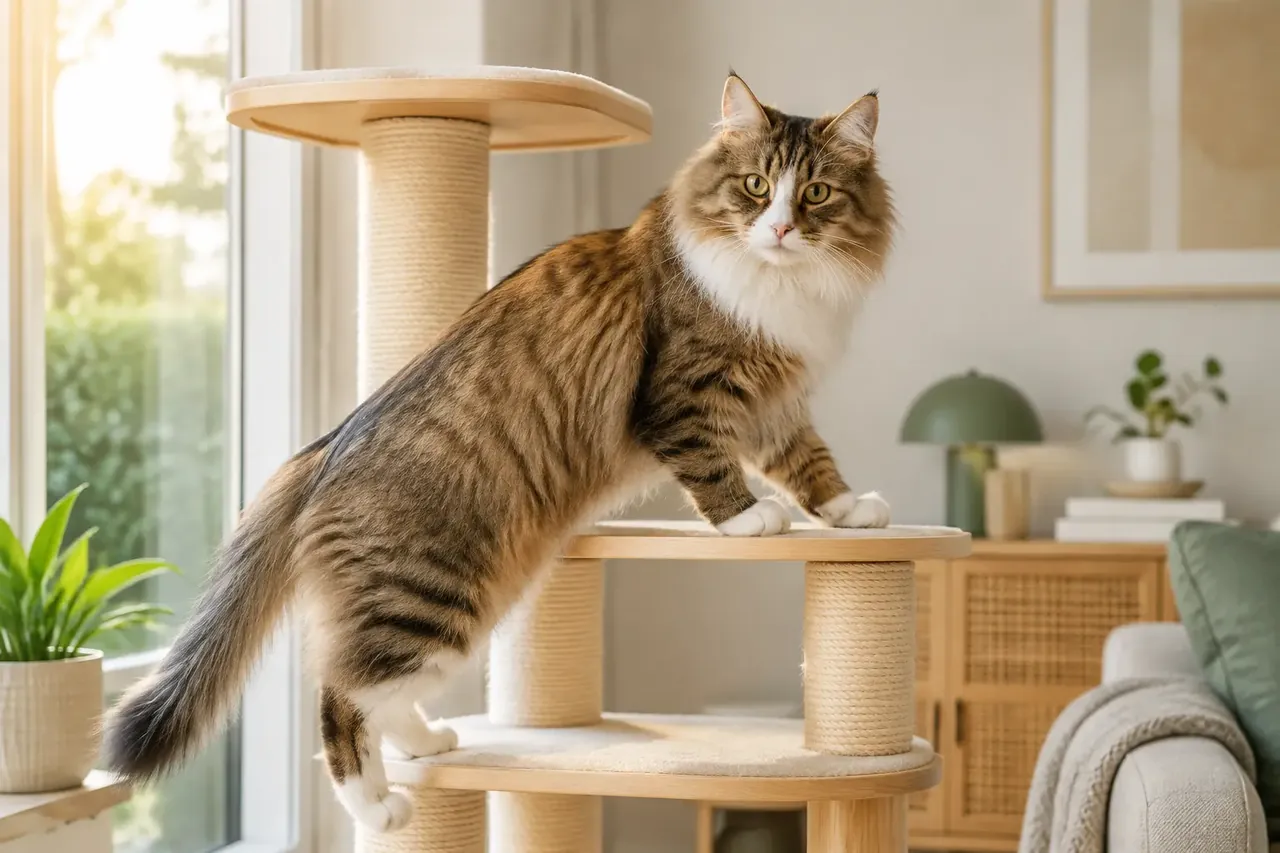 Topic illustration selected for this guide. Some learning images may be AI-assisted.
Quiet bullying in multi-cat homes — the quick answer
✓ Look for blocking rather than only fighting
✓ Duplicate resources in separate locations
✓ Give every cat escape routes and height
✓ Sudden behaviour change also needs a health check
Conflict between cats is not always loud. One cat may control doorways, litter access, food or favourite resting places through staring and positioning while the other becomes smaller, quieter or more hidden.
Replace the bullying label with observations
Record exactly who stares, follows, blocks, corners, chases or displaces whom, and what happens next. One cat may wait to eat, avoid a hallway, hide for long periods or use only part of the home. Calling one cat a bully can hide fear, pain, mismatched play or competition. Observable patterns lead to safer changes than blame.
Map pressure points for seven days
Note doorways, stairs, windows, litter areas, feeding times, favourite beds and human attention. Watch whether one cat must pass another to reach a basic need or is ambushed after litter use. Include time of day and outside-cat activity. A simple floor plan and diary can reveal repeated bottlenecks that are missed when everyone appears quiet.
Disperse every essential resource
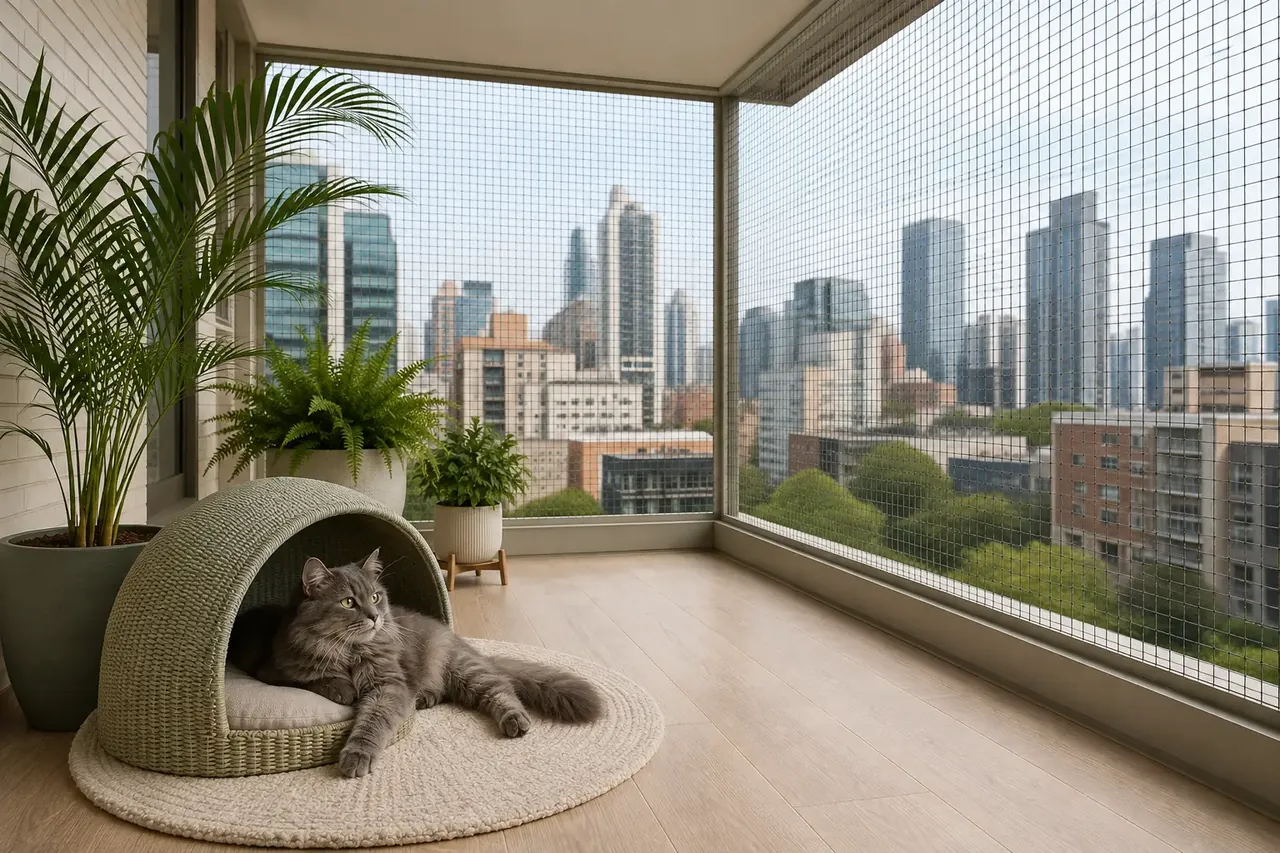
Provide food, water, litter trays, scratching, hiding, resting and elevated choices in genuinely separate locations, ideally with visual separation. Several bowls in one row still form one station that can be guarded. Each area should have more than one approach and exit so a cat is not trapped. Feed social groups separately when quiet pressure affects intake.
Break staring and narrow routes
Use solid furniture, screens or layout changes as visual barriers, and add stable vertical routes and alternative paths. Do not create a high perch with only one way down. Cover a window temporarily if an outdoor cat triggers redirected tension. Make changes without carrying cats toward each other or forcing them to share a small space.
Match play to different activity levels
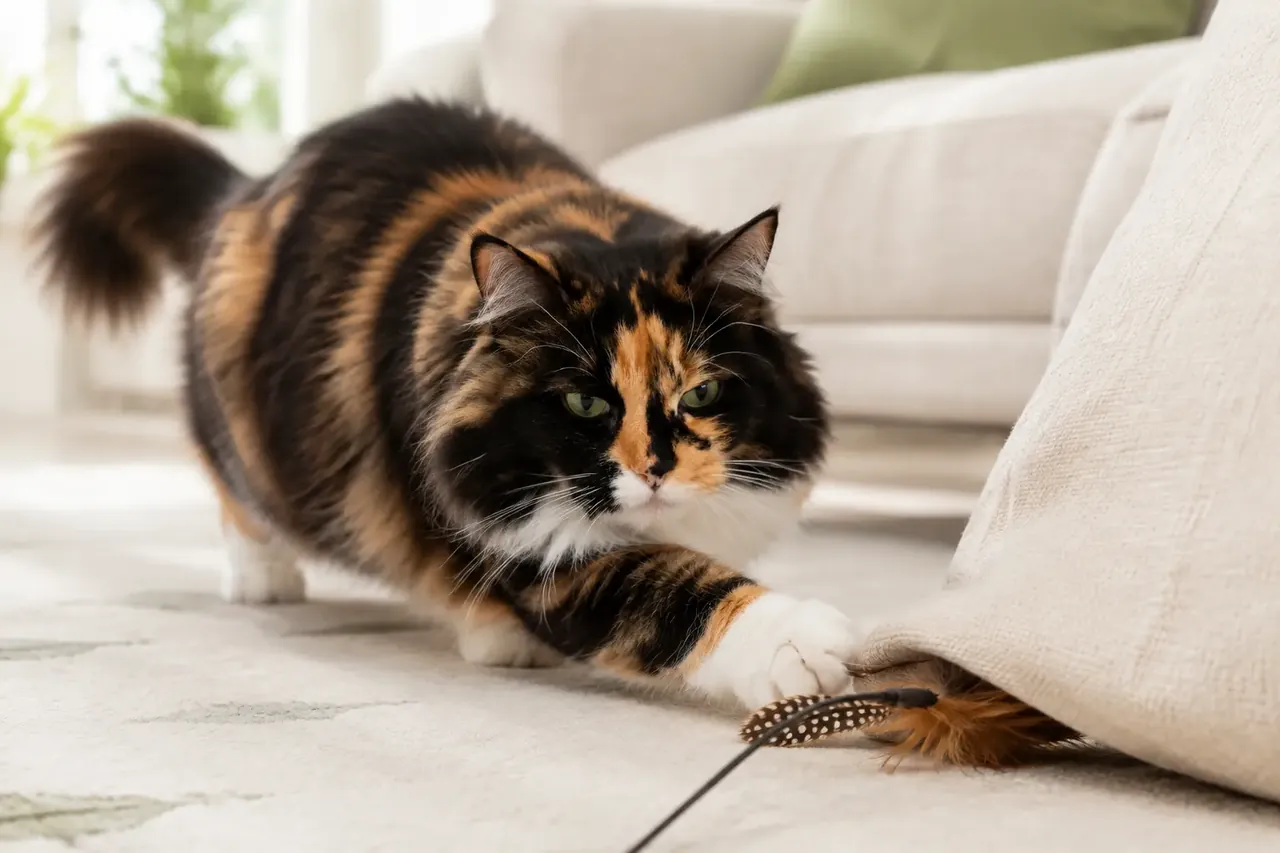
A high-play-drive cat may repeatedly chase a quieter housemate. Provide at least two focused interactive play sessions and individual outlets, ending with a catch. Give the other cat protected calm time and resources. Do not expect the older or timid cat to serve as entertainment, and do not punish chasing or hissing, which can increase fear and association with the other cat.
Check health on both sides
Pain and illness can reduce tolerance, change scent or make a cat vulnerable. Arrange veterinary assessment when relationships change suddenly, appetite falls, grooming changes, litter habits shift or touch becomes difficult. Treating only the apparent aggressor can miss a health problem in either cat. Share the diary and safe videos with the veterinary team.
Escalate before conflict becomes a fight
Separate cats safely after injury or intense pursuit and use a structured reintroduction rather than immediate forced reunion. Seek a qualified feline behaviour professional for persistent stalking, severe fear, house-soiling, injury or a cat losing access to normal life. The goal is not forced friendship; peaceful coexistence with free resource access is a valid outcome.
Your quick checklist
Loading saved progress…
Three simple things you can do
You do not have to change everything today. Pick one step that feels realistic, try it and see how your cat responds.
- 1Map staring, doorway blocking, chasing after litter use and which cat waits to access resources.
- 2Duplicate food, water, litter, scratching and rest areas in genuinely separate locations.
- 3Add height, visual barriers and more than one route through important rooms.
Common mistakes
×Assuming there is no conflict because the cats do not fight loudly.
×Placing several bowls or litter boxes together and counting them as separate choices.
×Forcing the cats to share space or punishing the cat that appears to intimidate.
Questions cat people ask
What does quiet bullying between cats look like?+
One cat may stare, guard a doorway, block litter or food, or repeatedly displace another. The affected cat may hide, wait, overgroom or use a much smaller territory.
When do we need professional help?+
Arrange veterinary checks for both cats when behaviour changes. Persistent stalking, injury, severe fear or house-soiling also warrants help from a qualified feline behaviour professional.
Still looking for the right answer?
Search the full EverYes Cats encyclopedia with your own words — a symptom, food, behaviour, breed or everyday question.
Checked, dated and transparent
- Prepared by
- EverYes Cats editorial team
- Last updated
- Source checked
- Primary reference
- FelineVMA Intercat Tension Guidelines ↗
We begin with the named reference, rewrite the information in plain language and add practical cat-parent steps. Urgent health statements are checked against veterinary sources. This guide has not been individually reviewed by a veterinarian unless explicitly stated. It provides education, not diagnosis or treatment.
How we choose and use sources →
Spotted something unclear or outdated? Tell us so we can review it.
Loading your saved choice…
A useful play routine does not need long sessions. Several predictable bursts of hunting-style activity can fit around mornings, meals and evening routines.
 02
 03
 04
 05