Why does my cat suddenly sit down while walking?
An occasional pause may be ordinary, but repeated abrupt sitting can reflect paw, joint, back or neurological discomfort. Observe the whole gait without forcing extra movement.
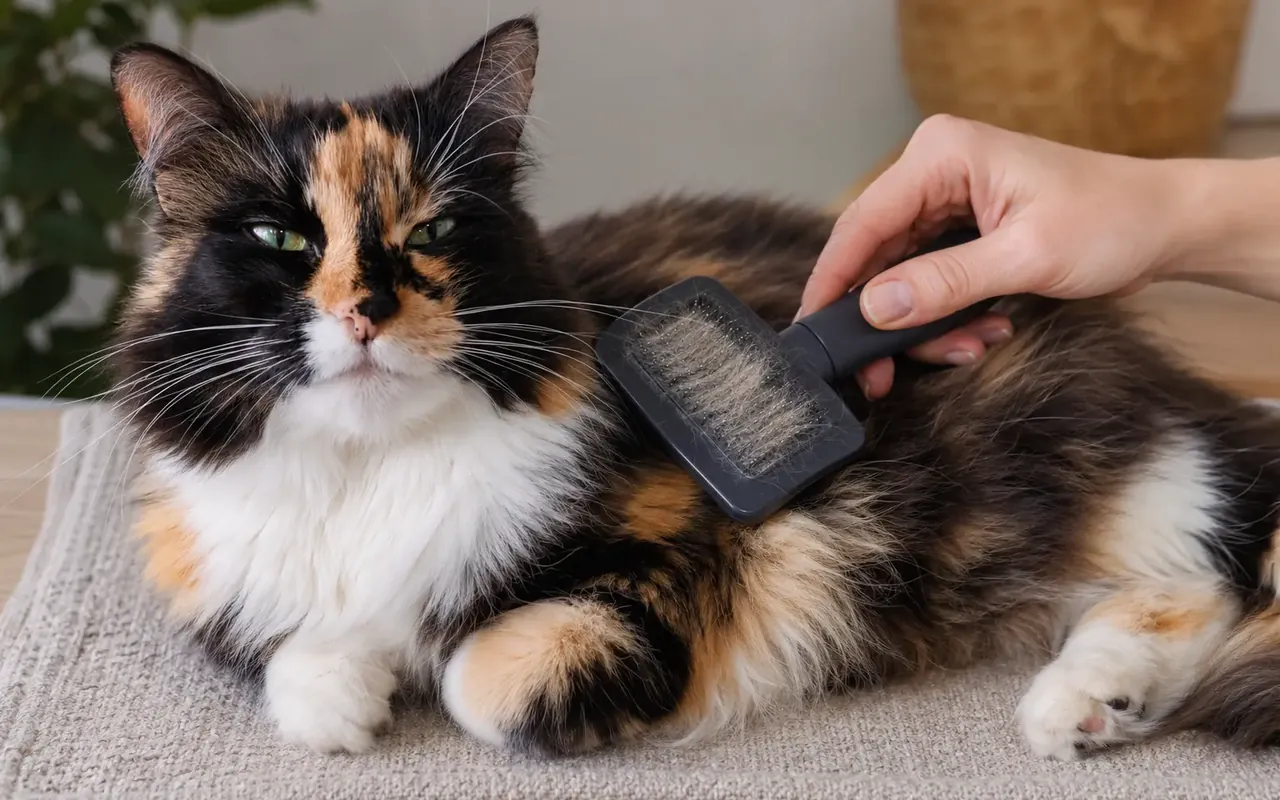 Topic illustration selected for this guide. Some learning images may be AI-assisted.
Why does my cat suddenly sit down while walking — the quick answer
✓ The cat may pause normally, but repeated abrupt sitting can reflect paw, joint, back or neurological discomfort.
✓ Observe: Watch gait, paw licking, surface, distance and ability to jump.
✓ Try this: Limit risky jumping and seek veterinary assessment for a new repeated pattern.
The cat may pause normally, but repeated abrupt sitting can reflect paw, joint, back or neurological discomfort. The useful question is not only what the moment resembles, but whether it fits this cat’s normal pattern. Context, frequency, recovery and accompanying changes make the interpretation safer and more accurate.
Record the natural sequence
Note surface, distance, speed and which leg bears weight before the cat sits. Film a short ordinary walk from the side when safe; do not chase, repeatedly call or lure over stairs.
Check paws and access
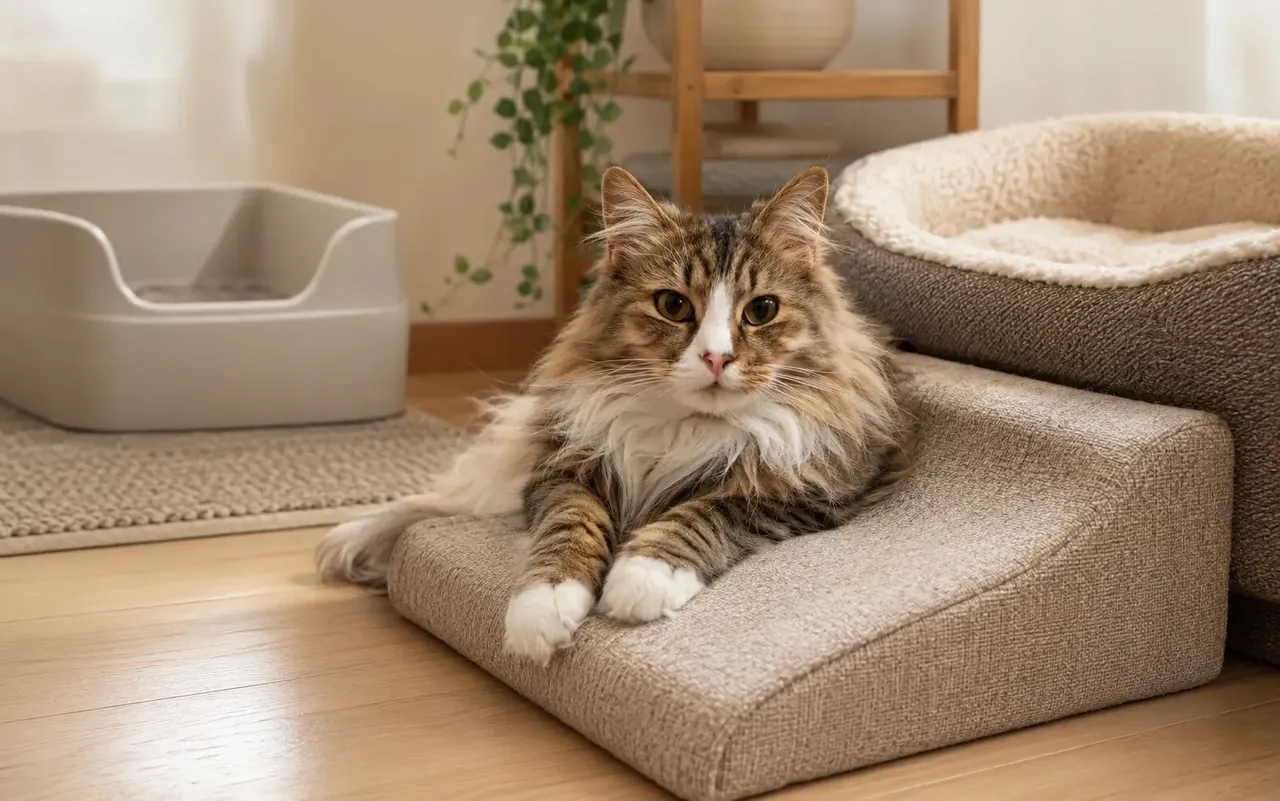
Look only as handling is accepted for a torn claw, debris, swelling, heat or pad injury. Add non-slip routes and floor-level food, water, litter and beds while preserving familiar safe places.
Compare related movement
Watch rising, turning, jumping, stairs, litter entry and grooming reach. One repeated sitting pattern together with reduced jumping or stiffness gives a veterinarian more useful context than pressing painful joints at home.
When veterinary care matters
Arrange prompt assessment for a new repeated pattern, limping, pain, weakness or reduced access to resources. Dragging, inability to stand, a cold unusable limb, severe pain, collapse or breathing difficulty is urgent.
Your quick checklist
Loading saved progress…
Three simple things you can do
You do not have to change everything today. Pick one step that feels realistic, try it and see how your cat responds.
- 1Observe your cat’s individual baseline.
- 2Make one gentle change at a time.
- 3Ask a qualified professional when health or safety is involved.
Common mistakes
×Waiting for a dramatic symptom instead of noticing smaller changes from the cat’s normal routine.
×Changing several things at once, making it difficult to learn what actually helped.
×Treating general guidance as a substitute for advice from a veterinarian who knows the individual cat.
Questions cat people ask
Does every cat follow the same rule?+
No. Age, health, history, temperament and environment all change what works for an individual.
When should I seek professional help?+
Seek veterinary advice for sudden, persistent or concerning changes and urgent help for breathing difficulty, collapse, seizures, poisoning or urinary obstruction signs.
Still looking for the right answer?
Search the full EverYes Cats encyclopedia with your own words — a symptom, food, behaviour, breed or everyday question.
Checked, dated and transparent
- Prepared by
- EverYes Cats editorial team
- Last updated
- Source checked
- Primary reference
- AAHA: Guiding Principles of Pain Assessment ↗
We begin with the named reference, rewrite the information in plain language and add practical cat-parent steps. Urgent health statements are checked against veterinary sources. This guide has not been individually reviewed by a veterinarian unless explicitly stated. It provides education, not diagnosis or treatment.
How we choose and use sources →
Spotted something unclear or outdated? Tell us so we can review it.
Loading your saved choice…
A cat may briefly check scent and postpone toileting, but repeated sniff-and-leave visits can reflect an unsuitable setup, social blocking, constipation or urinary pain. Confirm normal urine and stool rather than guessing.
 03
 05
 06