How do you make a bookshelf safe for a climbing cat?
A bookshelf can provide useful vertical territory only when the unit is anchored, loads are stable and every landing surface has grip, clearance and more than one safe route. Check the whole climb, not just the top shelf.
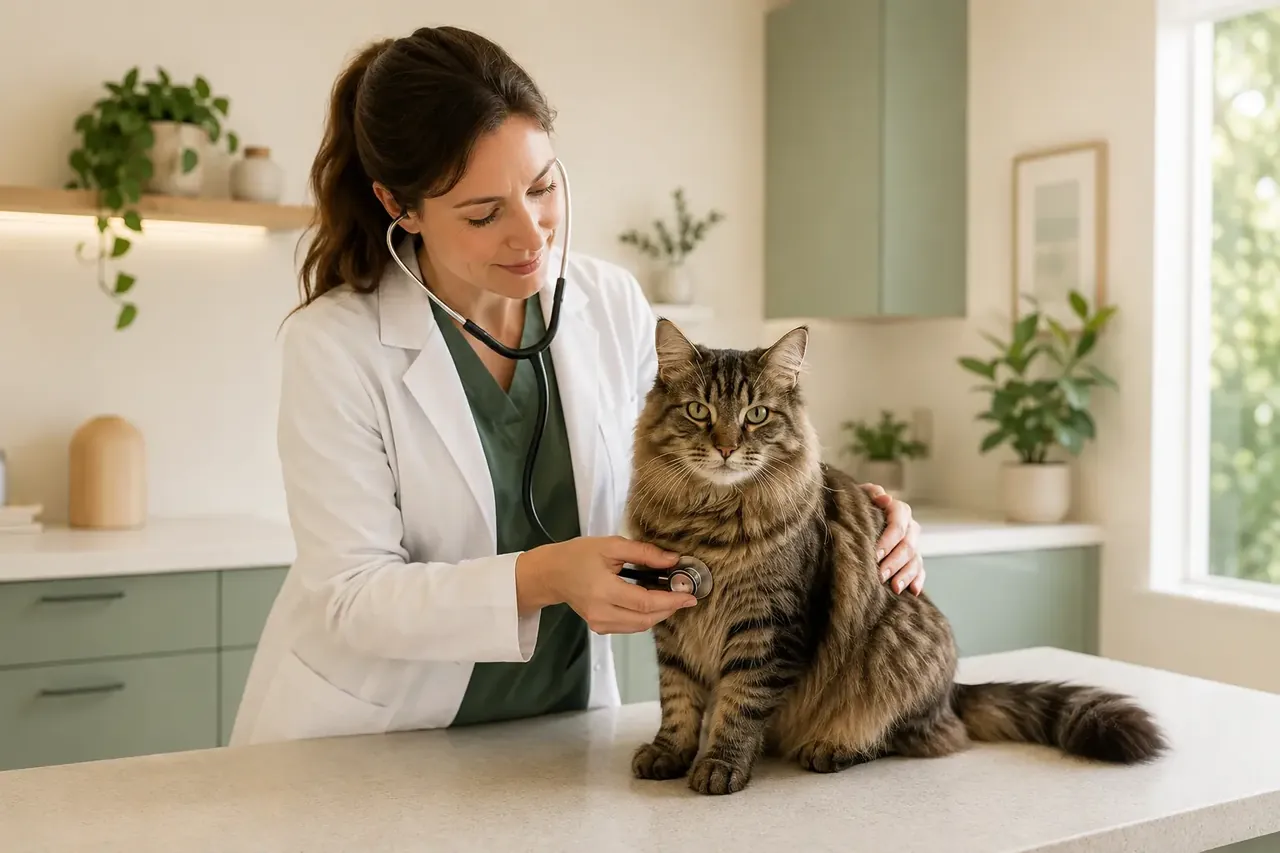
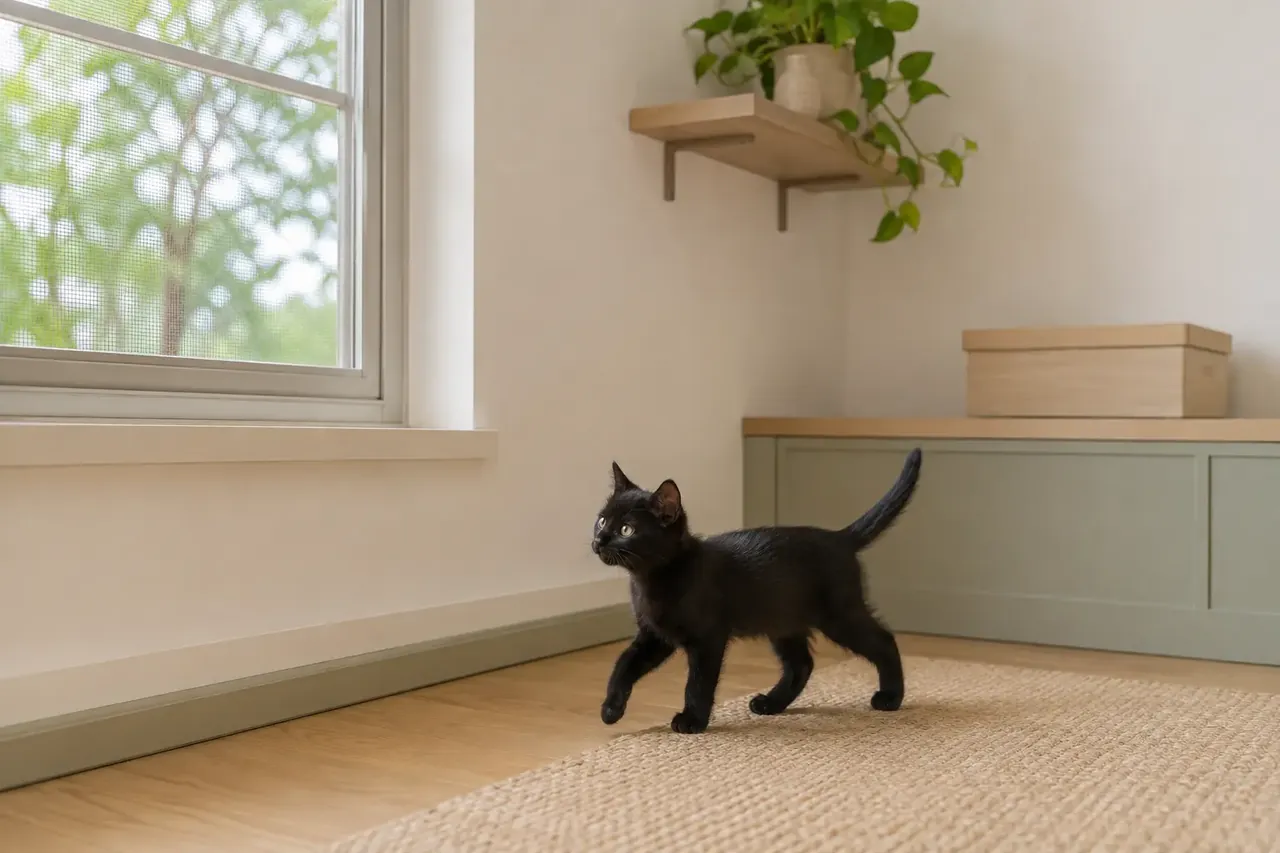 Topic illustration selected for this guide. Some learning images may be AI-assisted.
How do you make a bookshelf safe for a climbing cat — the quick answer
✓ A shelf can become useful vertical territory only when it is anchored, clear of breakables and connected by safe landing points.
✓ Observe: Check tipping risk, shelf depth, slippery surfaces and every jump route.
✓ Try this: Anchor furniture, remove hazards and add nonslip resting space with more than one exit.
A shelf can become useful vertical territory only when it is anchored, clear of breakables and connected by safe landing points. The useful question is not only what the moment resembles, but whether it fits this cat’s normal pattern. Context, frequency, recovery and accompanying changes make the interpretation safer and more accurate.
Anchor before allowing access
Secure the unit to suitable wall structure with hardware appropriate for the wall and furniture, following manufacturer instructions. Do not rely on weight alone. Check wobble, bowed shelves and fixings regularly, especially after moving furniture or when children can pull or climb.
Remove falling and trapping hazards
Clear glass, ceramics, candles, medicines, plants, small objects, cords and heavy items from reachable edges. Close gaps where a collar, paw or head could become trapped. Cordless blinds and secured cables reduce entanglement risk. Do not place the route above a heater, hob or opening window.
Build stable landing places
Use shelf depth that supports the whole resting body and add a thin secured nonslip surface that cannot bunch or slide. Keep jump distances appropriate for the cat and add intermediate steps for kittens, seniors or reduced mobility. Loose fabric and adhesive mats can create new hazards.
Provide two directions of travel
Avoid a single high dead end that another pet or person can block. Connect the shelf to a stable cat tree, lower shelf or second descent route. Position food, water and litter elsewhere so the cat is not required to climb for essentials.
When to reassess access
Block the area safely if the unit moves, shelves crack or the cat repeatedly slips or misjudges jumps. New reluctance to climb, stiffness, weakness or falls deserves veterinary assessment. A significant fall, breathing trouble, severe pain or inability to walk needs urgent care.
Your quick checklist
Loading saved progress…
Three simple things you can do
You do not have to change everything today. Pick one step that feels realistic, try it and see how your cat responds.
- 1Observe your cat’s individual baseline.
- 2Make one gentle change at a time.
- 3Ask a qualified professional when health or safety is involved.
Common mistakes
×Waiting for a dramatic symptom instead of noticing smaller changes from the cat’s normal routine.
×Changing several things at once, making it difficult to learn what actually helped.
×Treating general guidance as a substitute for advice from a veterinarian who knows the individual cat.
Questions cat people ask
Does every cat follow the same rule?+
No. Age, health, history, temperament and environment all change what works for an individual.
When should I seek professional help?+
Seek veterinary advice for sudden, persistent or concerning changes and urgent help for breathing difficulty, collapse, seizures, poisoning or urinary obstruction signs.
Still looking for the right answer?
Search the full EverYes Cats encyclopedia with your own words — a symptom, food, behaviour, breed or everyday question.
Checked, dated and transparent
- Prepared by
- EverYes Cats editorial team
- Last updated
- Source checked
- Primary reference
- Cats Protection: Keeping Cats Safe at Home ↗
We begin with the named reference, rewrite the information in plain language and add practical cat-parent steps. Urgent health statements are checked against veterinary sources. This guide has not been individually reviewed by a veterinarian unless explicitly stated. It provides education, not diagnosis or treatment.
How we choose and use sources →
Spotted something unclear or outdated? Tell us so we can review it.
Loading your saved choice…
A safe balcony routine combines floor-to-ceiling cat-proof screening, supervised access and a consistent check before the door moves. A training cue cannot replace a physical barrier.
 01
 02
 03
 04
 06