Why Does My Cat Prefer an Old Box to a New Bed?
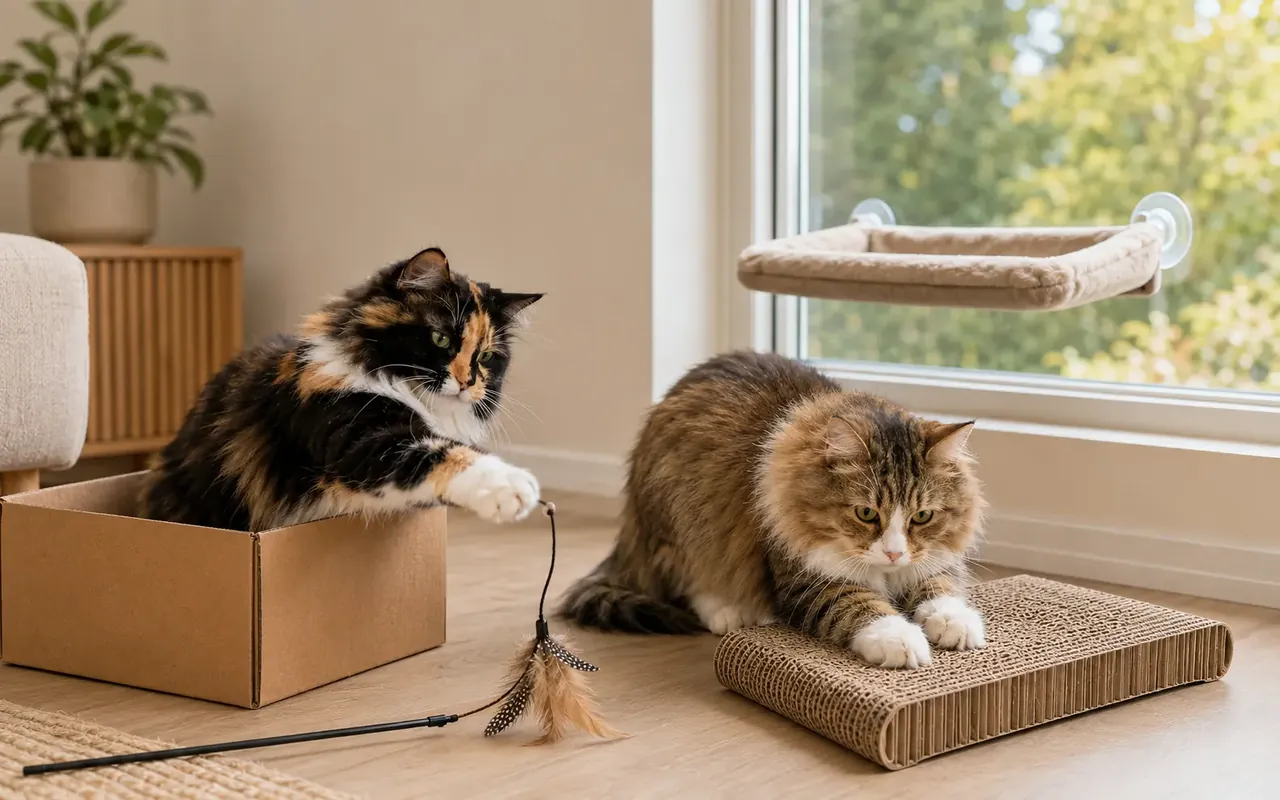
An old box may beat a new bed because it has familiar scent, firm edges and useful cover. Keep the safe box while making the bed more familiar instead of forcing the purchase to succeed.
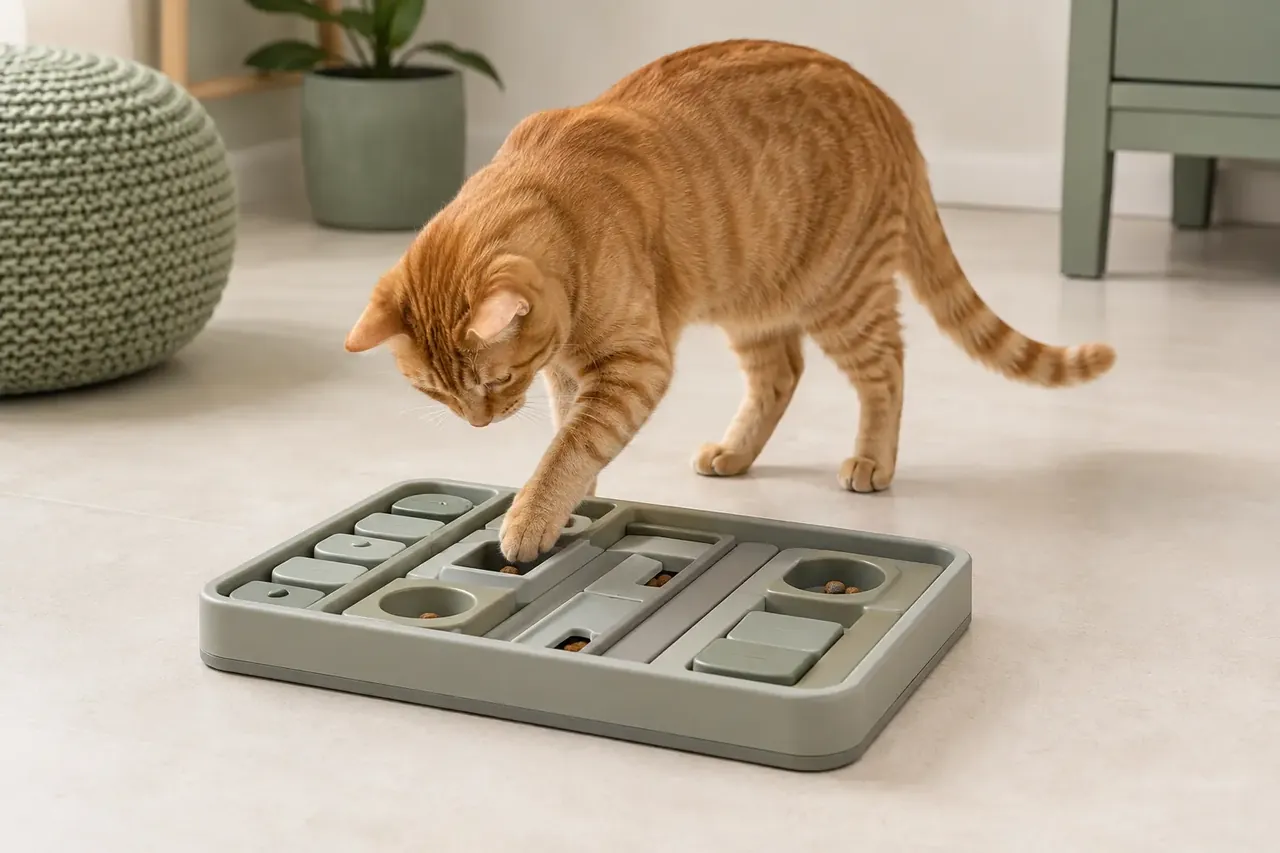 Topic illustration selected for this guide. Some learning images may be AI-assisted.
Why Does My Cat Prefer an Old Box to a New Bed — the quick answer
✓ A familiar box offers known scent, firm edges and protection, while a new bed may smell unfamiliar.
✓ Keep the safe box, place the bed nearby and transfer a familiar blanket.
✓ Constant hiding with food refusal or pain signs needs veterinary advice.
A familiar box offers known scent, firm edges and protection, while a new bed may smell unfamiliar. The full situation matters more than one isolated moment.
Compare the whole setup
Check location, warmth, height, firmness, cover and escape routes. The box may sit in the preferred social spot while the bed is exposed, unstable or strongly scented.
Keep a safe favourite
Remove staples, tape, plastic and damaged wet cardboard, then allow continued use. Familiar choice supports security; price does not determine value to the cat.
Introduce the bed quietly
Place it near the box, add a familiar clean blanket and let the cat investigate without being carried onto it. Avoid perfume, essential oils and repeated repositioning.
Test one feature at a time
Change only location, texture or warmth and observe for several days. In multi-cat homes, provide more good beds than cats so neither option becomes guarded.
When to contact a veterinarian
Constant hiding with reduced appetite, pain, poor movement or sudden withdrawal needs veterinary advice. Difficulty jumping may make a previously easy bed inaccessible.
Your quick checklist
Loading saved progress…
Three simple things you can do
You do not have to change everything today. Pick one step that feels realistic, try it and see how your cat responds.
- 1Observe your cat’s individual baseline.
- 2Make one gentle change at a time.
- 3Ask a qualified professional when health or safety is involved.
Common mistakes
×Waiting for a dramatic symptom instead of noticing smaller changes from the cat’s normal routine.
×Changing several things at once, making it difficult to learn what actually helped.
×Treating general guidance as a substitute for advice from a veterinarian who knows the individual cat.
Questions cat people ask
Does every cat follow the same rule?+
No. Age, health, history, temperament and environment all change what works for an individual.
When should I seek professional help?+
Seek veterinary advice for sudden, persistent or concerning changes and urgent help for breathing difficulty, collapse, seizures, poisoning or urinary obstruction signs.
Still looking for the right answer?
Search the full EverYes Cats encyclopedia with your own words — a symptom, food, behaviour, breed or everyday question.
Checked, dated and transparent
- Prepared by
- EverYes Cats editorial team
- Last updated
- Source checked
- Primary reference
- FelineVMA: Feline Environmental Needs Guidelines ↗
We begin with the named reference, rewrite the information in plain language and add practical cat-parent steps. Urgent health statements are checked against veterinary sources. This guide has not been individually reviewed by a veterinarian unless explicitly stated. It provides education, not diagnosis or treatment.
How we choose and use sources →
Spotted something unclear or outdated? Tell us so we can review it.
Loading your saved choice…
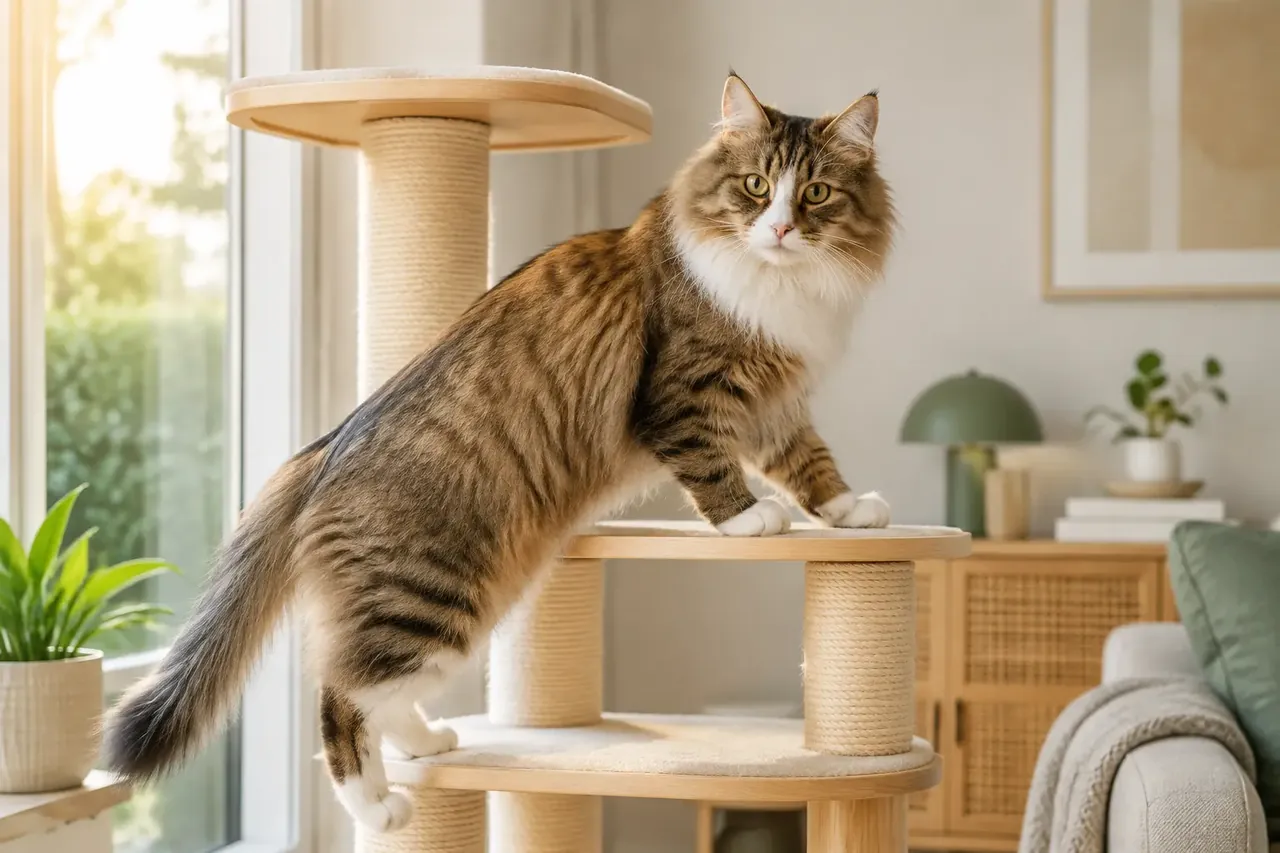
There is no universally safe maximum jump for a cat. Ability changes with age, body condition, surface, confidence, vision and pain. Build shorter stable routes and treat a new reduction, hesitation or missed landing as useful health information.
 01
 03
 04