How much should I feed my cat? A practical portion guide
The package chart is a starting estimate; the right portion depends on body condition, life stage, activity, neuter status and health.
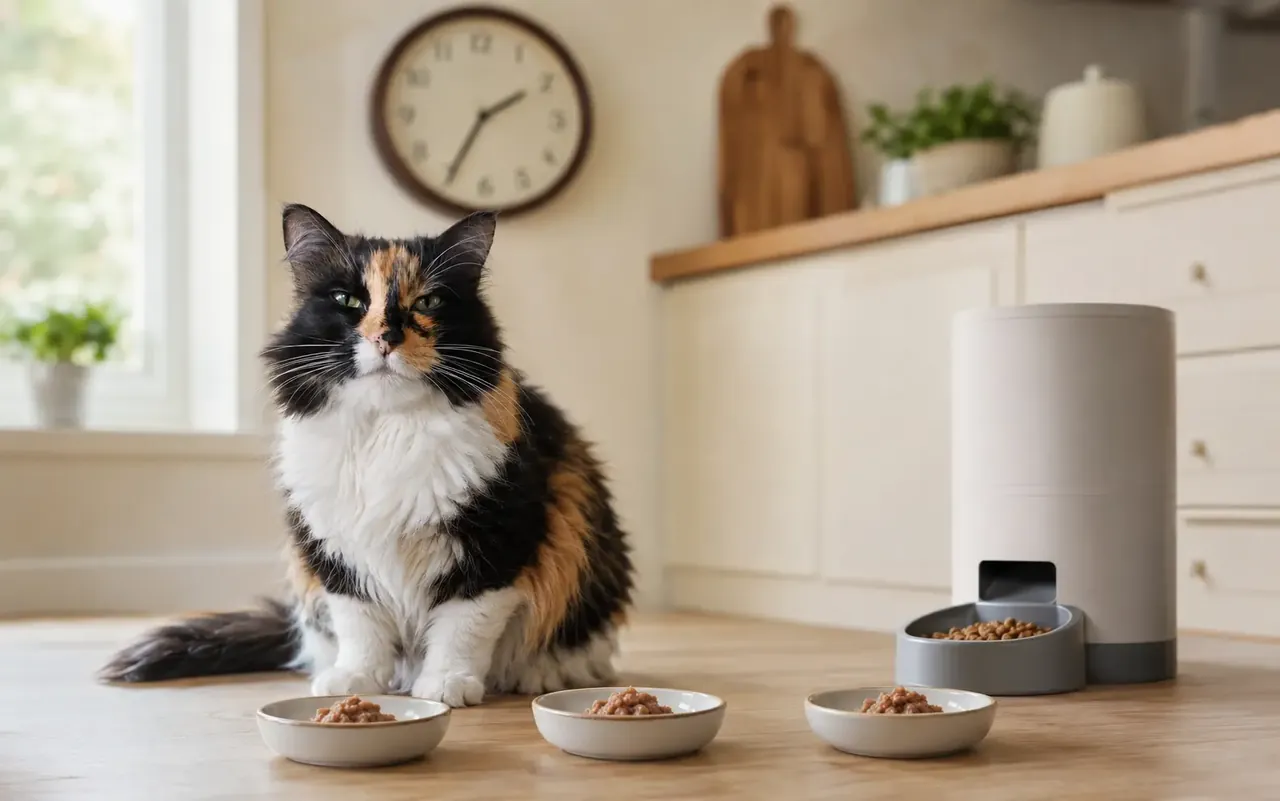 Topic illustration selected for this guide. Some learning images may be AI-assisted.
The package chart is a starting estimate; the right portion depends on body condition, life stage, activity, neuter status and health.
How much should I feed my cat? A practical portion guide — the quick answer
✓ The package chart is a starting estimate; the right portion depends on body condition, life stage, activity, neuter status and health.
✓ Measure the whole day's food, count treats, track weight and adjust slowly with veterinary guidance.
✓ Unexpected weight or appetite change needs a veterinary check rather than a calorie adjustment alone.
The package chart is a starting estimate; the right portion depends on body condition, life stage, activity, neuter status and health. This practical guide explains portions, preparation, hidden ingredients and when to call a veterinarian.
The short answer
The package chart is a starting estimate; the right portion depends on body condition, life stage, activity, neuter status and health. The useful question is not only whether one bite is toxic. It is also whether the food is easy to eat, suitable for this particular cat and small enough not to crowd out a balanced meal. A cautious answer protects both immediate safety and long-term nutrition.
Why cats need a different answer from humans
Cats are obligate carnivores. Their bodies are adapted to obtain essential nutrients from animal-based food, including specific amino acids, fatty acids and vitamins. That does not mean every piece of meat is a complete meal, or that every plant food is poisonous. It means the dependable center of the bowl should be a complete cat food formulated for the cat's life stage—not a collection of human-food extras.
What this food actually offers
Measured portions make gradual adjustment possible. That may sound positive, but one useful nutrient does not make a food balanced. Nutrition works as a whole pattern. A treat can be safe and still be unnecessary, calorie-dense or poorly suited to a cat with diabetes, kidney disease, urinary problems, pancreatitis, allergies or a prescription diet.
The main risks
Free-pouring, uncounted treats and feeding every cat identically can cause weight gain or loss. Portion size changes the picture too. A lick, a pea-sized piece and half a plate are not equivalent exposures. Kittens, seniors, small cats and cats with chronic disease can also have less room for error. When in doubt, keep the wrapper or recipe and ask before offering more.
A safer way to serve it
Measure the whole day's food, count treats, track weight and adjust slowly with veterinary guidance. Introduce only one unfamiliar extra at a time. Place it in the bowl or on a clean plate rather than encouraging stealing from a hand, pan or dinner table. Never force a taste. A cat that walks away has given a perfectly acceptable answer.
How much is a small amount?
For most optional foods, think in crumbs and teaspoons rather than human portions. Treats and extras should remain a small part of the daily calories, with complete food doing the nutritional work. A surprisingly tiny piece can still be a satisfying reward when it arrives at the right moment. If weight control matters, reserve part of the measured daily ration for rewards instead of adding more calories.
Read the whole recipe, not the headline ingredient
Human dishes rarely contain only the ingredient in their name. Sauces may include onion or garlic. Desserts may contain chocolate, alcohol, raisins or sweeteners. Deli foods can be high in salt, and fried foods are rich in fat. Ask what else is present, how it was cooked and whether bones, pits, shells, skewers, string or packaging could have been swallowed.
Preparation matters
Plain usually means no salt, spice blend, stock cube, butter, oil, marinade, sauce or garnish. Cook animal products thoroughly unless a veterinarian has given a specific alternative plan. Remove bones, pits, stems, tough skins and choking-size pieces. Wash produce and utensils. These simple steps reduce avoidable problems without turning a tiny treat into a complicated recipe.
DEEPER GUIDE18 more detailed sectionsOpen +
What to watch after a new food
Observe appetite, energy, breathing, swallowing, vomiting, stool and comfort over the next day. Mild soft stool after an unfamiliar rich food is different from repeated vomiting, severe diarrhea, marked lethargy, pain, tremors or collapse. Also notice repeated scratching or skin changes over time. Write down what was eaten and when; accurate details are more useful than guessing later.
If your cat already ate it
Unexpected weight or appetite change needs a veterinary check rather than a calorie adjustment alone. Do not give salt, milk, oil, hydrogen peroxide or another home remedy, and do not make the cat vomit unless a veterinary professional specifically instructs you. Move the remaining food out of reach. Photograph the label and collect the package, recipe, plant sample or ingredient list before you call.
When it is an emergency
Breathing difficulty, choking, blue or very pale gums, collapse, seizures, severe weakness, repeated retching, a swollen painful abdomen or inability to stand requires immediate emergency veterinary care. Suspected toxins deserve a call before symptoms appear because early treatment may be more effective. Use your local veterinarian, emergency clinic or animal poison service; online guidance cannot calculate an individual risk.
Special diets change the answer
A cat on a urinary, kidney, allergy, diabetes, weight-loss or gastrointestinal diet may need to avoid extras that seem harmless for another cat. Even a small treat can interfere with an elimination trial or add phosphorus, sodium, fat, carbohydrate or calories the plan is designed to control. Ask the veterinary team for approved rewards so every person in the home follows the same plan.
What about kittens and senior cats?
Kittens need concentrated, complete growth nutrition and have small stomachs, so optional foods can displace important calories quickly. Senior cats may have dental pain, reduced digestion, kidney disease or medication that changes what is appropriate. For either age group, use soft tiny pieces only when suitable, and treat a new appetite change as health information rather than stubbornness.
Keep treats from taking over
Make a visible daily treat allowance and ask everyone to use it. Break rewards into several tiny pieces so training and bonding last longer without increasing the total. Food is not the only way to show affection: play, brushing, a warm resting place, a window perch and calm attention can be equally valuable. This approach protects the relationship and the waistline.
Common myths
A cat begging for a food does not prove the food is safe or needed. A natural label does not guarantee safety. A food appearing in commercial cat food does not mean the human version is suitable; manufacturers formulate, process and balance ingredients in controlled amounts. Finally, one cat eating something without obvious illness does not establish a safe dose for another cat.
A practical kitchen routine
Before cooking, put unsafe ingredients and packaging away. Give the cat a measured meal or puzzle feeder outside the busiest work area. Clear bones, string, foil and scraps directly into a secure bin. Wipe spills, close dishwasher and oven doors, and remind visitors not to share. Prevention is quieter, cheaper and kinder than managing an avoidable emergency.
How to decide next time
Use a five-part check: Is it known to be non-toxic? Is every ingredient identifiable? Is it prepared plainly? Is the piece small and easy to swallow? Does it fit this cat's health plan? If any answer is no or uncertain, skip it. Your cat loses nothing by receiving a familiar cat-safe reward instead.
Build a balanced daily pattern
Start with the measured amount of complete food your cat needs for the day. Divide it into meals that suit the household and the cat's routine. Reserve a small part for puzzles or training. Only then decide whether an optional extra fits. This order prevents treats from quietly replacing essential nutrition. It also makes appetite changes easier to notice because you know what was offered, what was eaten and what remains. In multi-cat homes, feed separately when needed so one confident eater does not distort the picture.
Use body condition, not the bowl, as feedback
A feeding plan should support a stable, healthy body condition. You should usually be able to feel the ribs beneath a light covering and see a waist from above, although coat length can hide shape. Weigh the cat regularly on the same scale and look for trends rather than reacting to one reading. If weight rises, count treats and shared scraps before cutting complete food sharply. If weight falls unexpectedly, arrange a veterinary examination. Unplanned weight loss is not a successful diet and can be an early clue to illness.
Food safety starts before serving
Wash hands before and after handling pet food or raw ingredients. Use clean bowls and utensils, and keep pet food away from human food-preparation surfaces where practical. Refrigerate opened wet food promptly and discard food that has sat out too long, smells unusual or has changed texture. Keep dry food in its original bag inside a clean sealed container so the lot number and date remain available. Check packages for damage, pests or recalls. Good storage protects the cat and makes a product concern much easier to trace.
Why sudden menu changes backfire
Even when both foods are safe, an abrupt switch may trigger vomiting, loose stool or refusal. Transition between complete diets gradually over several days unless a veterinarian advises a faster change. Begin with mostly the familiar food and increase the new food step by step. A sensitive cat may need longer. Do not use hunger to force acceptance, because cats should not go prolonged periods without adequate intake. If the new diet is medically important but the cat refuses it, call the veterinary team for a different strategy rather than improvising.
Texture, temperature and smell matter
Cats experience food through aroma, texture and familiarity as much as flavor. Chilled wet food may smell weak, while gently warming it to near body temperature can increase aroma. Some cats prefer pâté, others pieces in gravy, and dental pain may make a formerly easy texture uncomfortable. Serve a fresh small portion in a wide clean dish and remove leftovers before they dry. If a cat suddenly rejects a favorite texture, drops food, chews on one side or approaches the bowl but backs away, consider pain or nausea and contact a veterinarian.
Plan for a multi-cat household
Shared bowls make it difficult to know who ate what and can create quiet competition. Offer separate feeding stations with distance and visual barriers, especially when one cat has a medical diet or different calorie needs. Watch for guarding, staring, blocking and rapid gulping. Microchip feeders can help in some homes, but simple closed-room meals also work. Record each cat's usual appetite and weight. The goal is not merely to put enough food down; it is to give every cat safe access and to notice promptly when one individual's pattern changes.
Questions worth asking your veterinarian
Bring the exact brand, product name, portion, treats and supplements to routine appointments. Ask whether the food is complete for your cat's life stage, how many daily calories are appropriate, what body-condition target to use and which rewards fit any medical plan. Mention scavenging, vomiting, stool changes, dental difficulty and appetite shifts. Photos of labels and a three-day feeding record are often more useful than saying the cat eats a normal amount. Clear details help the veterinary team give advice that is specific rather than generic.
A calm response is safer than guilt
Cats steal food, guests share scraps and accidents happen. Focus on useful facts: the cat's weight, product, ingredients, amount, time and current symptoms. Calling for advice does not mean you failed; it means you are acting on the information you have. After the immediate issue is handled, change one practical thing—move the bin, close a cupboard, brief visitors or create a safe feeding station. Sustainable prevention comes from designing the home around real feline curiosity, not expecting perfect obedience from a cat.
Bottom line
The package chart is a starting estimate; the right portion depends on body condition, life stage, activity, neuter status and health. Keep complete, life-stage-appropriate cat food as the foundation. Optional tastes should be genuinely optional: tiny, plain, infrequent and easy to stop. When an exposure involves a toxin, bone, pit, raw dough, unknown mushroom, concentrated product or worrying symptom, contact a veterinary professional promptly rather than relying on a wait-and-see experiment.
Your quick checklist
Your progress is saved on this device.
Three simple things you can do
You do not have to change everything today. Pick one step that feels realistic, try it and see how your cat responds.
- 1Observe your cat’s individual baseline.
- 2Make one gentle change at a time.
- 3Ask a qualified professional when health or safety is involved.
Common mistakes
×Waiting for a dramatic symptom instead of noticing smaller changes from the cat’s normal routine.
×Changing several things at once, making it difficult to learn what actually helped.
×Treating general guidance as a substitute for advice from a veterinarian who knows the individual cat.
Questions cat people ask
Does every cat follow the same rule?+
No. Age, health, history, temperament and environment all change what works for an individual.
When should I seek professional help?+
Seek veterinary advice for sudden, persistent or concerning changes and urgent help for breathing difficulty, collapse, seizures, poisoning or urinary obstruction signs.
Still looking for the right answer?
Search the full EverYes Cats encyclopedia with your own words — a symptom, food, behaviour, breed or everyday question.
Checked, dated and transparent
- Prepared by
- EverYes Cats editorial team
- Last updated
- 7 August 2026
- Source checked
- 7 August 2026
- Primary reference
- Cornell Feline Health Center: Feeding Your Cat ↗
We begin with the named reference, rewrite the information in plain language and add practical cat-parent steps. Urgent health statements are checked against veterinary sources. This guide has not been individually reviewed by a veterinarian unless explicitly stated. It provides education, not diagnosis or treatment.
Spotted something unclear or outdated? Tell us so we can review it.
Your answer helps us improve the cat encyclopedia.
Plain, fully cooked boneless chicken can be a small treat, but seasoned skin, cooked bones and chicken-only diets are unsafe choices.