Can cats eat salmon?
A tiny flake of plain, fully cooked boneless salmon may suit many healthy adult cats. Raw, smoked, salted or seasoned salmon and fish-only feeding are not safe shortcuts.
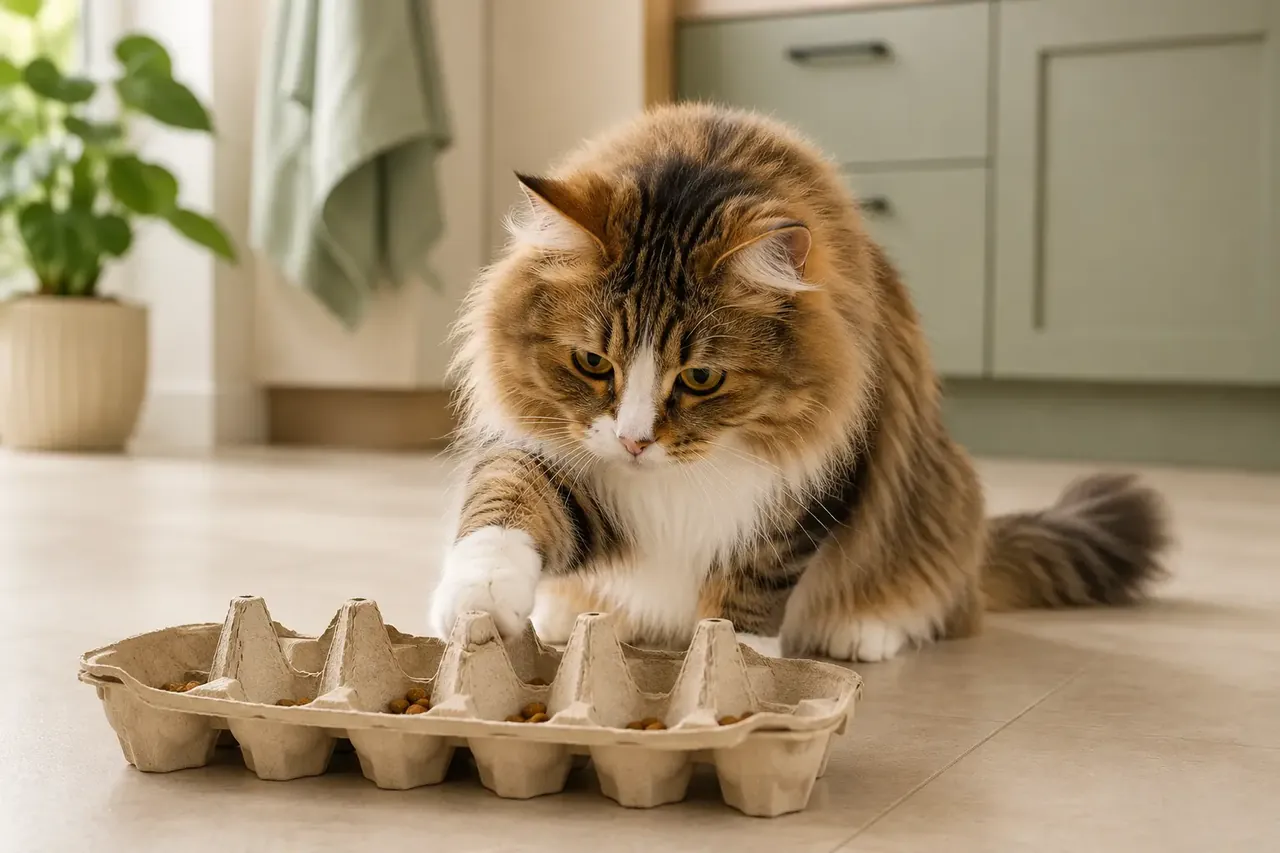 Topic illustration selected for this guide. Some learning images may be AI-assisted.
A tiny flake of plain, fully cooked boneless salmon may suit many healthy adult cats. Raw, smoked, salted or seasoned salmon and fish-only feeding are not safe shortcuts.
Can cats eat salmon — the quick answer
✓ Plain cooked boneless salmon is a treat, not a replacement for complete cat food.
✓ Cook thoroughly, remove every bone and offer a tiny flake.
✓ Call promptly if a bone may be swallowed or the cat coughs, gags or struggles to breathe.
Plain cooked boneless salmon is a treat, not a replacement for complete cat food. This practical guide explains portions, preparation, hidden ingredients and when to call a veterinarian.
The short answer
Yes, many healthy cats can have a tiny amount of plain, fully cooked, boneless salmon occasionally. It should be a treat rather than a daily meal, and raw, smoked, salted, seasoned or bone-in salmon is not the same safe choice.
The main risks
Fine fish bones can lodge in the mouth or throat or injure the digestive tract. Raw salmon can carry pathogens, while smoked salmon and prepared dishes may contain too much salt, fat, oil, butter, onion, garlic or sauce. Frequent generous servings can add substantial calories and displace a complete diet.
A safer way to serve it
Bake, steam or poach the salmon thoroughly with nothing added. Remove skin and inspect the flesh carefully from several angles for bones, then cool it and flake one tiny soft portion. Avoid using a piece that contacted sauce, seasoning or a shared cooking glaze.
How much is a small amount?
One or two small flakes are enough for an average adult cat to taste. Count salmon within the day's total treats rather than adding a human-sized piece to a full ration. Cats with obesity, pancreatitis, kidney disease, food allergy or a veterinary diet need individual advice first.
Read the whole recipe, not the headline ingredient
Smoked salmon, sushi, canned salmon, fish cakes and restaurant dishes can contain salt, oil, raw fish, bones, onion, garlic or other ingredients hidden by the word salmon. Keep the label or recipe and judge the entire dish, not only the fish.
If your cat already ate it
A tiny flake of plain cooked boneless salmon is usually monitored at home. Check the mouth only if this can be done safely, remove remaining food, identify ingredients and note the amount and time. Call a veterinarian promptly after a suspected bone, raw or smoked salmon, an unknown dish, or developing symptoms; do not induce vomiting.
When it is an emergency
Breathing difficulty, choking, repeated gagging or retching, blue or very pale gums, collapse, severe weakness, repeated vomiting or obvious pain needs immediate veterinary care. A suspected fish bone warrants prompt advice because a cat can appear comfortable while a sharp fragment remains lodged.
Special diets change the answer
A cat on a urinary, kidney, allergy, diabetes, weight-loss or gastrointestinal diet may need to avoid extras that seem harmless for another cat. Even a small treat can interfere with an elimination trial or add phosphorus, sodium, fat, carbohydrate or calories the plan is designed to control. Ask the veterinary team for approved rewards so every person in the home follows the same plan.
DEEPER GUIDE1 more detailed sectionsOpen +
Bottom line
A couple of plain cooked boneless salmon flakes can be an occasional treat. Keep complete cat food at the centre of the diet, avoid raw and smoked products, inspect carefully for bones and check every ingredient in prepared dishes.
Your quick checklist
Loading saved progress…
Three simple things you can do
You do not have to change everything today. Pick one step that feels realistic, try it and see how your cat responds.
- 1Serve a tiny amount of plain fully cooked salmon with every bone removed.
- 2Avoid smoked, cured, salted, sauced or heavily oiled salmon.
- 3Count it as a treat within the daily calorie allowance.
Common mistakes
×Feeding fish bones.
×Using smoked salmon because the portion looks small.
×Making salmon the regular complete diet.
Questions cat people ask
Can cats eat cooked salmon?+
A small amount of plain cooked boneless salmon can be an occasional treat for many healthy cats, but it is rich and not nutritionally complete.
Can cats eat smoked salmon?+
It is usually high in salt and may contain seasonings, so it is not a good cat treat.
Still looking for the right answer?
Search the full EverYes Cats encyclopedia with your own words — a symptom, food, behaviour, breed or everyday question.
Checked, dated and transparent
- Prepared by
- EverYes Cats editorial team
- Last updated
- Source checked
- Primary reference
- WSAVA: Global Nutrition Guidelines ↗
We begin with the named reference, rewrite the information in plain language and add practical cat-parent steps. Urgent health statements are checked against veterinary sources. This guide has not been individually reviewed by a veterinarian unless explicitly stated. It provides education, not diagnosis or treatment.
How we choose and use sources →
Spotted something unclear or outdated? Tell us so we can review it.
Loading your saved choice…
Plain fully cooked boneless turkey can be a small treat, but skin, gravy, stuffing, seasoning and cooked bones are unsafe.
 01
 03
 04