What to leave for a cat sitter
A cat-sitter sheet should state exact food, medication and litter routines plus normal behaviour, emergency contacts, carrier location and permission for veterinary care.
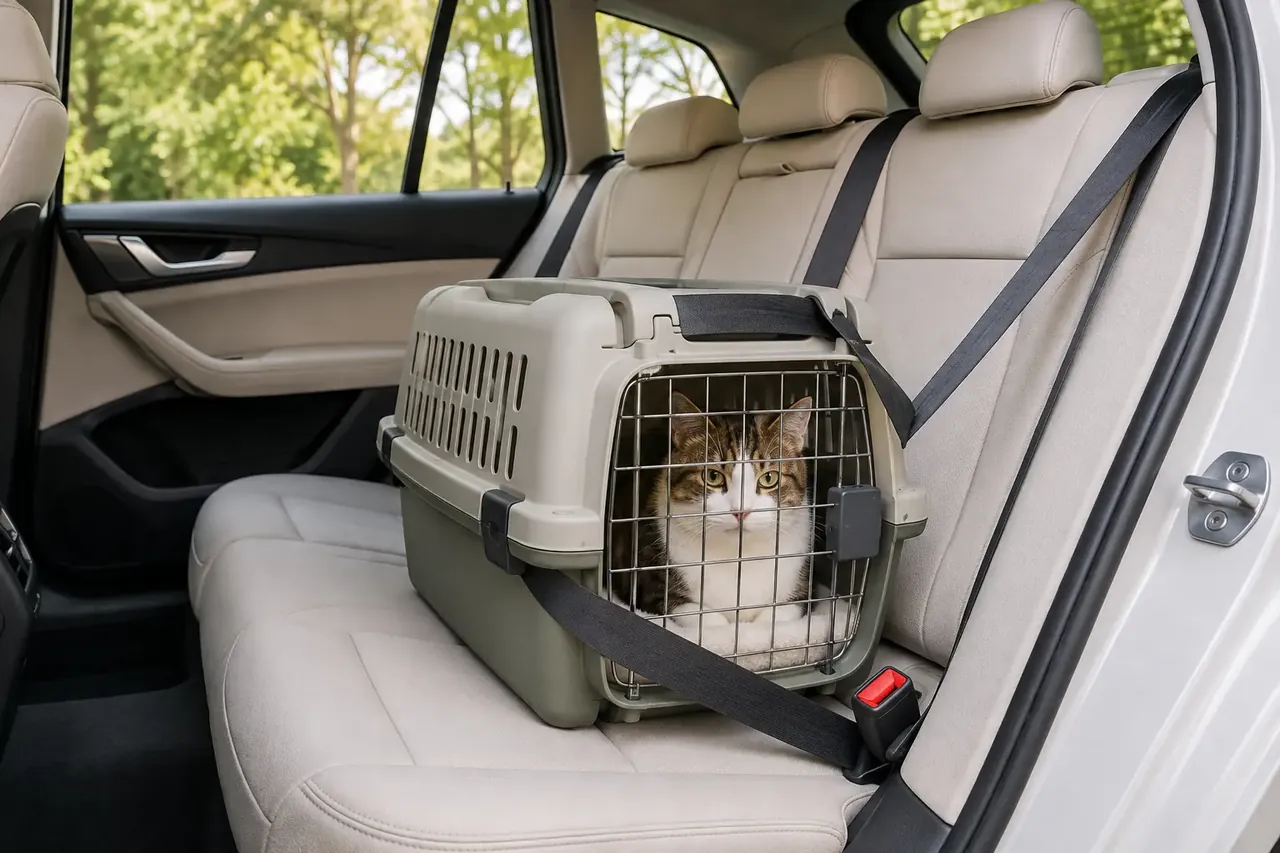 Topic illustration selected for this guide. Some learning images may be AI-assisted.
What to leave for a cat sitter — the quick answer
✓ A visitor may not know that a hidden cat, untouched meal or small litter change is unusual for this individual.
✓ List food amounts, medication, litter habits, hiding places, carrier location, veterinarian, emergency contact and daily update expectations.
✓ Authorise the sitter to seek urgent veterinary care and explain which signs must never wait.
The best sitter instructions include ordinary habits as well as emergency contacts.
Make the care routine easy to repeat
Specific written instructions help a sitter notice meaningful changes instead of guessing what is normal for your cat.

- 1Prepare one care station
Leave measured food, feeding tools, carrier location, clinic contacts and a concise written routine in an obvious place.
- 2Show the exact routine
Explain meal amounts, separate water locations and any medication only as directed by your veterinarian.
- 3Define the daily check
Ask for updates on eating, drinking, litter use and behaviour, plus clear instructions for when urgent veterinary help is needed.
The short answer
The best sitter instructions include ordinary habits as well as emergency contacts.
Why it may happen
A visitor may not know that a hidden cat, untouched meal or small litter change is unusual for this individual.
Read the whole situation
One behaviour rarely has one guaranteed meaning. Compare it with your cat’s age, health, posture, appetite, litter habits, environment and usual pattern before drawing a conclusion.
What to do now
List food amounts, medication, litter habits, hiding places, carrier location, veterinarian, emergency contact and daily update expectations.
What not to do
Avoid punishment, forced handling and sudden large changes. They can add fear while hiding the information that would help you understand the original cause.
When to contact a veterinarian
Authorise the sitter to seek urgent veterinary care and explain which signs must never wait.
Keep a useful record
Write down when it started, how often it happens and what immediately precedes and follows it. Photos, weights or short videos can make a veterinary or behaviour consultation more productive.
What to check first
Generic instructions leave dangerous gaps. The sitter needs measurable portions, medication technique, hiding places, escape risks and signs that are unusual for this specific cat.
DEEPER GUIDE1 more detailed sectionsOpen +
What to do next
Write one clear page, demonstrate care in advance and label supplies. Include the regular and emergency clinic, insurance details where relevant, transport plan and who can authorise treatment. Breathing trouble, collapse, seizures, toxin exposure, inability to urinate or serious injury requires immediate emergency action, not a text-and-wait approach.
Your quick checklist
Your progress is saved on this device.
Three simple things you can do
You do not have to change everything today. Pick one step that feels realistic, try it and see how your cat responds.
- 1Write exact food, medication, litter and door routines.
- 2Include veterinarian, emergency clinic and owner contact details.
- 3Demonstrate the cat's hiding places, carrier and normal behaviour.
Common mistakes
×Relying on verbal instructions only.
×Leaving doses described as one scoop without the actual measure.
×Omitting escape-prevention rules.
Questions cat people ask
What should cat-sitter instructions include?+
Daily tasks, amounts, timing, normal habits, warning signs, contacts, transport permission and the location of supplies and carrier.
How often should a sitter visit?+
Needs vary by age and health, but daily in-person care is a minimum for most healthy adults; many benefit from more frequent visits.
Still looking for the right answer?
Search the full EverYes Cats encyclopedia with your own words — a symptom, food, behaviour, breed or everyday question.
Checked, dated and transparent
- Prepared by
- EverYes Cats editorial team
- Last updated
- 14 August 2026
- Source checked
- 14 August 2026
- Primary reference
- Cats Protection ↗
We begin with the named reference, rewrite the information in plain language and add practical cat-parent steps. Urgent health statements are checked against veterinary sources. This guide has not been individually reviewed by a veterinarian unless explicitly stated. It provides education, not diagnosis or treatment.
Spotted something unclear or outdated? Tell us so we can review it.
Your answer helps us improve the cat encyclopedia.
A cat should stand, turn and lie naturally without being thrown around in excess space. A calm, practical guide to what it means and what to do next.