Should two cats share the same carrier?
Two cats should usually travel in separate correctly sized secure carriers. Individual carriers reduce combined-weight failure, overheating, conflict and delays if one cat needs separate care.
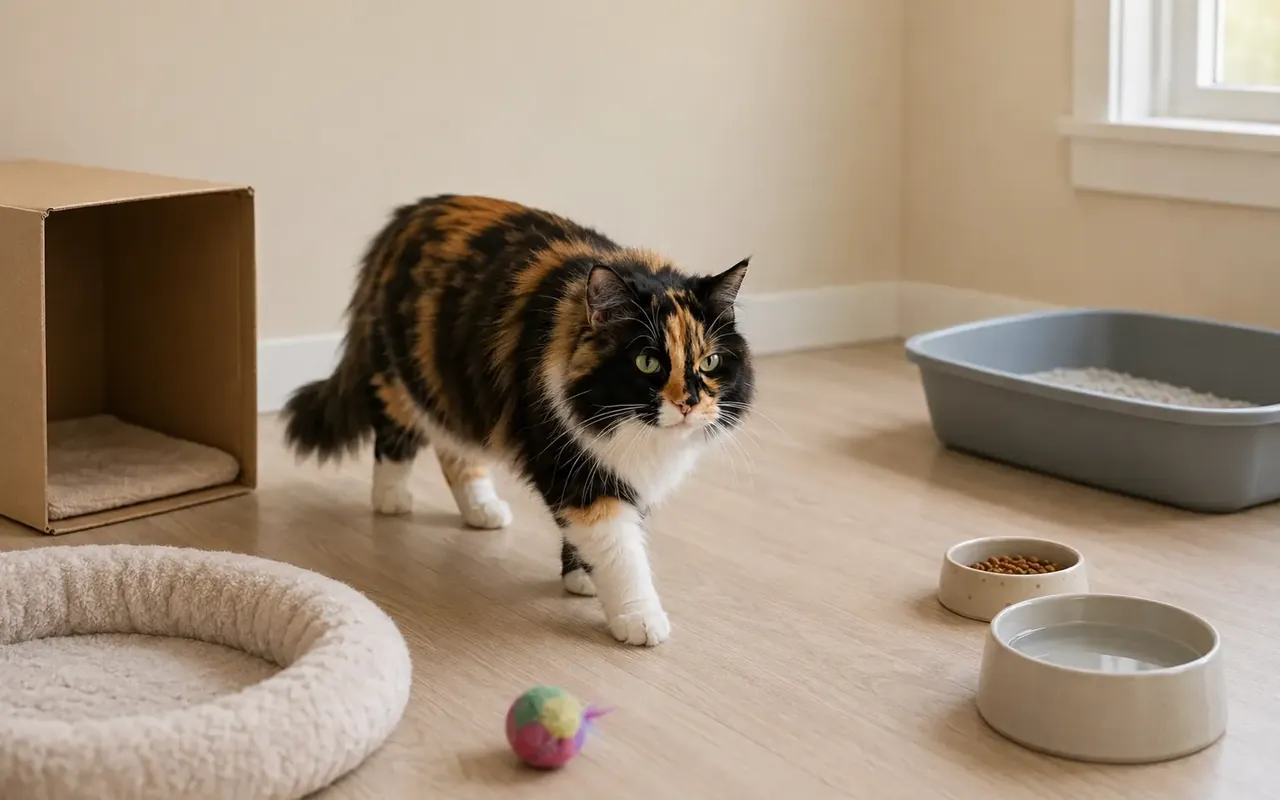 Topic illustration selected for this guide. Some learning images may be AI-assisted.
Should two cats share the same carrier — the quick answer
✓ Each cat generally needs an individual secure carrier for safe handling, transport and emergencies.
✓ Observe: Consider combined weight, conflict, medical needs and how the carrier will be moved.
✓ Try this: Train each cat with a separate correctly sized carrier.
Each cat generally needs an individual secure carrier for safe handling, transport and emergencies. The useful question is not only what the moment resembles, but whether it fits this cat’s normal pattern. Context, frequency, recovery and accompanying changes make the interpretation safer and more accurate.
Plan for each cat separately
Choose a carrier rated for the individual cat’s size and weight with secure fastenings, ventilation and a removable or accessible top. Label each carrier and keep both available for emergencies.
Do not rely on friendship
Cats that sleep together may react differently during noise, motion, pain or fear. One frightened cat can block ventilation, injure the other or make safe examination and evacuation harder.
Secure carriers for travel
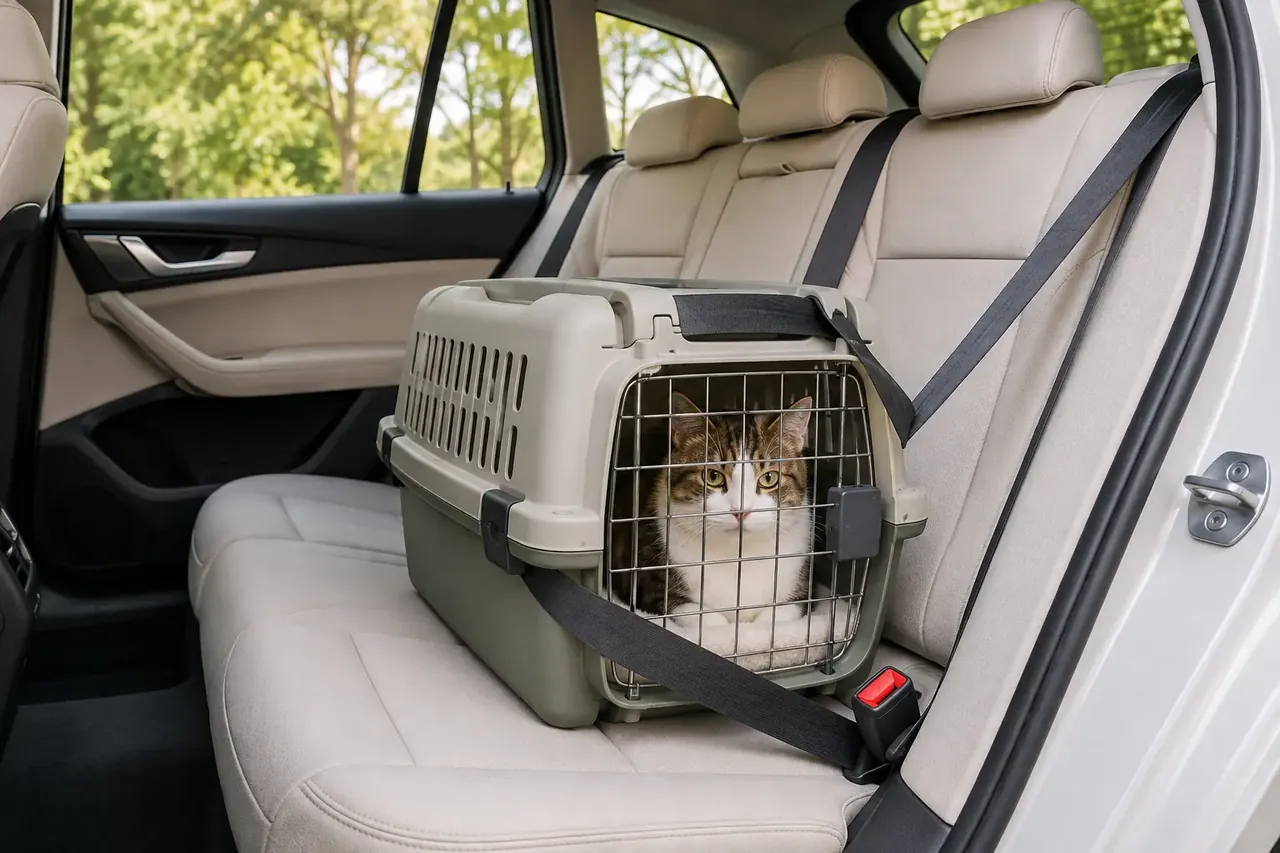
Follow the carrier and vehicle manufacturer’s restraint instructions, keep carriers away from airbags and unstable luggage and maintain a comfortable temperature. Never open a carrier at a roadside stop or unsecured doorway.
Train before the journey
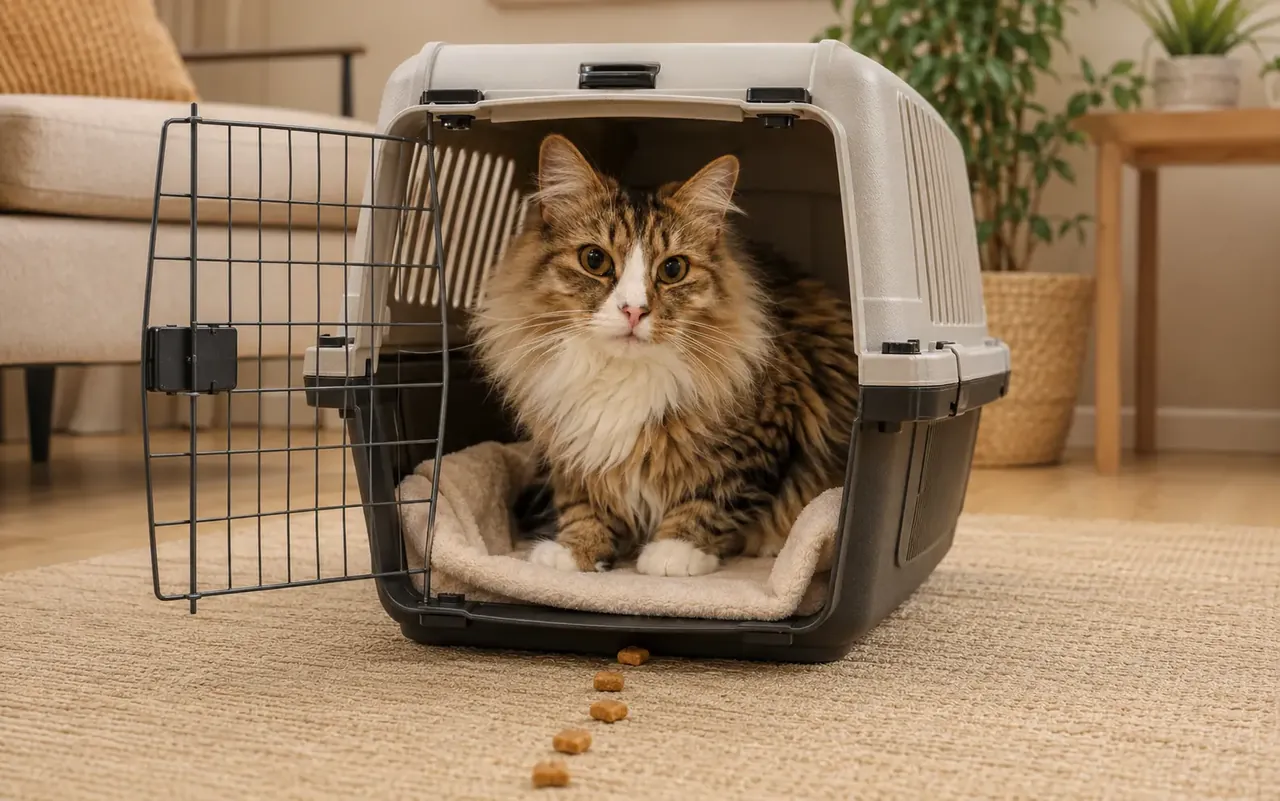
Leave each carrier open at home with familiar bedding and reward voluntary entry. Practise closing and brief movement separately. Ask a veterinarian about travel distress early rather than giving unprescribed sedatives.
When shared transport may be directed
Only use a combined setup when a veterinarian or qualified transport provider gives situation-specific instructions and the carrier is designed and rated for it. Breathing difficulty, collapse, overheating or injury during travel is urgent.
Your quick checklist
Loading saved progress…
Three simple things you can do
You do not have to change everything today. Pick one step that feels realistic, try it and see how your cat responds.
- 1Observe your cat’s individual baseline.
- 2Make one gentle change at a time.
- 3Ask a qualified professional when health or safety is involved.
Common mistakes
×Waiting for a dramatic symptom instead of noticing smaller changes from the cat’s normal routine.
×Changing several things at once, making it difficult to learn what actually helped.
×Treating general guidance as a substitute for advice from a veterinarian who knows the individual cat.
Questions cat people ask
Does every cat follow the same rule?+
No. Age, health, history, temperament and environment all change what works for an individual.
When should I seek professional help?+
Seek veterinary advice for sudden, persistent or concerning changes and urgent help for breathing difficulty, collapse, seizures, poisoning or urinary obstruction signs.
Still looking for the right answer?
Search the full EverYes Cats encyclopedia with your own words — a symptom, food, behaviour, breed or everyday question.
Checked, dated and transparent
- Prepared by
- EverYes Cats editorial team
- Last updated
- Source checked
- Primary reference
- Cats Protection: Travelling With Your Cat ↗
We begin with the named reference, rewrite the information in plain language and add practical cat-parent steps. Urgent health statements are checked against veterinary sources. This guide has not been individually reviewed by a veterinarian unless explicitly stated. It provides education, not diagnosis or treatment.
How we choose and use sources →
Spotted something unclear or outdated? Tell us so we can review it.
Loading your saved choice…
A secure hard-sided carrier is often easiest to stabilise, clean and open from the top, while a structured soft carrier may suit specific travel needs if it cannot collapse.
 01
 02
 05