Why Does My Cat Avoid the Litter Box After a New Bag of Litter?
A cat may avoid the litter box after a new bag because fragrance, texture, dust or formula changed—even when the packaging looks identical. Restore a familiar option promptly, but treat sudden avoidance as a health concern too because pain can begin at the same time.
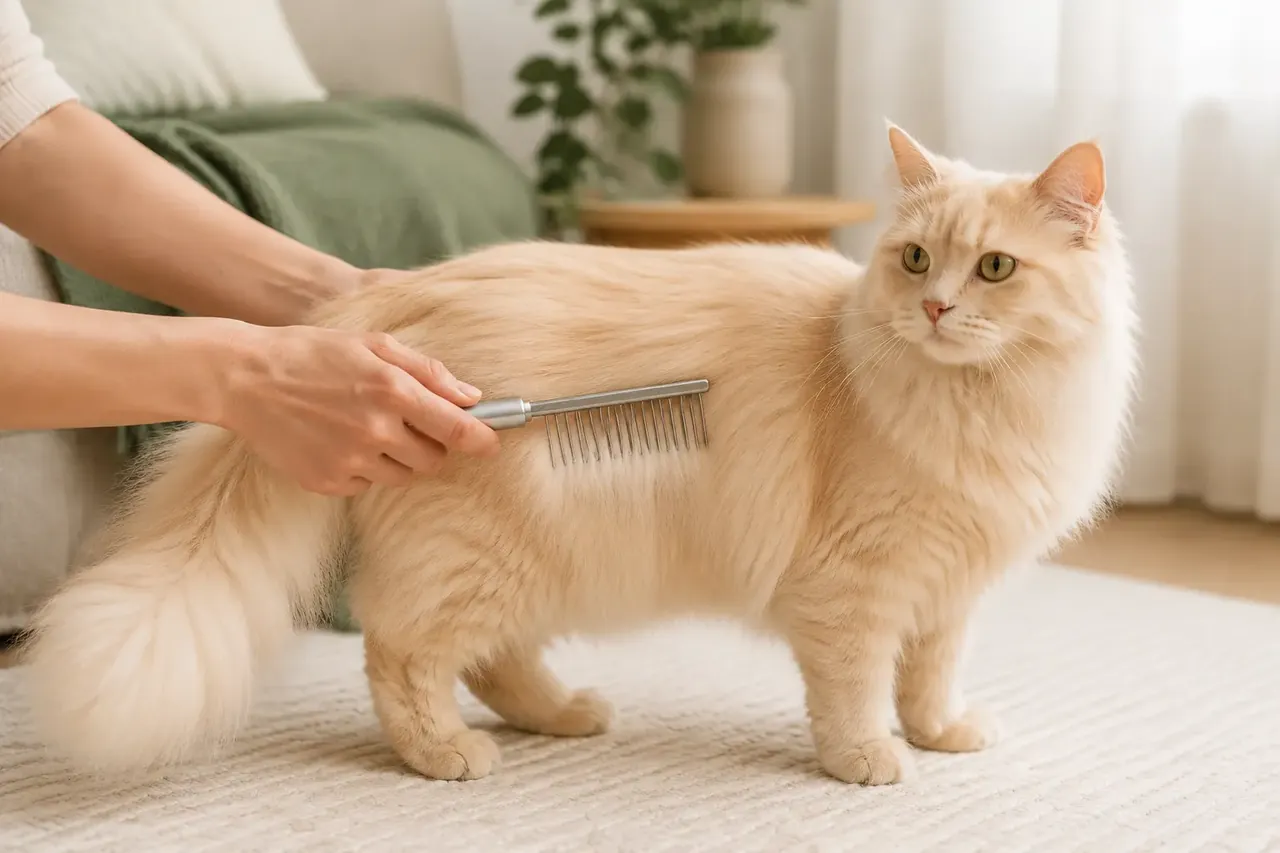
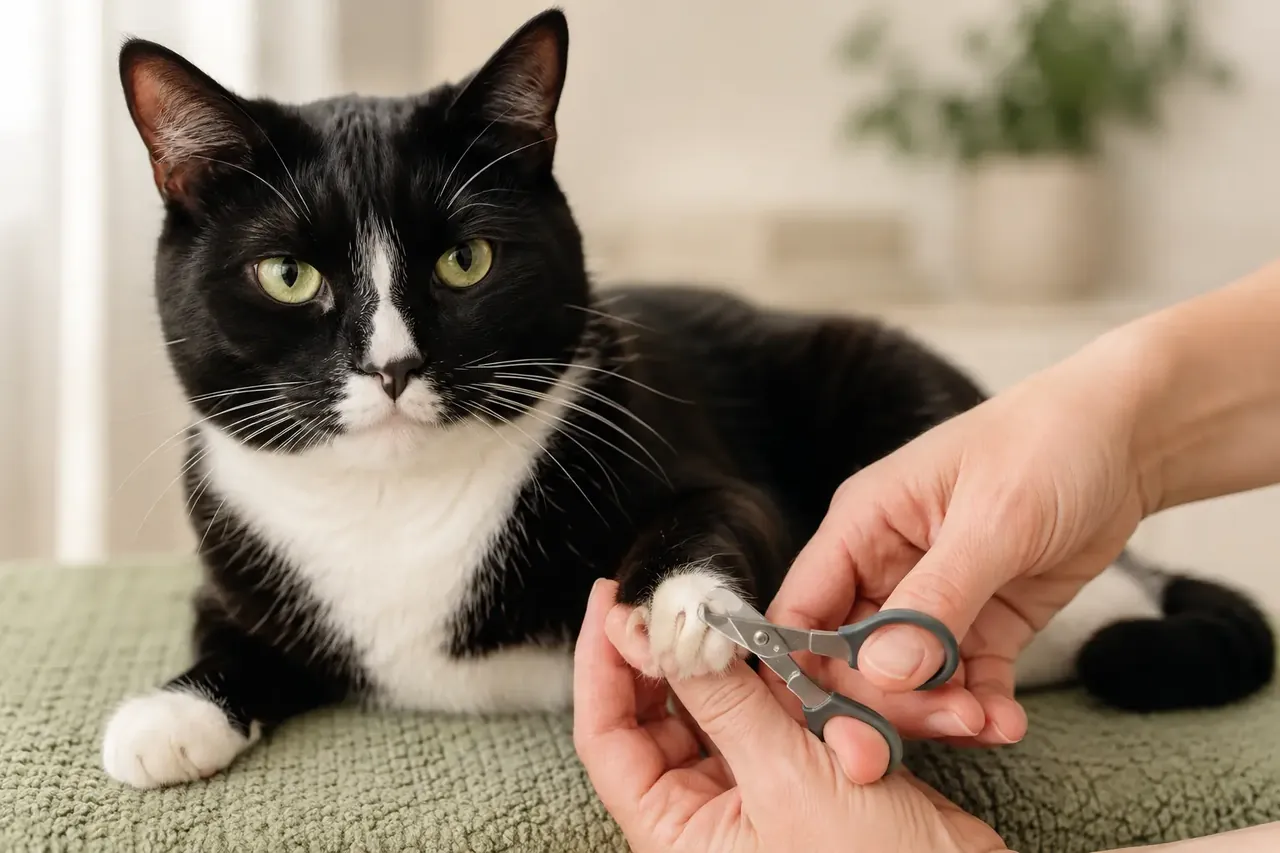 Topic illustration selected for this guide. Some learning images may be AI-assisted.
Why Does My Cat Avoid the Litter Box After a New Bag of Litter — the quick answer
✓ A formula, fragrance, texture or dust level can vary even when the packaging looks familiar.
✓ Restore the familiar litter when possible or transition gradually in a second box.
✓ Straining, no urine, pain or prolonged avoidance needs prompt veterinary care.
A formula, fragrance, texture or dust level can vary even when the packaging looks familiar. Start by comparing the pattern with your cat's normal routine and avoid force, punishment or untested home remedies.
Compare the old and new litter
Check granule size, scent, dust, colour, moisture and how firmly it clumps. Review the package for a revised formula or added fragrance and keep the lot details if you contact the manufacturer. Do not assume the cat is being stubborn; paws and smell can detect differences people miss.
Restore one familiar toilet option
If safe and available, place the previous accepted litter in a large clean box beside the new setup. Keep location, box style and cleaning routine unchanged so the litter is the only variable. If the old product is unavailable, choose the closest unscented texture and offer it separately.
Transition only after normal use returns
Once the cat toilets comfortably, change gradually in a second box or by mixing small increasing amounts when the cat accepts that method. Do not trap the cat with only the disliked litter, place it in the tray or wait through prolonged withholding of urine or stool to force acceptance.
Check the rest of the setup
A new bag may be coincidence. Inspect cleanliness, box size, entry height, covers, noise, closed doors and social blocking. Provide one box per cat plus one extra across separate locations and preserve an easy exit from each toilet area.
Clean accidents without adding fear
Use a surface-appropriate enzymatic cleaner and keep the area unavailable until dry. Avoid ammonia, strong perfume and punishment. When practical, a temporary box near the repeated accident can protect toilet access while health and preference causes are investigated.
When avoidance needs veterinary help
Arrange assessment for a sudden persistent change, pain, blood, constipation, diarrhoea, increased thirst or altered urine volume. Repeated attempts, crying, vomiting or passing little to no urine is an emergency, especially in a male cat. A litter transition must never delay care.
Your quick checklist
Loading saved progress…
Three simple things you can do
You do not have to change everything today. Pick one step that feels realistic, try it and see how your cat responds.
- 1Observe your cat’s individual baseline.
- 2Make one gentle change at a time.
- 3Ask a qualified professional when health or safety is involved.
Common mistakes
×Waiting for a dramatic symptom instead of noticing smaller changes from the cat’s normal routine.
×Changing several things at once, making it difficult to learn what actually helped.
×Treating general guidance as a substitute for advice from a veterinarian who knows the individual cat.
Questions cat people ask
Does every cat follow the same rule?+
No. Age, health, history, temperament and environment all change what works for an individual.
When should I seek professional help?+
Seek veterinary advice for sudden, persistent or concerning changes and urgent help for breathing difficulty, collapse, seizures, poisoning or urinary obstruction signs.
Still looking for the right answer?
Search the full EverYes Cats encyclopedia with your own words — a symptom, food, behaviour, breed or everyday question.
Checked, dated and transparent
- Prepared by
- EverYes Cats editorial team
- Last updated
- Source checked
- Primary reference
- FelineVMA/ISFM: House-Soiling Guidelines ↗
We begin with the named reference, rewrite the information in plain language and add practical cat-parent steps. Urgent health statements are checked against veterinary sources. This guide has not been individually reviewed by a veterinarian unless explicitly stated. It provides education, not diagnosis or treatment.
How we choose and use sources →
Spotted something unclear or outdated? Tell us so we can review it.
Loading your saved choice…
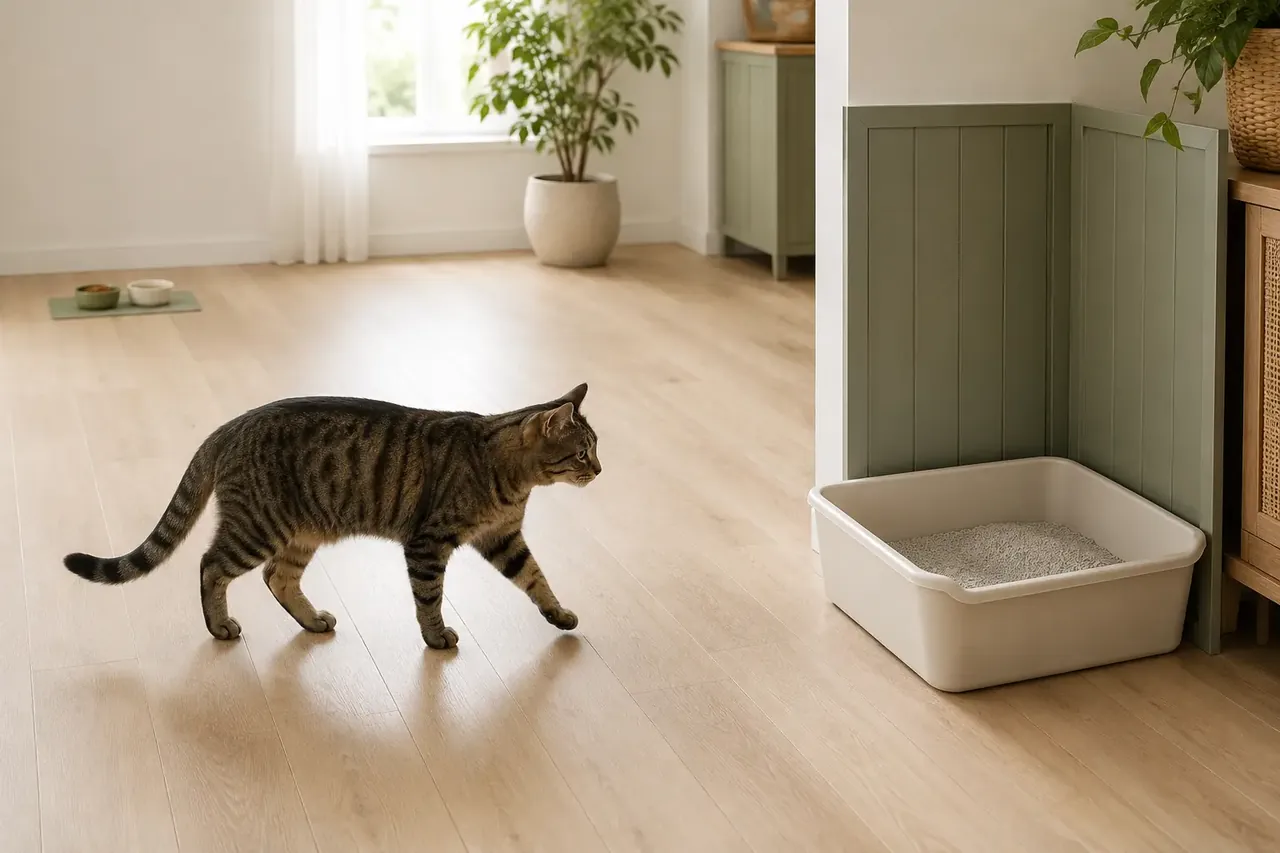
A good litter-box routine combines daily waste removal with periodic gentle cleaning. Strong fragrance and sudden changes can make a clean tray less acceptable to the cat.
 01
 02
 03
 05