Can cats eat chocolate?
Chocolate is unsafe for cats because cocoa contains the methylxanthines theobromine and caffeine. Call a veterinarian or animal poison service promptly after suspected ingestion rather than waiting for symptoms.
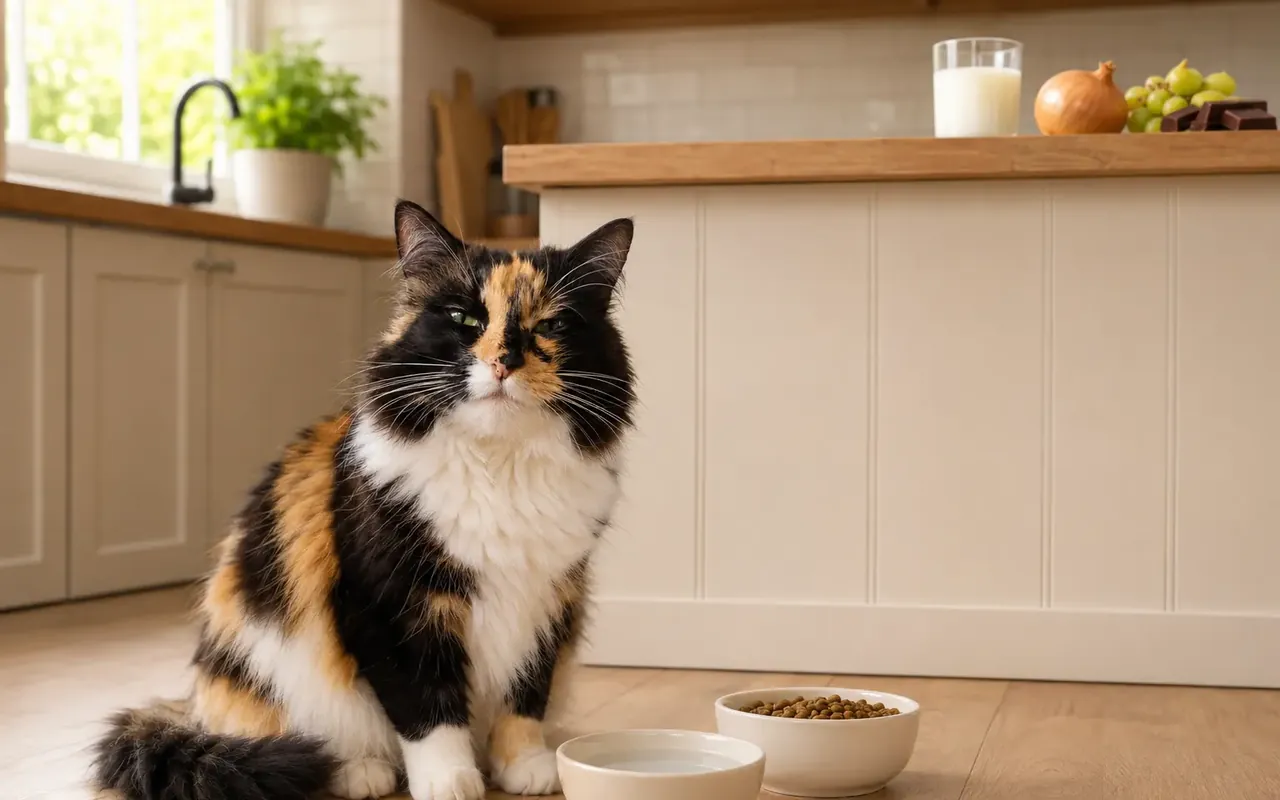 Topic illustration selected for this guide. Some learning images may be AI-assisted.
Chocolate is unsafe for cats because cocoa contains the methylxanthines theobromine and caffeine. Call a veterinarian or animal poison service promptly after suspected ingestion rather than waiting for symptoms.
Can cats eat chocolate — the quick answer
✓ Chocolate is toxic to cats and should be treated as a potential poisoning.
✓ Store all chocolate, cocoa and baked goods securely.
✓ Call a veterinarian or poison service immediately with the product, cocoa percentage, amount, time and cat's weight.
Chocolate is toxic to cats and should be treated as a potential poisoning. This practical guide explains portions, preparation, hidden ingredients and when to call a veterinarian.
The short answer
Do not offer chocolate in any form. Risk depends on the product, cocoa concentration, amount, time and cat's weight, so a wrapper and exact product name are more useful than guessing from the size of the missing piece.
Why chocolate is dangerous
Theobromine and caffeine can affect the digestive tract, heart and nervous system. Dark chocolate, baking chocolate and cocoa powder are generally more concentrated, but milk chocolate and chocolate foods may still require professional assessment.
Act before symptoms appear
Remove access, keep the wrapper, estimate the maximum amount and note the time. Call a veterinarian or animal poison service immediately for case-specific advice. Do not induce vomiting or give salt, peroxide, milk, oil or charcoal unless a veterinary professional directs you.
Check the whole product
Brownies, cookies, protein products and sweets can add caffeine, raisins, alcohol, xylitol, nuts, packaging or other hazards. Report every ingredient and whether foil, string or wrappers may also be missing.
Recognise urgent signs
Vomiting, restlessness, fast or irregular heartbeat, tremors, weakness, seizures, overheating, breathing difficulty or collapse requires emergency care. Early advice is safer than waiting for any of these signs to develop.
Your quick checklist
Loading saved progress…
Safer next steps
Prevention and a calm response matter more than a home remedy. Use these steps to reduce risk and know who to call after an exposure.
- 1Remove access and call a veterinarian or poison service immediately.
- 2Keep the wrapper and report type, cocoa percentage, amount, time and cat's weight.
- 3Store baking chocolate, cocoa and desserts in closed cupboards.
Common mistakes
×Waiting for vomiting or restlessness.
×Assuming white, milk and dark chocolate have identical risk.
×Trying to make the cat vomit at home.
Questions cat people ask
Why is chocolate dangerous for cats?+
Chocolate contains methylxanthines such as theobromine and caffeine, which can affect the heart, nervous system and digestion.
Is a lick of chocolate an emergency?+
Risk depends on type, amount and cat size. Call promptly for product-specific advice rather than guessing.
Still looking for the right answer?
Search the full EverYes Cats encyclopedia with your own words — a symptom, food, behaviour, breed or everyday question.
Checked, dated and transparent
- Prepared by
- EverYes Cats editorial team
- Last updated
- Source checked
- Primary reference
- ASPCA Animal Poison Control Center ↗
We begin with the named reference, rewrite the information in plain language and add practical cat-parent steps. Urgent health statements are checked against veterinary sources. This guide has not been individually reviewed by a veterinarian unless explicitly stated. It provides education, not diagnosis or treatment.
How we choose and use sources →
Spotted something unclear or outdated? Tell us so we can review it.
Loading your saved choice…
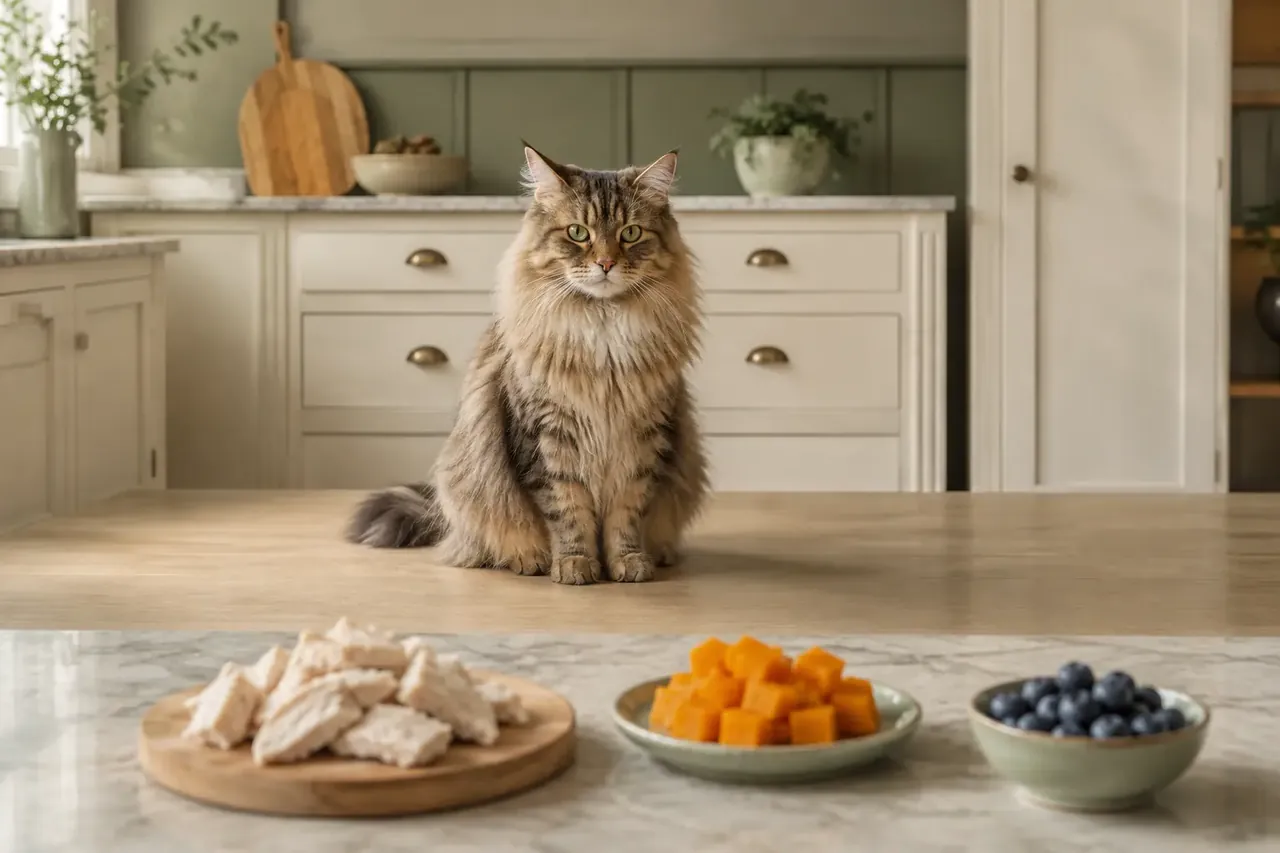
Plain fully cooked boneless turkey can be a small treat, but skin, gravy, stuffing, seasoning and cooked bones are unsafe.
 01
 02
 04
 05