Can cats eat bread?
A crumb of plain fully baked bread is usually low concern but nutritionally unnecessary. Raw yeast dough is dangerous because it can expand and produce alcohol inside the digestive tract.
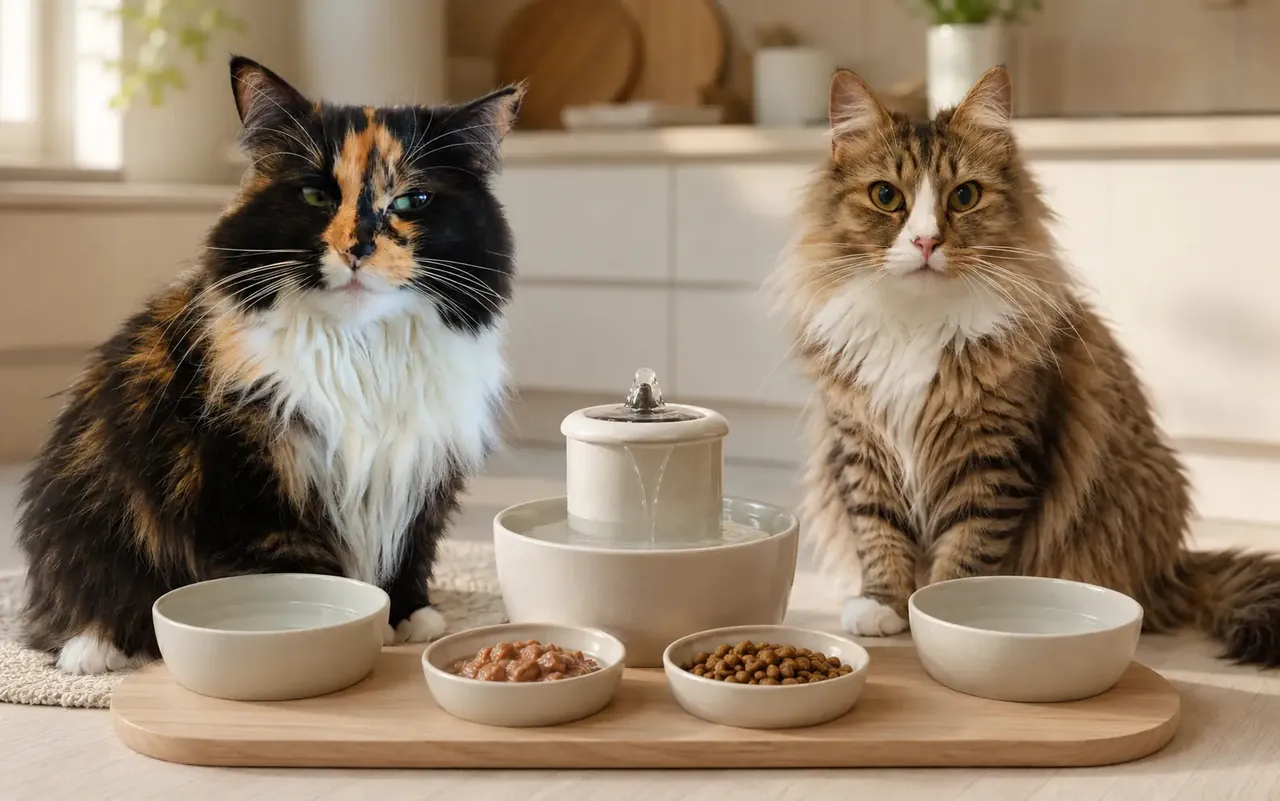
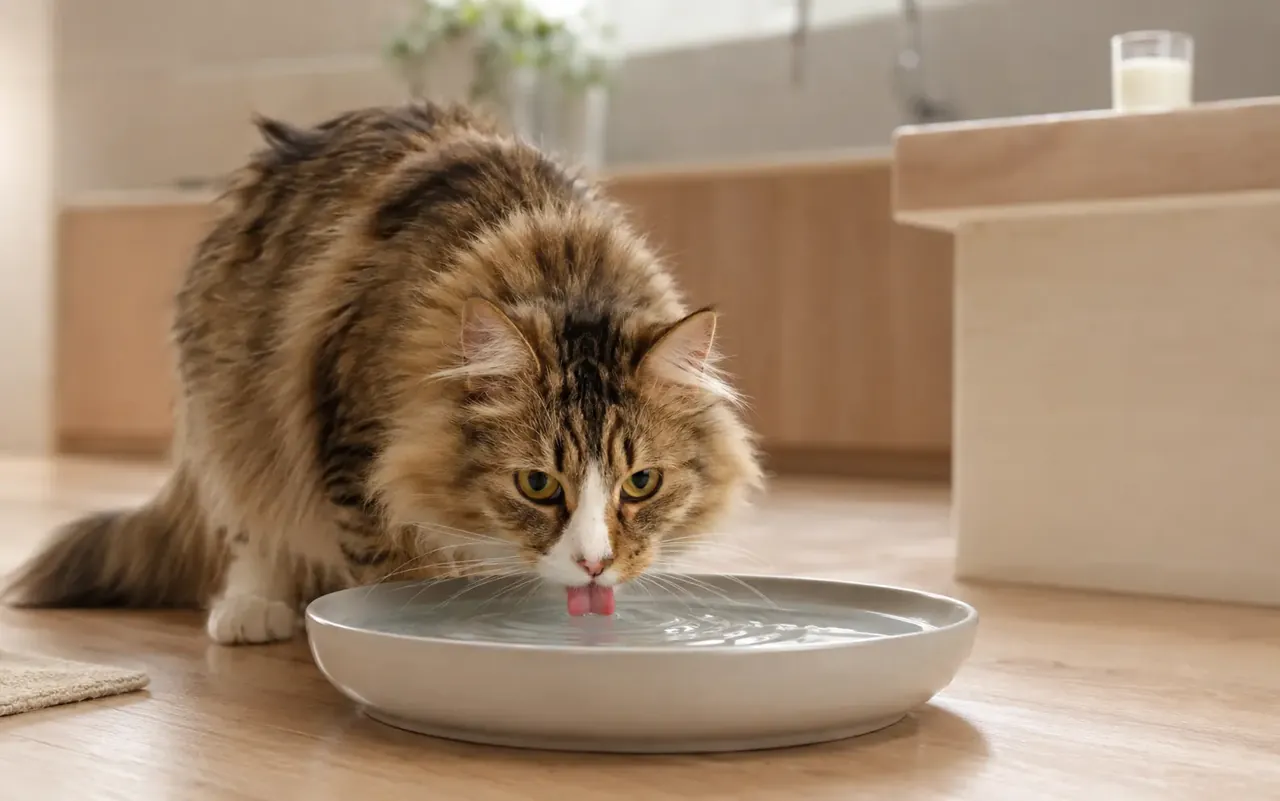 Topic illustration selected for this guide. Some learning images may be AI-assisted.
A crumb of plain fully baked bread is usually low concern but nutritionally unnecessary. Raw yeast dough is dangerous because it can expand and produce alcohol inside the digestive tract.
Can cats eat bread — the quick answer
✓ A tiny piece of plain baked bread is generally low risk, but offers little nutritional value.
✓ If offered, make it a pea-sized piece of plain fully baked bread.
✓ Raw dough, raisins, garlic or xylitol justify immediate professional advice.
A tiny piece of plain baked bread is generally low risk, but offers little nutritional value. This practical guide explains portions, preparation, hidden ingredients and when to call a veterinarian.
Separate baked bread from raw dough
A pea-sized piece of plain fully baked bread is different from raw rising dough. Cats do not need bread, so skipping it is simplest. Never allow access to a mixing bowl, proofing dough or discarded raw dough.
Why raw yeast dough is an emergency
Warm conditions in the stomach can allow dough to expand and yeast to produce ethanol. This can cause abdominal distension and alcohol poisoning. Call a veterinarian or animal poison service immediately rather than waiting for visible swelling.
Check every bread ingredient
Raisin bread, garlic bread, onion, chocolate, xylitol, alcohol flavouring, mould and heavy salt create separate risks. Packaging, twist ties and string may also be swallowed when a cat raids a bread bag.
If bread was already eaten
Identify whether it was fully baked, the complete ingredient list, amount and time. A tiny plain baked crumb may only require observation, but raw dough or a risky ingredient needs immediate professional advice. Do not induce vomiting.
Recognise urgent signs
A swollen or painful abdomen, repeated retching or vomiting, wobbliness, unusual sleepiness, weakness, low body temperature, breathing change, seizures or collapse requires emergency care.
Your quick checklist
Loading saved progress…
Three simple things you can do
You do not have to change everything today. Pick one step that feels realistic, try it and see how your cat responds.
- 1Prefer species-appropriate meat-based treats.
- 2If offered, use only a tiny piece of fully baked plain bread.
- 3Keep all raw yeast dough completely inaccessible.
Common mistakes
×Giving raw rising dough.
×Sharing bread with garlic, onion, raisins, chocolate or sweetener.
×Using bread to fill a cat instead of complete food.
Questions cat people ask
Can cats eat bread?+
A tiny piece of plain baked bread is unlikely to harm many healthy cats, but it offers little useful nutrition and adds calories.
Why is raw bread dough dangerous?+
Yeast dough can expand in the stomach and produce alcohol, creating a life-threatening emergency. Call a veterinarian immediately after exposure.
Still looking for the right answer?
Search the full EverYes Cats encyclopedia with your own words — a symptom, food, behaviour, breed or everyday question.
Checked, dated and transparent
- Prepared by
- EverYes Cats editorial team
- Last updated
- Source checked
- Primary reference
- ASPCA Animal Poison Control Center ↗
We begin with the named reference, rewrite the information in plain language and add practical cat-parent steps. Urgent health statements are checked against veterinary sources. This guide has not been individually reviewed by a veterinarian unless explicitly stated. It provides education, not diagnosis or treatment.
How we choose and use sources →
Spotted something unclear or outdated? Tell us so we can review it.
Loading your saved choice…
Plain fully cooked boneless turkey can be a small treat, but skin, gravy, stuffing, seasoning and cooked bones are unsafe.
 01
 02
 04
 05