Why cats seek out sunbeams
Cats often choose sunbeams for warmth and comfort, but they can still overheat or develop sun damage. Shade, water and the option to move away should always remain available.
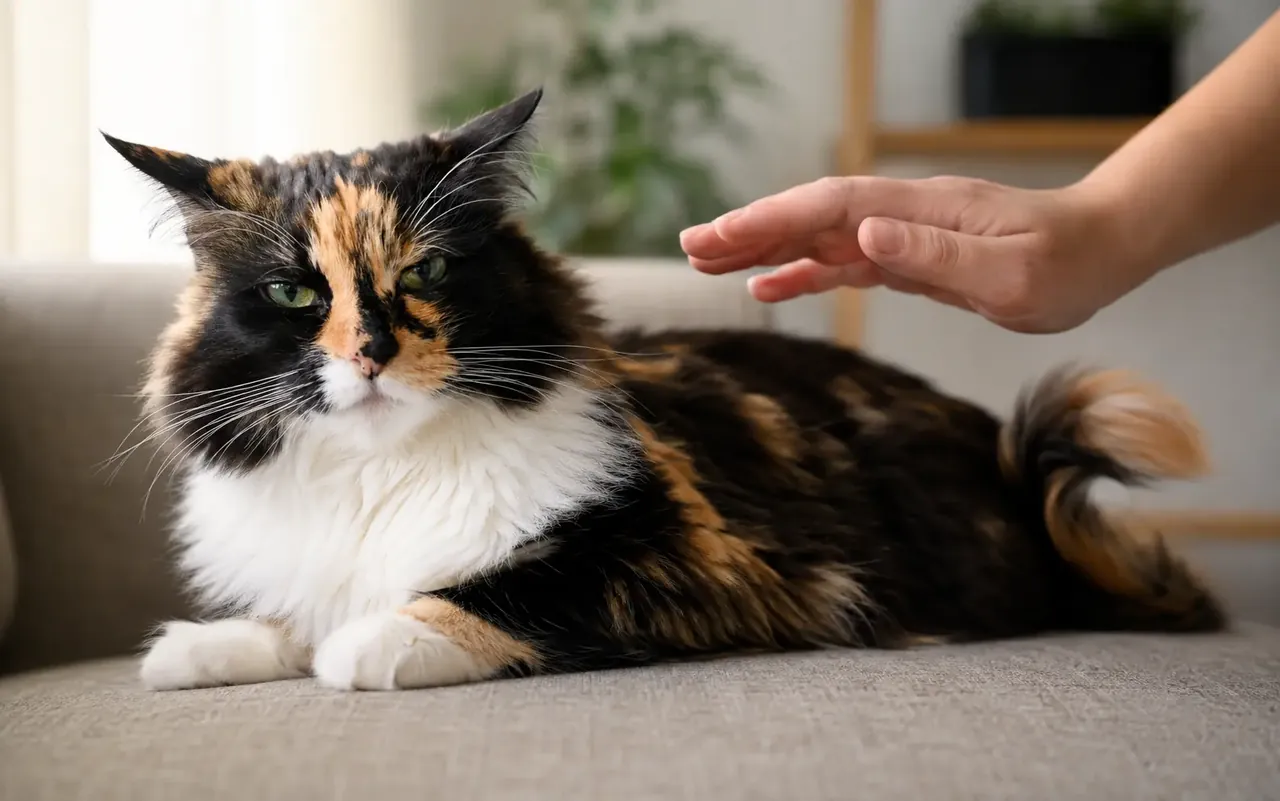 Topic illustration selected for this guide. Some learning images may be AI-assisted.
Why cats seek out sunbeams — the quick answer
✓ Cats commonly choose warmer resting zones than people find comfortable.
✓ Give access to shade, water and a cooler escape, and protect light skin from intense sun.
✓ New constant heat-seeking with weight or activity change deserves discussion.
Cats commonly choose warmer resting zones than people find comfortable. External warmth reduces the energy required to maintain body temperature during long rests. This guide keeps the fascinating detail while separating observation, evidence and internet exaggeration.
Why warmth is appealing
A sunny patch can reduce the effort needed to stay comfortably warm and may become part of a predictable daily routine. The attraction is usually about temperature, comfort and a secure resting location rather than a special need for direct sunlight.
Preserve choice
Keep fresh water nearby and make sure the cat can step into shade or a cooler room without being blocked. Never confine a cat in a sunny window, conservatory, parked vehicle or enclosed balcony where heat can rise quickly.
Watch temperature and surfaces
Check that window ledges are stable, screens are secure and dark surfaces are not hot enough to burn paws or skin. Kittens, seniors, flat-faced cats and cats with heart, lung or mobility problems may tolerate heat less well.
Protect vulnerable skin
White or lightly pigmented ears and noses can be vulnerable to sun damage. Ask a veterinarian about safe prevention rather than applying human sunscreen, which may contain ingredients unsuitable for licking.
Recognise heat illness
Move to a cooler safe area and seek urgent veterinary advice for panting, drooling, bright or very pale gums, vomiting, wobbliness, weakness or collapse. Do not use ice water or force drinking unless the clinic directs it.
Your quick checklist
Loading saved progress…
Three simple things you can do
You do not have to change everything today. Pick one step that feels realistic, try it and see how your cat responds.
- 1Observe your cat’s individual baseline.
- 2Make one gentle change at a time.
- 3Ask a qualified professional when health or safety is involved.
Common mistakes
×Waiting for a dramatic symptom instead of noticing smaller changes from the cat’s normal routine.
×Changing several things at once, making it difficult to learn what actually helped.
×Treating general guidance as a substitute for advice from a veterinarian who knows the individual cat.
Questions cat people ask
Does every cat follow the same rule?+
No. Age, health, history, temperament and environment all change what works for an individual.
When should I seek professional help?+
Seek veterinary advice for sudden, persistent or concerning changes and urgent help for breathing difficulty, collapse, seizures, poisoning or urinary obstruction signs.
Still looking for the right answer?
Search the full EverYes Cats encyclopedia with your own words — a symptom, food, behaviour, breed or everyday question.
Checked, dated and transparent
- Prepared by
- EverYes Cats editorial team
- Last updated
- Source checked
- Primary reference
- Cornell Feline Health Center ↗
We begin with the named reference, rewrite the information in plain language and add practical cat-parent steps. Urgent health statements are checked against veterinary sources. This guide has not been individually reviewed by a veterinarian unless explicitly stated. It provides education, not diagnosis or treatment.
How we choose and use sources →
Spotted something unclear or outdated? Tell us so we can review it.
Loading your saved choice…
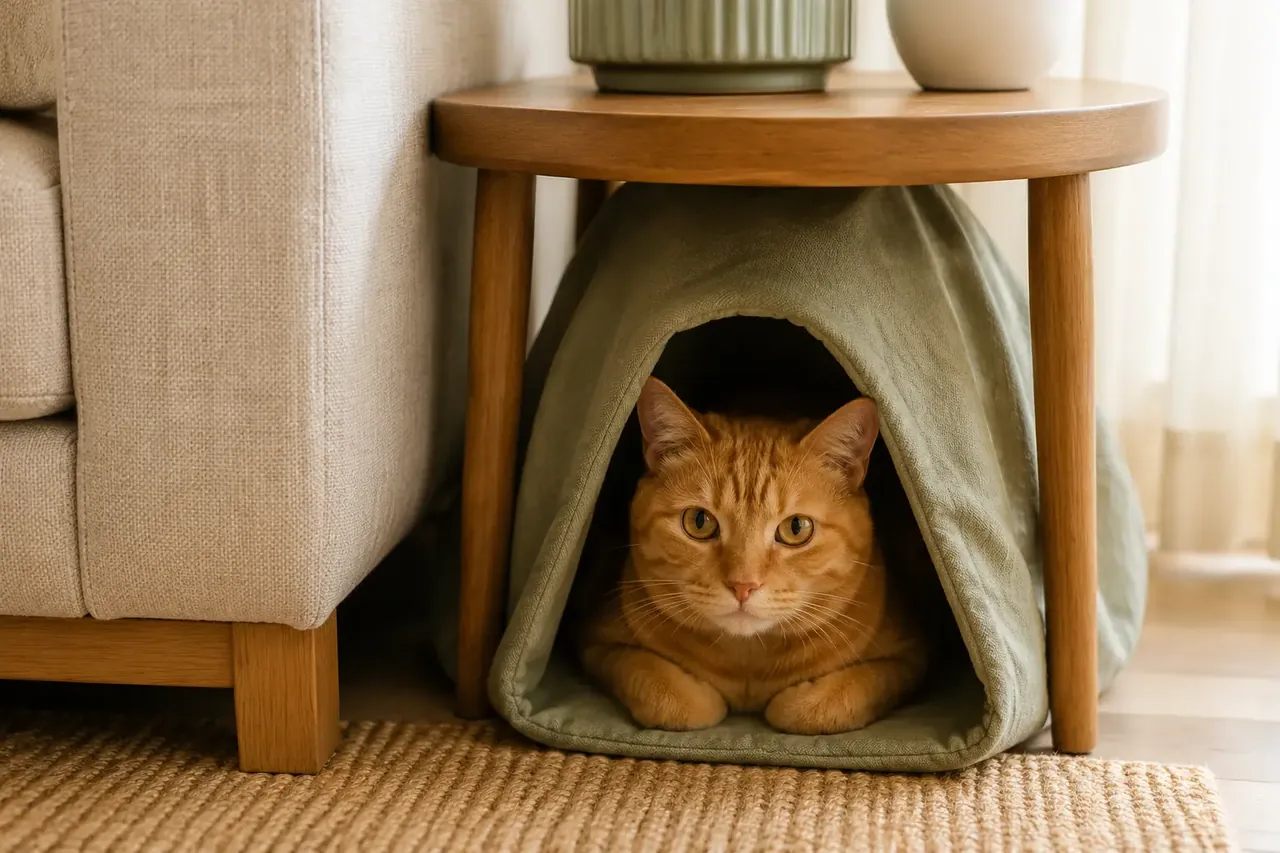
Blankets provide warmth, darkness and a sheltered den-like space.
 01
 02
 03
 04