Why do a cat's pupils get huge during play?
Pupils widen with low light and with arousal during exciting hunting-style play.
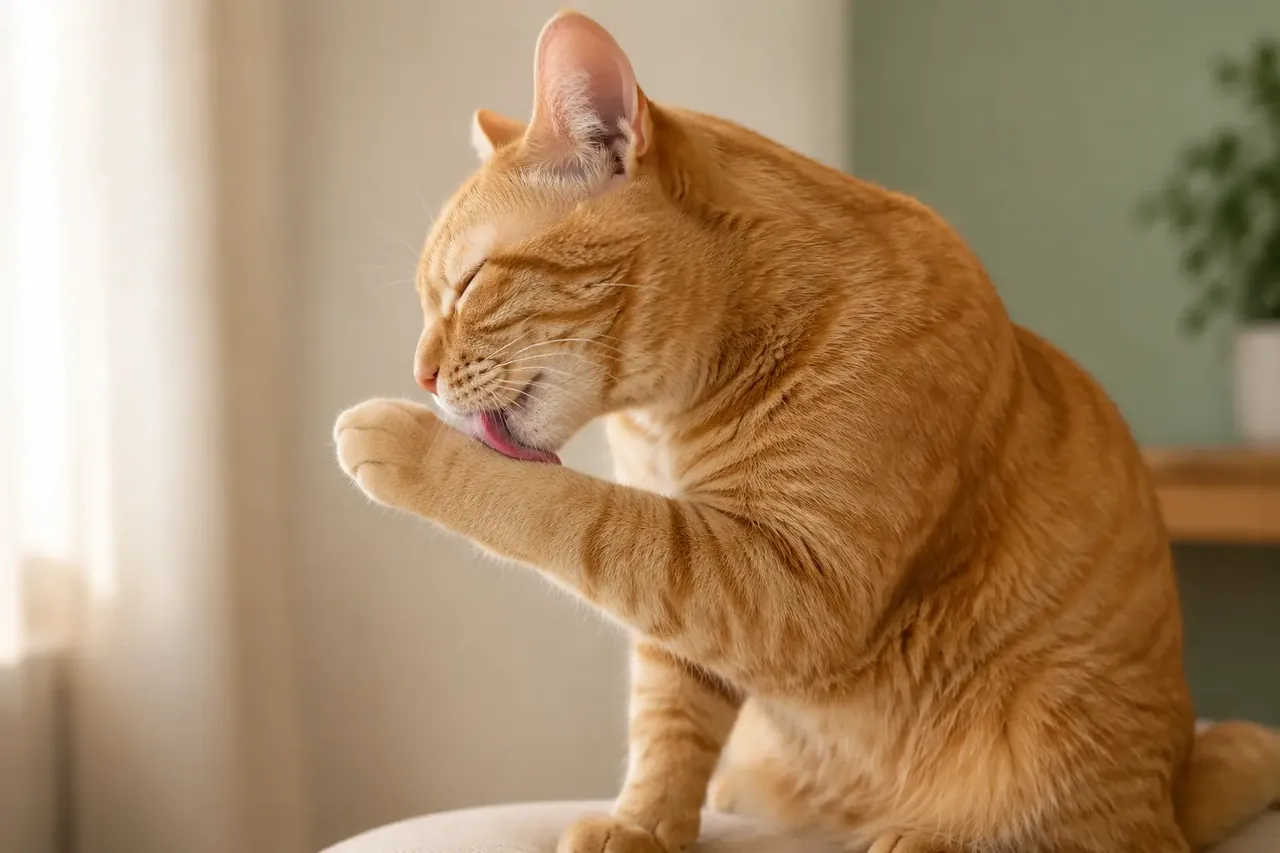 Topic illustration selected for this guide. Some learning images may be AI-assisted.
Why do a cat's pupils get huge during play — the quick answer
✓ Pupils widen with low light and with arousal during exciting hunting-style play.
✓ Pause before arousal becomes frantic and finish with a catch and calm reward.
✓ Unequal pupils or pupils that stay abnormal in consistent light require veterinary care.
Pupils widen with low light and with arousal during exciting hunting-style play. Large pupils alone cannot distinguish fun, fear and aggression; ears, tail, muscles and context complete the picture. Here is the useful version of the answer: how it works, what to monitor and when a physical change deserves veterinary attention.
The short answer
Pupils widen with low light and with arousal during exciting hunting-style play. Normal appearance varies between cats, so compare with your cat's own baseline and pay attention to changes that persist.
How it works
Large pupils alone cannot distinguish fun, fear and aggression; ears, tail, muscles and context complete the picture. Age, genetics, pigmentation, anatomy, health and environment can all affect what you see, which is why context matters.
What to check
Compare both sides where relevant and look for pain, swelling, discharge, bleeding, cloudiness, altered movement, appetite change or a difference from clear earlier photographs. One feature is more useful when considered with the cat's overall comfort and routine.
What to do at home
Pause before arousal becomes frantic and finish with a catch and calm reward. Avoid forcing a repeat for a photo or testing a viral claim. The most cat-friendly response gives choice, protects safety and rewards calm alternatives.
What this does not tell you
Appearance alone cannot diagnose a medical condition or prove that a cat is healthy. Online photographs and general rules cannot replace an examination when a physical change is new, painful or persistent.
When to contact a veterinarian
Unequal pupils or pupils that stay abnormal in consistent light require veterinary care. Seek faster help for breathing difficulty, collapse, seizures, major trauma, suspected poisoning, severe pain or repeated unsuccessful attempts to urinate.
Your quick checklist
Your progress is saved on this device.
Three simple things you can do
You do not have to change everything today. Pick one step that feels realistic, try it and see how your cat responds.
- 1Judge pupils in the current light and read them with ears, tail, posture and the ability to pause.
- 2Slow the toy and add a catch before play becomes frantic or redirected toward people.
- 3Compare both pupils after the cat settles in even light and seek advice if they remain unequal.
Common mistakes
×Assuming large pupils always mean happy excitement.
×Escalating play until the cat cannot disengage or begins biting hands.
×Ignoring unequal pupils because the cat was recently active.
Questions cat people ask
Why do my cat's pupils become huge before a pounce?+
Low light and rising arousal can both widen pupils, helping explain the dramatic look during hunting-style play. The rest of the body shows whether the cat remains comfortably engaged.
When are large pupils a veterinary concern?+
Seek prompt advice for unequal pupils, a sudden persistent change, eye pain, cloudiness, vision difficulty or enlarged pupils accompanied by weakness, disorientation or trauma.
Still looking for the right answer?
Search the full EverYes Cats encyclopedia with your own words — a symptom, food, behaviour, breed or everyday question.
Checked, dated and transparent
- Prepared by
- EverYes Cats editorial team
- Last updated
- 8 August 2026
- Source checked
- 8 August 2026
- Primary reference
- International Cat Care ↗
We begin with the named reference, rewrite the information in plain language and add practical cat-parent steps. Urgent health statements are checked against veterinary sources. This guide has not been individually reviewed by a veterinarian unless explicitly stated. It provides education, not diagnosis or treatment.
Spotted something unclear or outdated? Tell us so we can review it.
Your answer helps us improve the cat encyclopedia.
Polydactyl cats are born with more than the usual number of toes because of an inherited developmental variation.