How cats see colour and darkness
Cats are adapted for movement detection and vision in dim light, while people generally see finer detail and a richer colour range in daylight. Feline vision is different—not simply a sharper human picture with fewer colours.
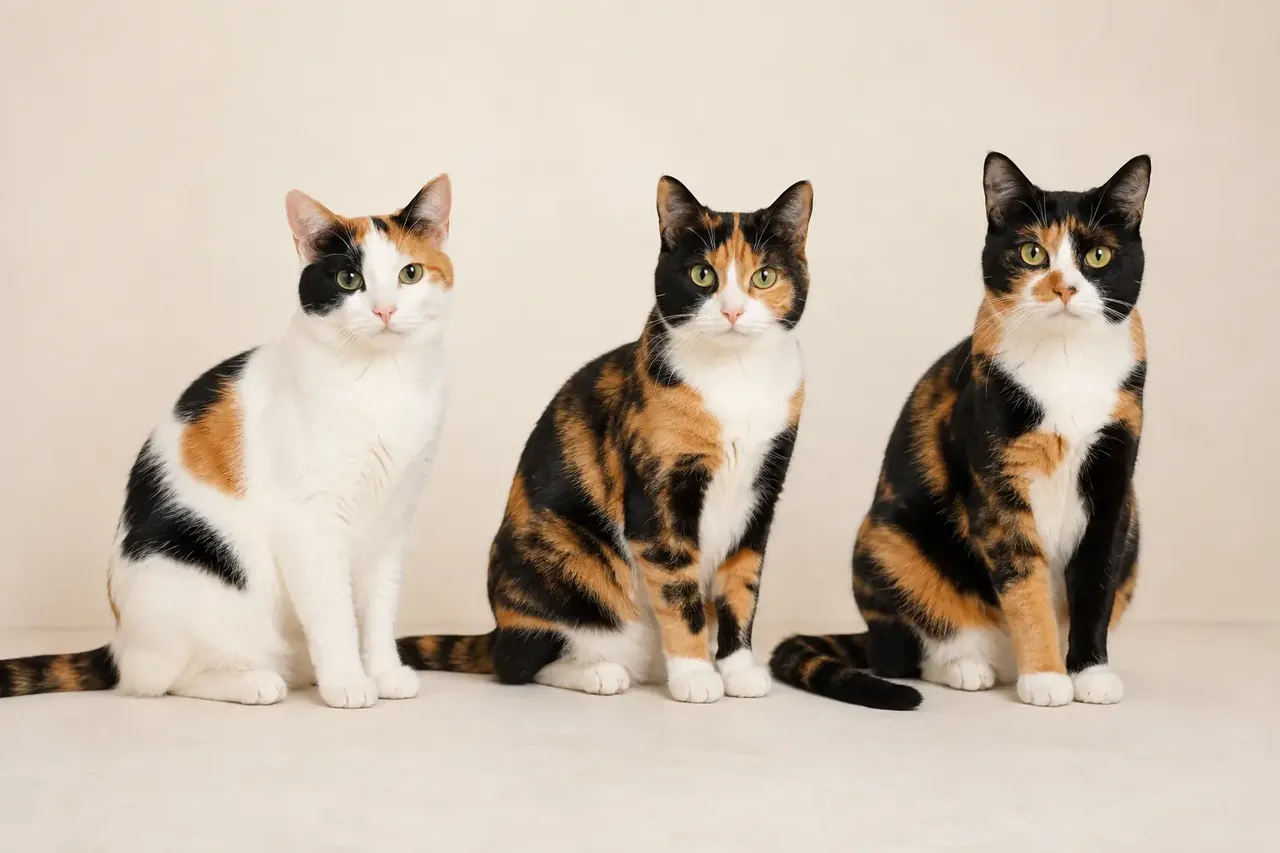
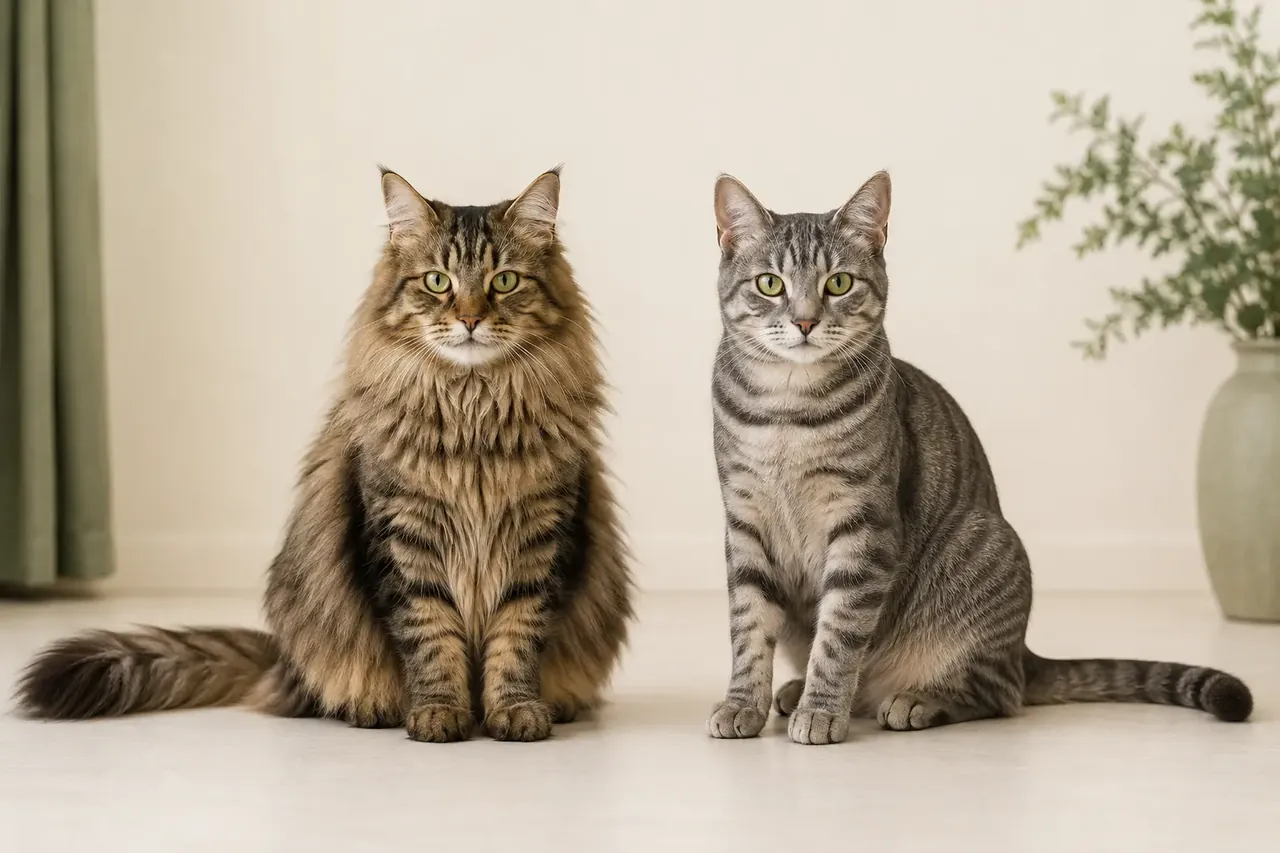
 Topic illustration selected for this guide. Some learning images may be AI-assisted.
How cats see colour and darkness — the quick answer
✓ Cats cannot see in complete darkness
✓ Low-light sensitivity trades off against fine detail
✓ Blue and yellow differences may be more visible than red
✓ Sudden vision change needs urgent assessment
Cats are adapted to hunt in dim light. Their eyes gather light efficiently and detect motion well, but they still need some light and do not see the same colour range or sharp detail humans do.
Built to use scarce light
Large pupils admit light, many rod cells support low-light sensitivity and the tapetum lucidum reflects light back through the retina. These features help at dawn, dusk and indoors, but cats still cannot see in complete darkness.
Which colours cats can distinguish
Evidence suggests cats discriminate blue and yellow-related wavelengths better than red and green distinctions. Colour is only one part of recognition; brightness, contrast, outline, movement, sound and scent may be more useful.
The trade-off in fine detail
A visual system tuned for dim light and motion does not match normal human daylight sharpness. A cat may detect a small moving object quickly while missing a stationary item that blends into its background.
Design for feline vision
Use contrast between floors, steps and resources, provide gentle lighting on essential night routes and keep landing areas uncluttered. Toys that move like prey often engage better than relying on colour alone.
Vision warning signs
Bumping into objects, missing jumps, new fear in dim rooms, persistent wide pupils, unequal pupils, cloudiness or eye pain warrants veterinary attention. Sudden vision loss requires urgent advice.
Your quick checklist
Loading saved progress…
Three simple things you can do
You do not have to change everything today. Pick one step that feels realistic, try it and see how your cat responds.
- 1Use gentle night lighting for older cats and around important routes.
- 2Add clear contrast at steps, litter-box entrances and food or water stations.
- 3Keep furniture predictable when vision is reduced and compare both pupils regularly.
Common mistakes
×Assuming cats can see in complete darkness.
×Using colour alone when contrast, texture, scent and location are stronger cues.
×Waiting after sudden disorientation, wide unequal pupils or apparent blindness.
Questions cat people ask
Can cats see in total darkness?+
No. Their eyes use limited light very efficiently, but they still need some light to see.
What colours can cats see?+
Cats are thought to distinguish blue and yellow differences better than a rich human red–green range. Movement, brightness and contrast also matter greatly.
Still looking for the right answer?
Search the full EverYes Cats encyclopedia with your own words — a symptom, food, behaviour, breed or everyday question.
Checked, dated and transparent
- Prepared by
- EverYes Cats editorial team
- Last updated
- Source checked
- Primary reference
- Merck Veterinary Manual ↗
We begin with the named reference, rewrite the information in plain language and add practical cat-parent steps. Urgent health statements are checked against veterinary sources. This guide has not been individually reviewed by a veterinarian unless explicitly stated. It provides education, not diagnosis or treatment.
How we choose and use sources →
Spotted something unclear or outdated? Tell us so we can review it.
Loading your saved choice…
Cats cannot see in complete darkness, but they use low light far better than people because of eye structure adapted for dawn, dusk and movement.
 01
 02
 04
 05