Why can a cat's nose change colour?
Blood flow, temperature and excitement can make some noses look temporarily lighter or darker.
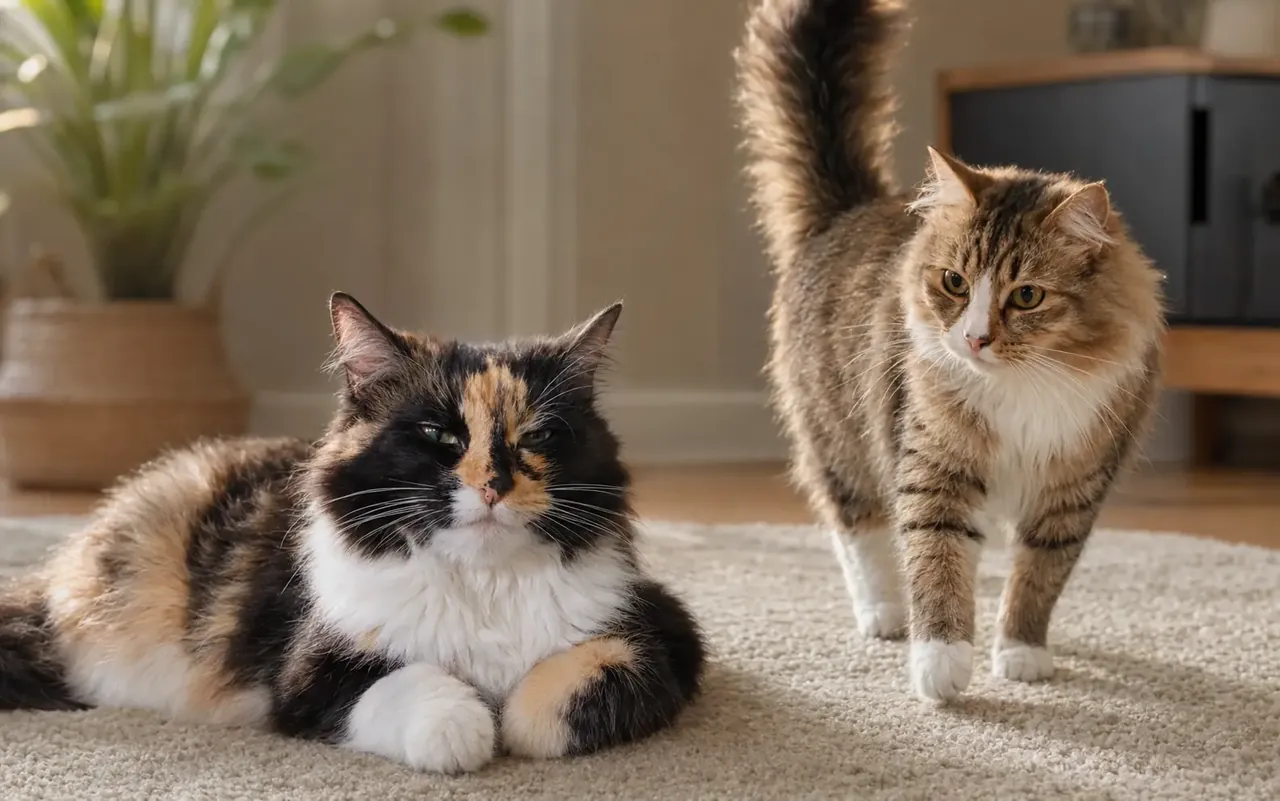 Topic illustration selected for this guide. Some learning images may be AI-assisted.
Why can a cat's nose change colour — the quick answer
✓ Blood flow, temperature and excitement can make some noses look temporarily lighter or darker.
✓ Compare in similar light and photograph only if it helps track a persistent change.
✓ Paleness, blue colour, bleeding, crusting or breathing difficulty needs urgent advice.
Blood flow, temperature and excitement can make some noses look temporarily lighter or darker. Pigmentation also varies naturally, but a lasting new change needs context. Here is the useful version of the answer: how it works, what to monitor and when a physical change deserves veterinary attention.
The short answer
Blood flow, temperature and excitement can make some noses look temporarily lighter or darker. Normal appearance varies between cats, so compare with your cat's own baseline and pay attention to changes that persist.
How it works
Pigmentation also varies naturally, but a lasting new change needs context. Age, genetics, pigmentation, anatomy, health and environment can all affect what you see, which is why context matters.
What to check
Compare both sides where relevant and look for pain, swelling, discharge, bleeding, cloudiness, altered movement, appetite change or a difference from clear earlier photographs. One feature is more useful when considered with the cat's overall comfort and routine.
What to do at home
Compare in similar light and photograph only if it helps track a persistent change. Avoid forcing a repeat for a photo or testing a viral claim. The most cat-friendly response gives choice, protects safety and rewards calm alternatives.
What this does not tell you
Appearance alone cannot diagnose a medical condition or prove that a cat is healthy. Online photographs and general rules cannot replace an examination when a physical change is new, painful or persistent.
When to contact a veterinarian
Paleness, blue colour, bleeding, crusting or breathing difficulty needs urgent advice. Seek faster help for breathing difficulty, collapse, seizures, major trauma, suspected poisoning, severe pain or repeated unsuccessful attempts to urinate.
Your quick checklist
Your progress is saved on this device.
Three simple things you can do
You do not have to change everything today. Pick one step that feels realistic, try it and see how your cat responds.
- 1Compare the nose in similar natural light after the cat has rested at a comfortable temperature.
- 2Photograph a persistent change with the date so progression is easier to show a veterinarian.
- 3Check breathing, gums, energy, appetite and the nose surface rather than judging colour alone.
Common mistakes
×Diagnosing circulation or oxygen problems from one photograph.
×Comparing colours under different lighting and filters.
×Waiting on a pale, blue or injured nose when breathing or general condition has changed.
Questions cat people ask
Why does my cat's pink nose get darker after play?+
Exercise, warmth and excitement can temporarily change blood flow and make some noses appear deeper pink. It should settle with the cat and be interpreted with overall condition.
What nose colour change is urgent?+
A blue or very pale appearance, especially with breathing difficulty, weakness or pale gums, needs urgent advice. Bleeding, sores, crusting or a lasting new pigment change also deserves examination.
Still looking for the right answer?
Search the full EverYes Cats encyclopedia with your own words — a symptom, food, behaviour, breed or everyday question.
Checked, dated and transparent
- Prepared by
- EverYes Cats editorial team
- Last updated
- 8 August 2026
- Source checked
- 8 August 2026
- Primary reference
- Cornell Feline Health Center ↗
We begin with the named reference, rewrite the information in plain language and add practical cat-parent steps. Urgent health statements are checked against veterinary sources. This guide has not been individually reviewed by a veterinarian unless explicitly stated. It provides education, not diagnosis or treatment.
Spotted something unclear or outdated? Tell us so we can review it.
Your answer helps us improve the cat encyclopedia.
Polydactyl cats are born with more than the usual number of toes because of an inherited developmental variation.