Why does my cat ignore its name?
A cat may recognise its name yet choose not to respond because it is resting, focused, uncertain or expecting an unwanted event. Ignoring is not automatically stubbornness.
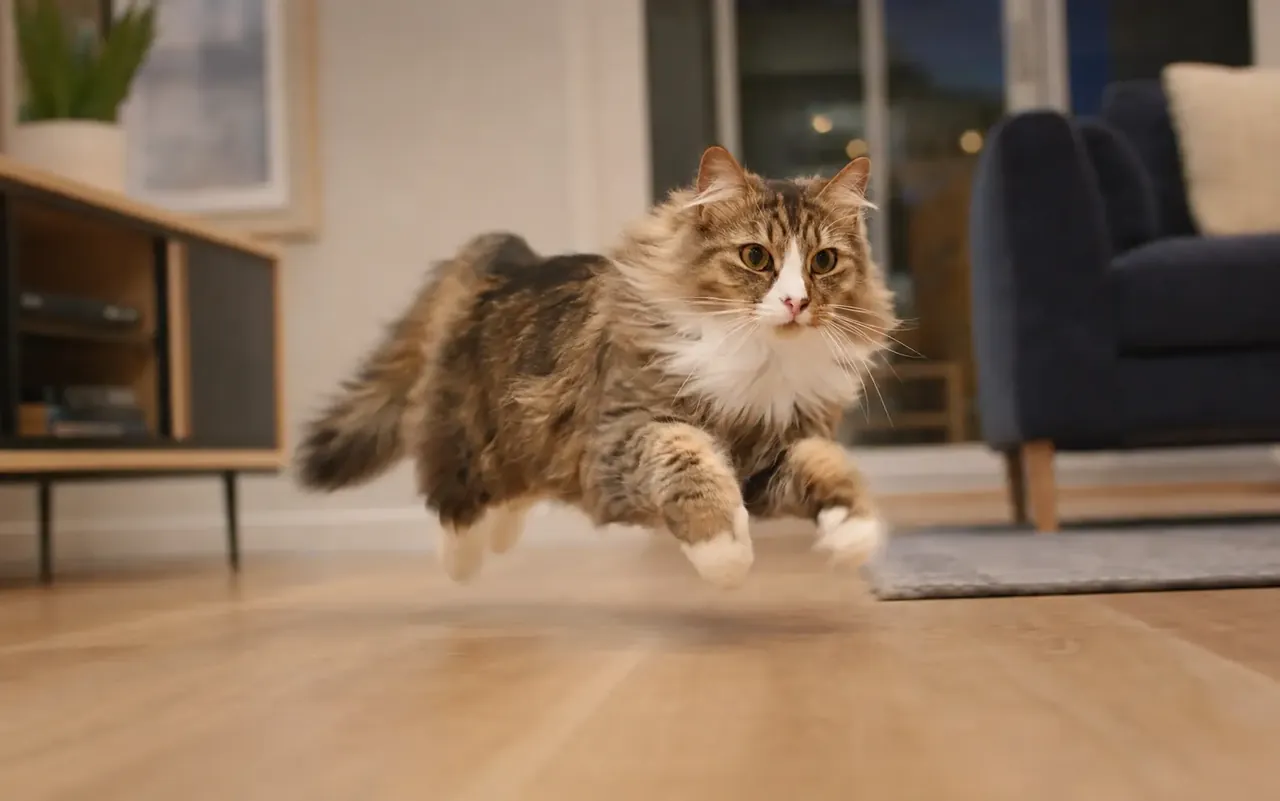 Topic illustration selected for this guide. Some learning images may be AI-assisted.
Why does my cat ignore its name — the quick answer
✓ Recognising a name and choosing to respond are different abilities.
✓ Say it once, reward orientation and avoid using the name mainly for unpleasant events.
✓ A new lack of response to all sounds should prompt a hearing check.
Recognising a name and choosing to respond are different abilities. A cat may be resting, focused elsewhere or have learned that the name predicts nothing useful. The useful answer comes from the whole situation—not one pose, sound or viral claim.
Recognition can be subtle
Watch for an ear turn, tail-tip movement, head shift or pause rather than expecting the cat to come every time. Response varies with sleep, distance, competing sounds, current activity and the value of what usually follows.
Audit what the name predicts
If the name often comes before medication, nail trimming, being removed from a place or repeated calling, the cat may stay away. Stop using it for scolding and rebuild with small positive outcomes.
Make one clear invitation
Say the name once in a calm tone, then offer a consistent cue or reward when the cat orients. Practise briefly in an easy quiet setting and finish before frustration. Do not call while chasing or block the route.
Reward attention, not only arrival
Mark an ear turn or glance with praise, food from the daily allowance or play, then gradually ask for more. Let the cat decline outside training; a name should not erase choice during ordinary interaction.
Check hearing or illness changes
A sudden lack of response to the name and other familiar sounds, louder vocalising, unusual startle, confusion or balance changes may indicate hearing or health problems and deserves veterinary advice.
Your quick checklist
Loading saved progress…
Three simple things you can do
You do not have to change everything today. Pick one step that feels realistic, try it and see how your cat responds.
- 1Observe your cat’s individual baseline.
- 2Make one gentle change at a time.
- 3Ask a qualified professional when health or safety is involved.
Common mistakes
×Waiting for a dramatic symptom instead of noticing smaller changes from the cat’s normal routine.
×Changing several things at once, making it difficult to learn what actually helped.
×Treating general guidance as a substitute for advice from a veterinarian who knows the individual cat.
Questions cat people ask
Does every cat follow the same rule?+
No. Age, health, history, temperament and environment all change what works for an individual.
When should I seek professional help?+
Seek veterinary advice for sudden, persistent or concerning changes and urgent help for breathing difficulty, collapse, seizures, poisoning or urinary obstruction signs.
Still looking for the right answer?
Search the full EverYes Cats encyclopedia with your own words — a symptom, food, behaviour, breed or everyday question.
Checked, dated and transparent
- Prepared by
- EverYes Cats editorial team
- Last updated
- Source checked
- Primary reference
- International Cat Care ↗
We begin with the named reference, rewrite the information in plain language and add practical cat-parent steps. Urgent health statements are checked against veterinary sources. This guide has not been individually reviewed by a veterinarian unless explicitly stated. It provides education, not diagnosis or treatment.
How we choose and use sources →
Spotted something unclear or outdated? Tell us so we can review it.
Loading your saved choice…
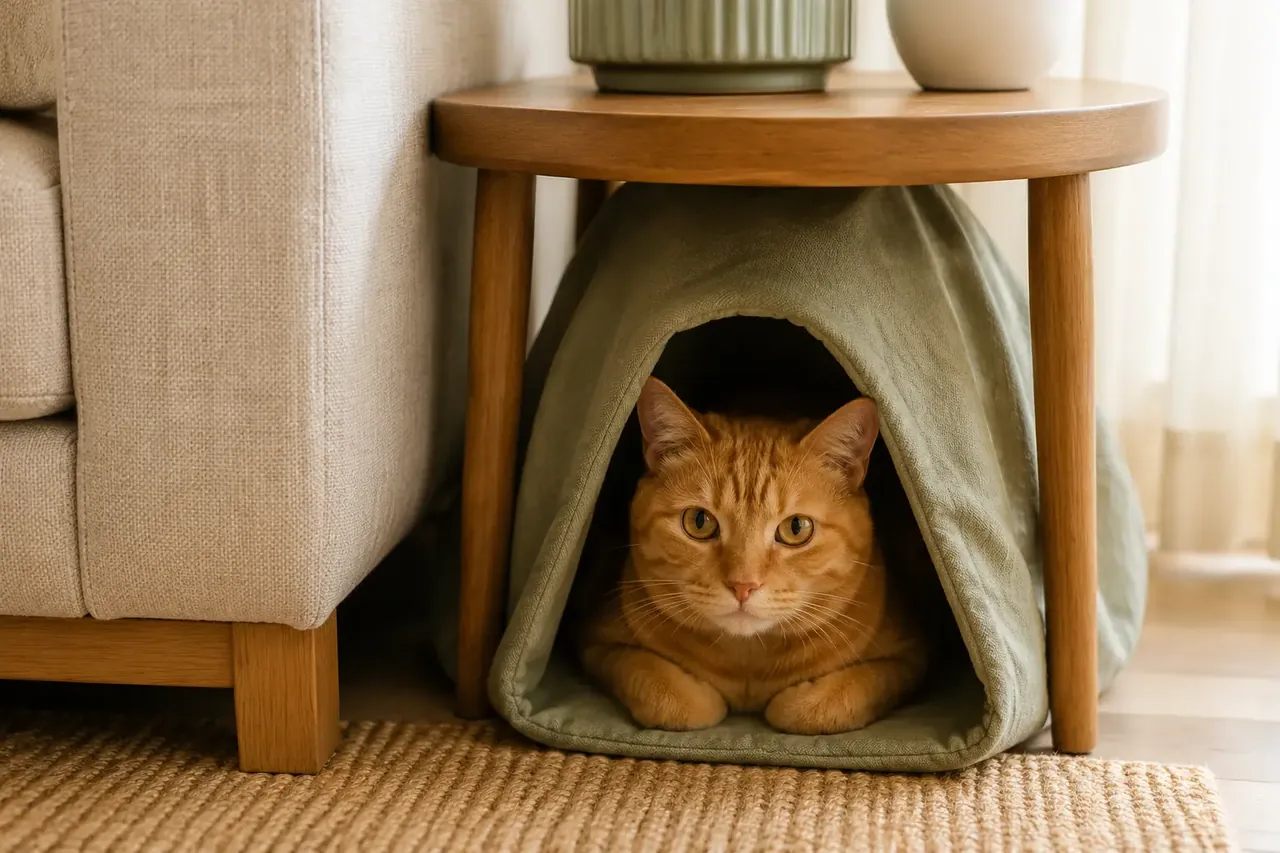
Blankets provide warmth, darkness and a sheltered den-like space.
 01
 02
 03
 04