Lilies and cats: every part is an emergency
Pollen, petals, leaves and vase water can all threaten a cat's kidneys.
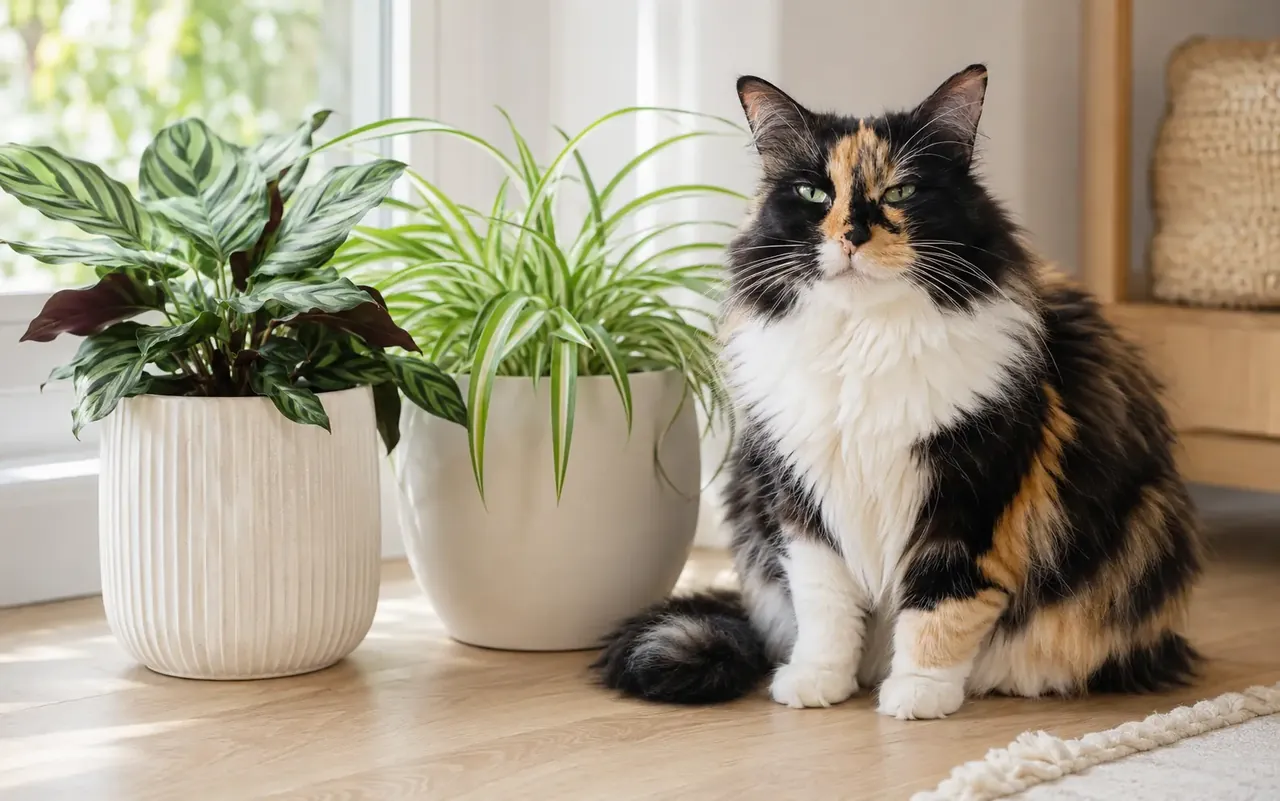 Topic illustration selected for this guide. Some learning images may be AI-assisted.
This sign can be urgent. Call a veterinarian or emergency clinic now for individual triage; do not wait for this article to diagnose the cause.
Lilies and cats: every part is an emergency — the quick answer
✓ Call immediately—do not wait for symptoms
✓ Bring the plant or a clear photo
✓ Do not induce vomiting unless instructed
✓ The safest cat home contains no true lilies or daylilies
True lilies and daylilies can cause acute kidney injury in cats. A cat does not need to eat a whole flower: grooming pollen from the coat or drinking vase water can count as exposure.
What counts as exposure
Chewing petals or leaves, licking pollen from fur and drinking vase water are all concerning. Common names are unreliable, so identify the plant by its exact name when possible.
Act now
Remove access, prevent further grooming if safe, and call a veterinarian or animal poison service immediately. Early treatment matters; do not watch and wait.
Do not improvise
Do not induce vomiting, give milk, oil, salt or home remedies. Follow professional instructions and bring the plant label, photo and time of exposure.
Prevent the next exposure
Tell florists that the home contains cats and ask for arrangements without true lilies or daylilies. Check bouquets before they enter the home.
Your quick checklist
Your progress is saved on this device.
What to do now
Do not use this guide to delay care. Start with the first step and follow the veterinary professional's instructions.
- 1Remove access, prevent grooming if safe and call a veterinarian or animal poison service immediately.
- 2Bring the plant, label or a clear photograph and note the possible exposure time.
- 3Keep true lilies and daylilies completely out of homes with cats.
Common mistakes
×Waiting for vomiting or illness before calling.
×Assuming a little pollen or vase water cannot matter.
×Giving milk, oil, salt or attempting to make the cat vomit.
Questions cat people ask
Which lilies are an emergency for cats?+
True lilies in the Lilium genus and daylilies in the Hemerocallis genus can cause acute kidney injury. Common names are unreliable, so call if identification is uncertain.
Is pollen on a cat's coat dangerous?+
Yes. The cat may swallow pollen while grooming. Prevent further grooming if you can do so safely and seek immediate professional advice.
Still looking for the right answer?
Search the full EverYes Cats encyclopedia with your own words — a symptom, food, behaviour, breed or everyday question.
Checked, dated and transparent
- Prepared by
- EverYes Cats editorial team
- Last updated
- 7 August 2026
- Source checked
- 7 August 2026
- Primary reference
- ASPCA Toxic Plant Database ↗
We begin with the named reference, rewrite the information in plain language and add practical cat-parent steps. Urgent health statements are checked against veterinary sources. This guide has not been individually reviewed by a veterinarian unless explicitly stated. It provides education, not diagnosis or treatment.
Spotted something unclear or outdated? Tell us so we can review it.
Your answer helps us improve the cat encyclopedia.
Why natural does not automatically mean cat-safe.