Can a window view frustrate an indoor cat?
Window watching can enrich a cat, but repeated exposure to unreachable outdoor animals may produce arousal, spraying or redirected aggression. Recovery after the trigger is more informative than watching time alone.
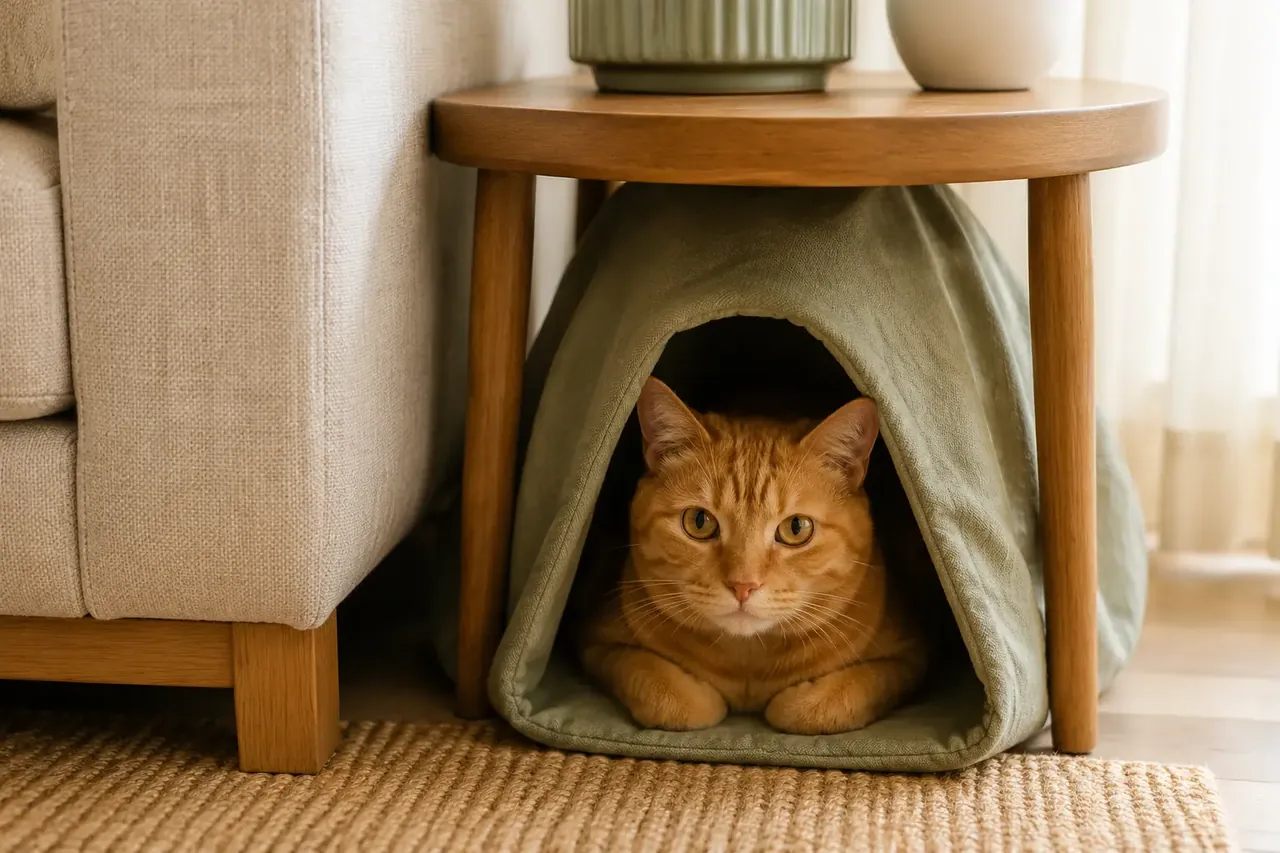 Topic illustration selected for this guide. Some learning images may be AI-assisted.
Can a window view frustrate an indoor cat — the quick answer
✓ Watching can enrich, but inaccessible animals may create intense arousal in some cats
✓ Limit the view during peak triggers and follow watching with an achievable hunting game.
✓ Redirected aggression or persistent inability to settle deserves qualified behaviour support.
Watching can enrich, but inaccessible animals may create intense arousal in some cats. Tail lashing, vocalising and redirected swatting suggest the experience is not purely relaxing. This guide separates the useful observation from guesswork and gives you one safe next step.
Distinguish interest from escalating arousal
Relaxed sitting, changing position, grooming and leaving voluntarily fit useful observation. Fixed staring, crouching, tail lashing, rapid vocalising, pacing, striking the glass or inability to disengage suggests the view is no longer simply calming.
Track the trigger and recovery
Record time, animal or event outside, distance from the glass and how long the cat takes to eat, rest and interact normally afterward. Note spraying, fights or avoidance between resident cats. A camera may reveal outdoor visitors and tension that occur when people are absent.
Reduce the view without removing all choice
Apply removable opaque film or close a blind at the trigger's height while leaving another safe view available. Move beds, food and litter away from the tense window and prevent access to blind cords. Address outdoor food sources only where lawful and humane.
Complete the hunting sequence elsewhere
After calm disengagement, offer a wand toy that can be stalked, chased and caught in another room, followed by part of the planned meal when suitable. Do not place a toy against the glass while an outdoor cat is present or touch and lift a highly aroused cat.
When professional help is needed
Veterinary assessment is appropriate for new aggression, spraying, appetite change or persistent inability to settle. Separate cats safely after redirected aggression and seek qualified feline behaviour support for recurrence. Treat bite wounds promptly and seek human medical advice after punctures.
Your quick checklist
Loading saved progress…
Three simple things you can do
You do not have to change everything today. Pick one step that feels realistic, try it and see how your cat responds.
- 1Watch for tail lashing, chattering, redirected swats or prolonged vigilance.
- 2Interrupt gently with distance, play or a food puzzle before arousal peaks.
- 3Use partial window film when an outdoor cat repeatedly triggers distress.
Common mistakes
×Picking up an intensely focused cat.
×Putting two cats close together at the window.
×Assuming every window watch is enriching.
Questions cat people ask
Can watching birds frustrate cats?+
Often it is enriching, but some cats become highly aroused when they cannot approach or escape the trigger. Body language and recovery time show the difference.
What is redirected aggression at a window?+
A cat aroused by an unreachable animal may swat or attack a nearby person or pet. Give space, block the view and allow full calm before interaction.
Still looking for the right answer?
Search the full EverYes Cats encyclopedia with your own words — a symptom, food, behaviour, breed or everyday question.
Checked, dated and transparent
- Prepared by
- EverYes Cats editorial team
- Last updated
- Source checked
- Primary reference
- International Cat Care: Making Your Home Cat Friendly ↗
We begin with the named reference, rewrite the information in plain language and add practical cat-parent steps. Urgent health statements are checked against veterinary sources. This guide has not been individually reviewed by a veterinarian unless explicitly stated. It provides education, not diagnosis or treatment.
How we choose and use sources →
Spotted something unclear or outdated? Tell us so we can review it.
Loading your saved choice…
Doorbell fear often comes from the entire arrival sequence—sharp sound, footsteps, doors and unfamiliar people. Prepare a protected retreat first, then work below the cat's fear threshold without repeatedly testing the real bell.
 02
 05