Why Does My Cat Meow When the Phone Rings?
A cat may meow when the phone rings because the sound predicts your movement, voice or attention shift. Compare sound, vibration and your response, then teach a calm alternative without punishing the vocalisation.
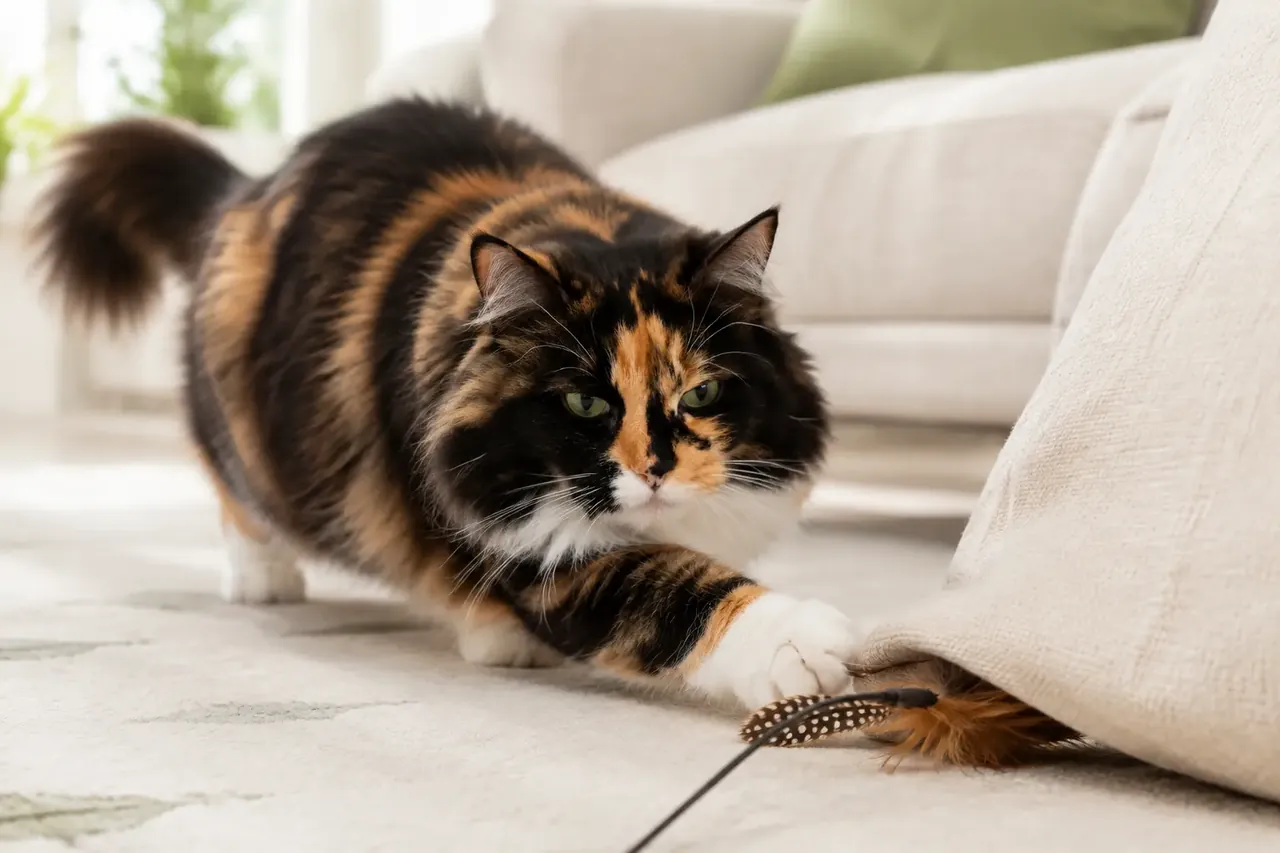
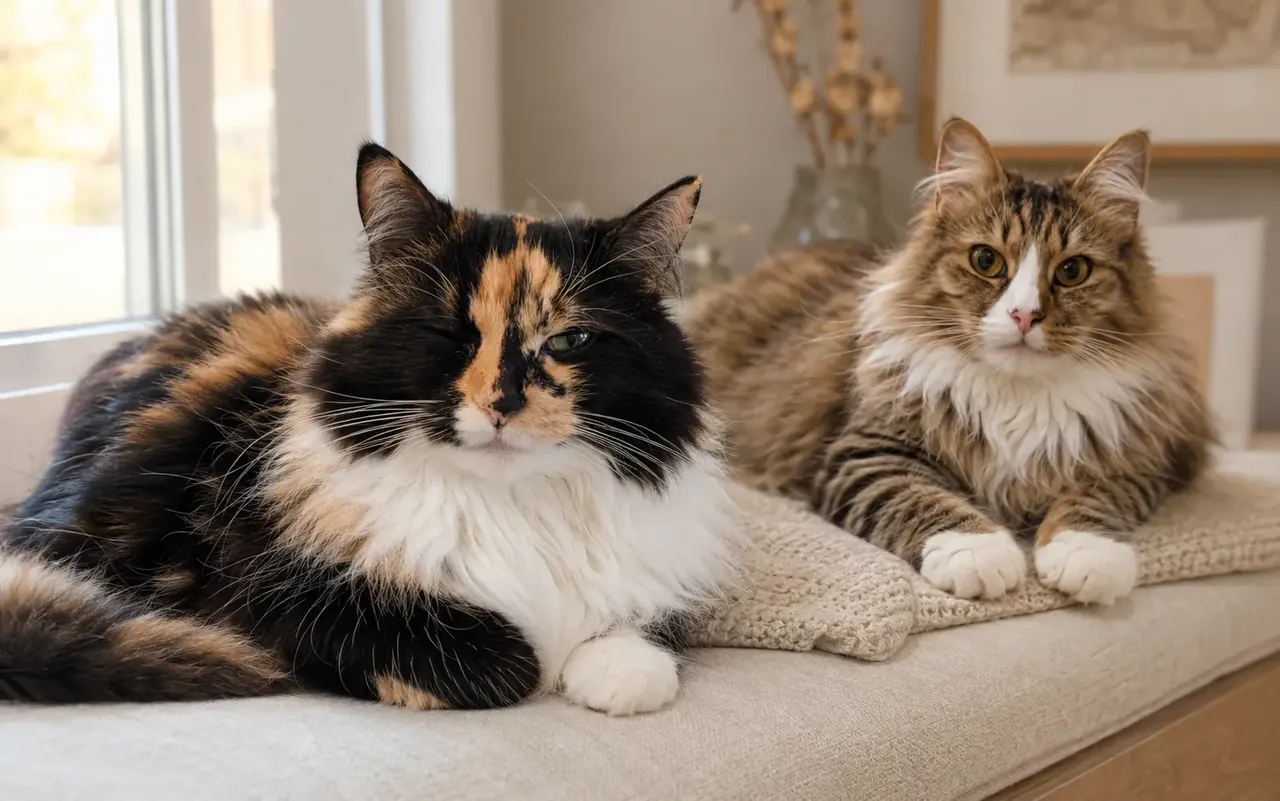 Topic illustration selected for this guide. Some learning images may be AI-assisted.
Why Does My Cat Meow When the Phone Rings — the quick answer
✓ The sound may predict your movement, conversation or a break in attention and become part of a learned routine.
✓ Lower the sound and reward settling on a nearby mat before answering.
✓ Panic, prolonged hiding or fear spreading to ordinary sounds needs professional help.
The sound may predict your movement, conversation or a break in attention and become part of a learned routine. The full situation matters more than one isolated moment.
Work out which cue matters
Test ordinary safe settings on different occasions: ringtone at a lower volume, vibration on a stable surface or the phone visible without ringing. Observe from a distance and stop if the cat becomes frightened. Your sudden movement or conversation may be the meaningful cue rather than the tone.
Read excitement versus fear
An approaching cat with a loose body and upright tail may be joining a familiar routine. Crouching, flattened ears, wide pupils, fleeing or prolonged hiding suggests fear. Do not chase, pick up or expose a frightened cat repeatedly to prove the phone is harmless.
Teach a calm phone routine
Before expected calls, place a comfortable mat or perch away from the device. Reward voluntary settling, then answer calmly. Practise with very low-intensity sounds only while the cat remains relaxed, increasing volume gradually across sessions rather than during one long exposure.
Avoid accidental rewards and punishment
If every meow produces food or intense attention, the sequence can strengthen. Acknowledge calmly and reward the alternative behaviour instead. Shouting, spraying water or playing loud sounds can add fear without teaching what to do.
When to seek help
Arrange veterinary advice for a sudden strong reaction to ordinary sounds, apparent hearing or balance change, pain, confusion, panic injury or refusal to eat. Persistent sound fear can also benefit from a qualified cat behaviour professional after medical causes are considered.
Your quick checklist
Loading saved progress…
Three simple things you can do
You do not have to change everything today. Pick one step that feels realistic, try it and see how your cat responds.
- 1Observe your cat’s individual baseline.
- 2Make one gentle change at a time.
- 3Ask a qualified professional when health or safety is involved.
Common mistakes
×Waiting for a dramatic symptom instead of noticing smaller changes from the cat’s normal routine.
×Changing several things at once, making it difficult to learn what actually helped.
×Treating general guidance as a substitute for advice from a veterinarian who knows the individual cat.
Questions cat people ask
Does every cat follow the same rule?+
No. Age, health, history, temperament and environment all change what works for an individual.
When should I seek professional help?+
Seek veterinary advice for sudden, persistent or concerning changes and urgent help for breathing difficulty, collapse, seizures, poisoning or urinary obstruction signs.
Still looking for the right answer?
Search the full EverYes Cats encyclopedia with your own words — a symptom, food, behaviour, breed or everyday question.
Checked, dated and transparent
- Prepared by
- EverYes Cats editorial team
- Last updated
- Source checked
- Primary reference
- FelineVMA: Feline Environmental Needs Guidelines ↗
We begin with the named reference, rewrite the information in plain language and add practical cat-parent steps. Urgent health statements are checked against veterinary sources. This guide has not been individually reviewed by a veterinarian unless explicitly stated. It provides education, not diagnosis or treatment.
How we choose and use sources →
Spotted something unclear or outdated? Tell us so we can review it.
Loading your saved choice…
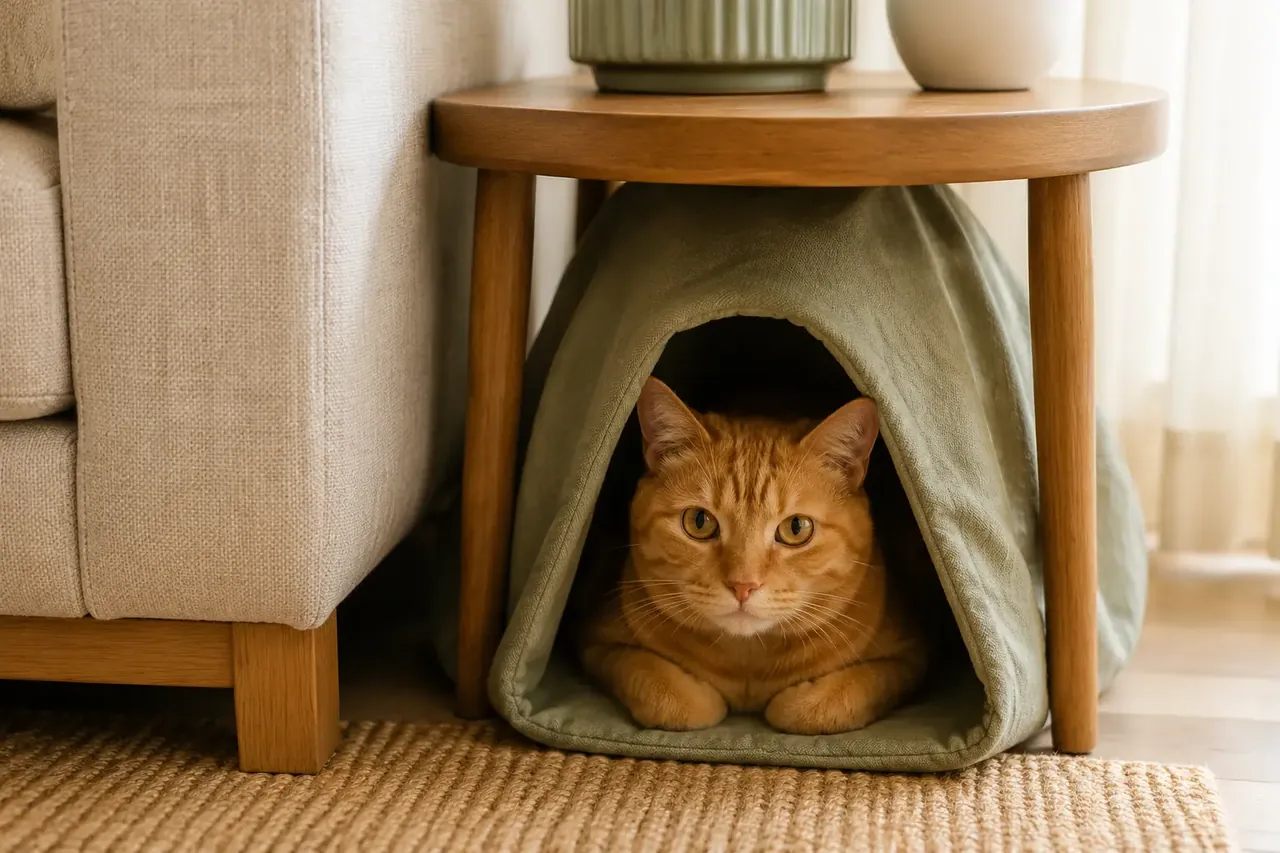
A cat may hide when the phone rings because the sound is sharp, unpredictable or linked with what happens next. The ringtone, speaker distortion, vibration and the owner's sudden movement can all become part of the learned warning.
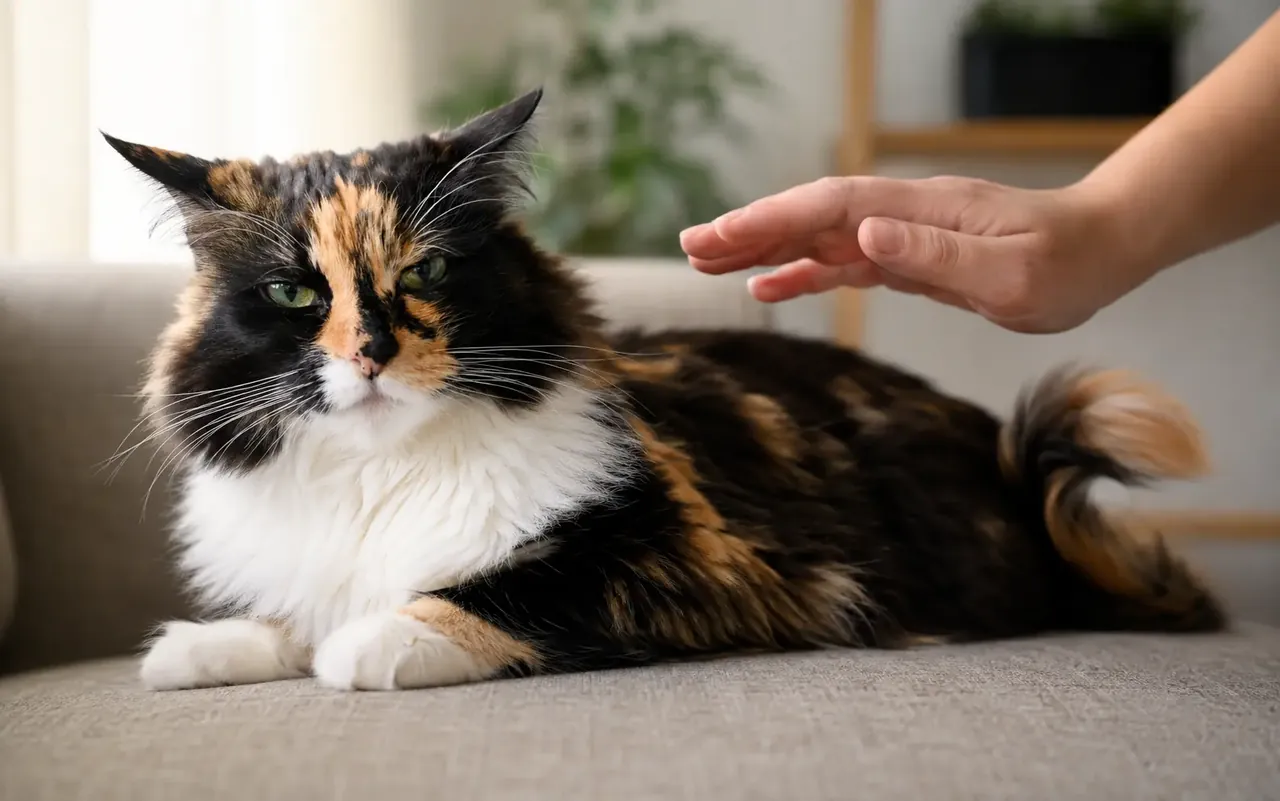 01
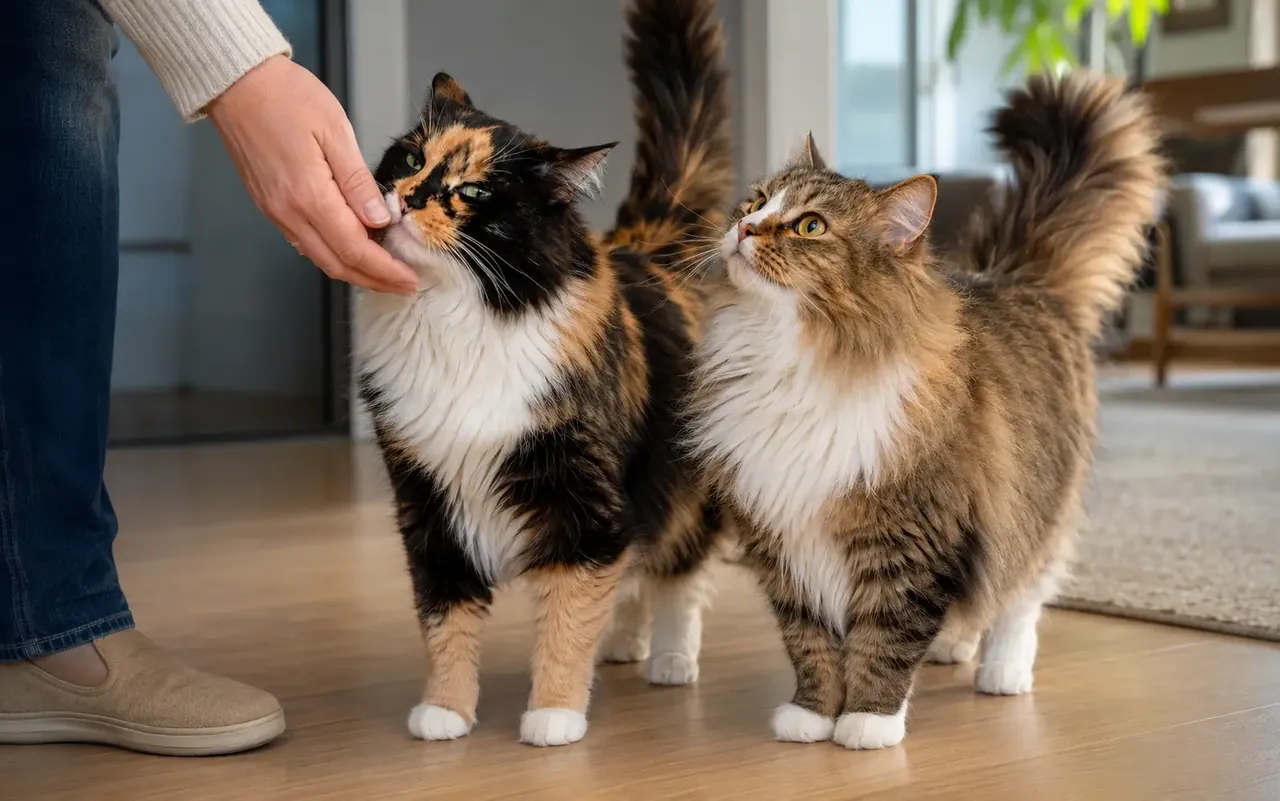 02
 03
 06