Why does my cat stare at an empty corner?
A cat staring at an empty corner usually detects a tiny sound, insect, scent or reflection that people miss. Check the environment, then assess responsiveness and the wider behaviour pattern.
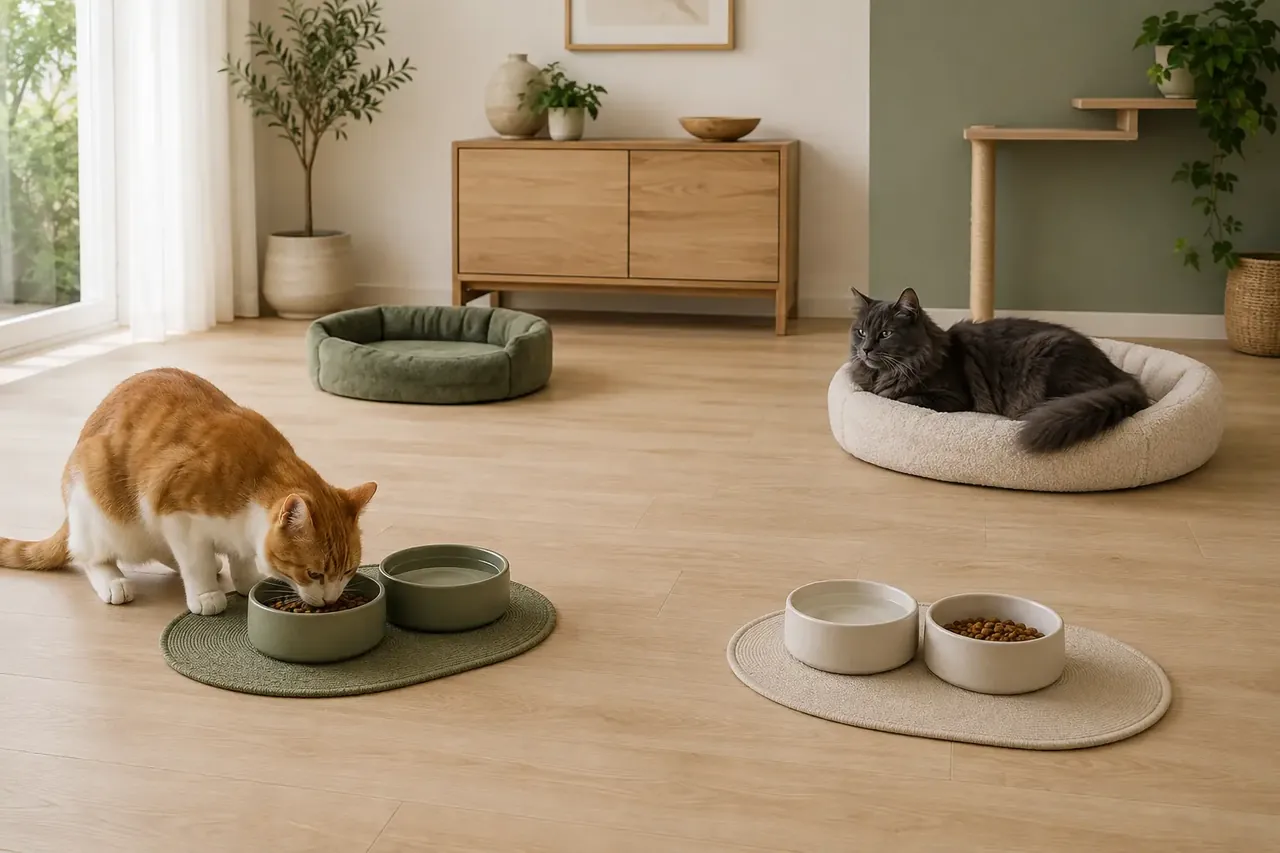 Topic illustration selected for this guide. Some learning images may be AI-assisted.
Why does my cat stare at an empty corner — the quick answer
✓ Tiny sounds, insects, reflected light and learned interest are more likely than anything mysterious
✓ Inspect safely for pests, flickering reflections or appliance noise and note when it occurs.
✓ Staring with confusion, circling, loss of response or other neurological signs needs urgent assessment.
Tiny sounds, insects, reflected light and learned interest are more likely than anything mysterious. Cats detect frequencies and movements that people easily miss.
The short answer
Tiny sounds, insects, reflected light and learned interest are more likely than anything mysterious. Cats detect frequencies and movements that people easily miss.
What to observe first
Compare the moment with your cat’s usual pattern. Note timing, frequency, body language, appetite, litter-box use, mobility and any recent household change.
Why the setting matters
Cats detect frequencies and movements that people easily miss. One isolated detail rarely explains behaviour or health on its own, so look at the whole cat and the immediate environment.
What you can do
Inspect safely for pests, flickering reflections or appliance noise and note when it occurs.
A gentle way to test it
Make one small safe adjustment and give the cat time and choice. Avoid punishment, forced handling and several changes at once, because they make the response harder to understand.
When to contact a veterinarian
Staring with confusion, circling, loss of response or other neurological signs needs urgent assessment.
Prepare useful information
Write down when it began and how often it occurs. A short video, clear photo, food record or litter record can help a veterinary professional assess a pattern that may not appear during the appointment.
Run a safe environmental check
Look for insects, moving shadows, reflected light, pipe sounds, vents and appliances without opening unsafe spaces. Note the time of day and whether heating, sunlight or equipment is active. Do not use pesticides or traps where a cat can reach them.
DEEPER GUIDE1 more detailed sectionsOpen +
Test responsiveness without startling
Call the cat softly or move normally nearby and see whether attention shifts. Ordinary focused watching differs from staring with confusion, circling, loss of balance, unequal pupils, seizures or failure to respond. Those neurological signs need urgent veterinary assessment.
Your quick checklist
Your progress is saved on this device.
Three simple things you can do
You do not have to change everything today. Pick one step that feels realistic, try it and see how your cat responds.
- 1Check quietly for insects, reflected light, airflow and faint sounds.
- 2Observe hearing, vision, orientation and whether the behaviour interrupts normal routines.
- 3Record repeated unexplained episodes for veterinary review.
Common mistakes
×Frightening the cat to break the stare.
×Assuming a supernatural cause.
×Ignoring disorientation in a senior cat.
Questions cat people ask
Why does my cat stare at an empty corner?+
Cats detect tiny movement and high-frequency sound people miss, and may also remember previous activity in the location.
When is staring at walls concerning?+
New repetitive staring with confusion, circling, seizures, pupil changes, poor balance or altered interaction needs prompt veterinary assessment.
Still looking for the right answer?
Search the full EverYes Cats encyclopedia with your own words — a symptom, food, behaviour, breed or everyday question.
Checked, dated and transparent
- Prepared by
- EverYes Cats editorial team
- Last updated
- 13 August 2026
- Source checked
- 13 August 2026
- Primary reference
- Cornell Feline Health Center ↗
We begin with the named reference, rewrite the information in plain language and add practical cat-parent steps. Urgent health statements are checked against veterinary sources. This guide has not been individually reviewed by a veterinarian unless explicitly stated. It provides education, not diagnosis or treatment.
Spotted something unclear or outdated? Tell us so we can review it.
Your answer helps us improve the cat encyclopedia.
Kneading before sleep is usually a comforting settling routine carried from kittenhood. Let it continue when the cat is relaxed and the surface is safe.