Why does my cat scratch the door frame?
A door frame combines a tall stable surface with an important route and scent boundary. The best replacement matches the scratching height, direction, texture and exact location instead of appearing across the room.
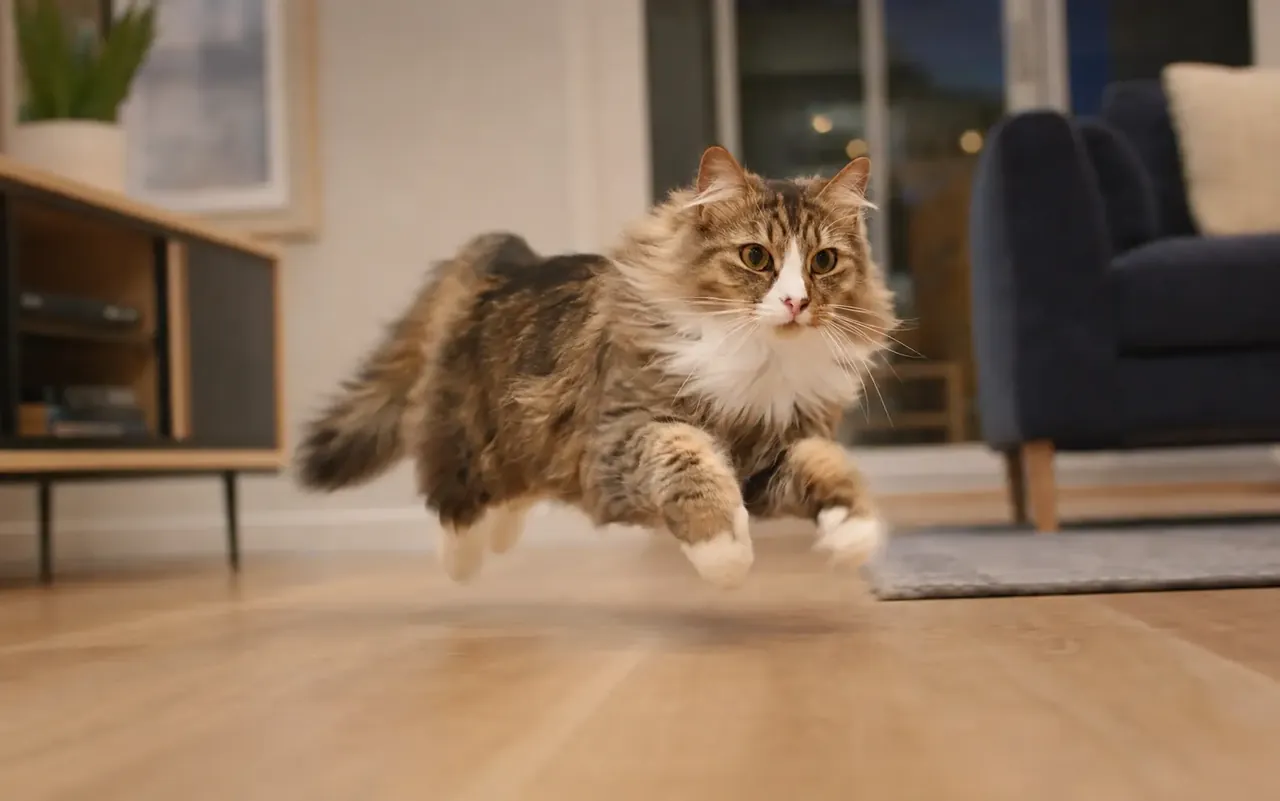 Topic illustration selected for this guide. Some learning images may be AI-assisted.
Why does my cat scratch the door frame — the quick answer
✓ Doorways are high-information boundaries where visual and scent marks are noticeable
✓ Add a sturdy scratcher at the chosen height beside the frame and decide on a consistent door routine.
✓ Sudden frantic scratching with distress may reflect fear or separation-related difficulty.
Doorways are high-information boundaries where visual and scent marks are noticeable. The behaviour may also be reinforced when scratching opens a closed door. This guide separates the useful observation from guesswork and gives you one safe next step.
Measure the existing scratch pattern
Photograph the area and measure the highest marks, direction and material. Note whether scratching occurs after waking, during arrivals, around a closed room or when another cat passes. This separates ordinary stretching and marking from doorway conflict or access-seeking.
Place the alternative beside the target
Install a tall rigid scratcher that allows a full-body stretch directly against or beside the frame. Match the preferred vertical texture and prevent wobble. Reward investigation and use without lifting the cat's paws onto the surface.
Protect the frame during learning
Cover the damaged area temporarily with a smooth secure guard while leaving the alternative obvious. Repair splinters and remove loose tape, staples or fragments. Avoid essential oils, frightening devices and materials the cat may chew or become caught in.
Address the doorway context
Use a consistent open-or-closed door routine and provide another route, perch or rest area where practical. In multi-cat homes, check whether staring or blocking occurs near food, litter or rooms. More scratchers in socially important locations may be necessary.
When scratching signals distress
Seek veterinary or qualified behaviour advice for sudden frantic scratching, self-injury, prolonged calling, panic when alone, urine marking or escalating conflict. A torn claw, bleeding paw, swelling or inability to bear weight needs veterinary care.
Your quick checklist
Loading saved progress…
Three simple things you can do
You do not have to change everything today. Pick one step that feels realistic, try it and see how your cat responds.
- 1Mount a tall stable scratcher directly beside the frame.
- 2Protect the wood temporarily with a smooth guard.
- 3Increase play and resources if scratching occurs around a closed-door conflict.
Common mistakes
×Using punishment without changing the surface.
×Placing the alternative across the room.
×Blocking the frame with a material the cat may swallow.
Questions cat people ask
Why does my cat scratch the door frame?+
The frame is tall, stable and located on a territorial boundary, so it can be ideal for stretching and visual and scent marking.
How can I protect a door frame from scratching?+
Cover the target temporarily and install an equally tall, stable and appealing surface immediately beside it, then reward that choice.
Still looking for the right answer?
Search the full EverYes Cats encyclopedia with your own words — a symptom, food, behaviour, breed or everyday question.
Checked, dated and transparent
- Prepared by
- EverYes Cats editorial team
- Last updated
- Source checked
- Primary reference
- International Cat Care: Cat Behaviour ↗
We begin with the named reference, rewrite the information in plain language and add practical cat-parent steps. Urgent health statements are checked against veterinary sources. This guide has not been individually reviewed by a veterinarian unless explicitly stated. It provides education, not diagnosis or treatment.
How we choose and use sources →
Spotted something unclear or outdated? Tell us so we can review it.
Loading your saved choice…
Doorbell fear often comes from the entire arrival sequence—sharp sound, footsteps, doors and unfamiliar people. Prepare a protected retreat first, then work below the cat's fear threshold without repeatedly testing the real bell.
 01
 02
 05