Why most cat breeds are relatively modern
People bred cats mainly for appearance much later than many working dog lineages. A calm, practical guide to what it means and what to do next.
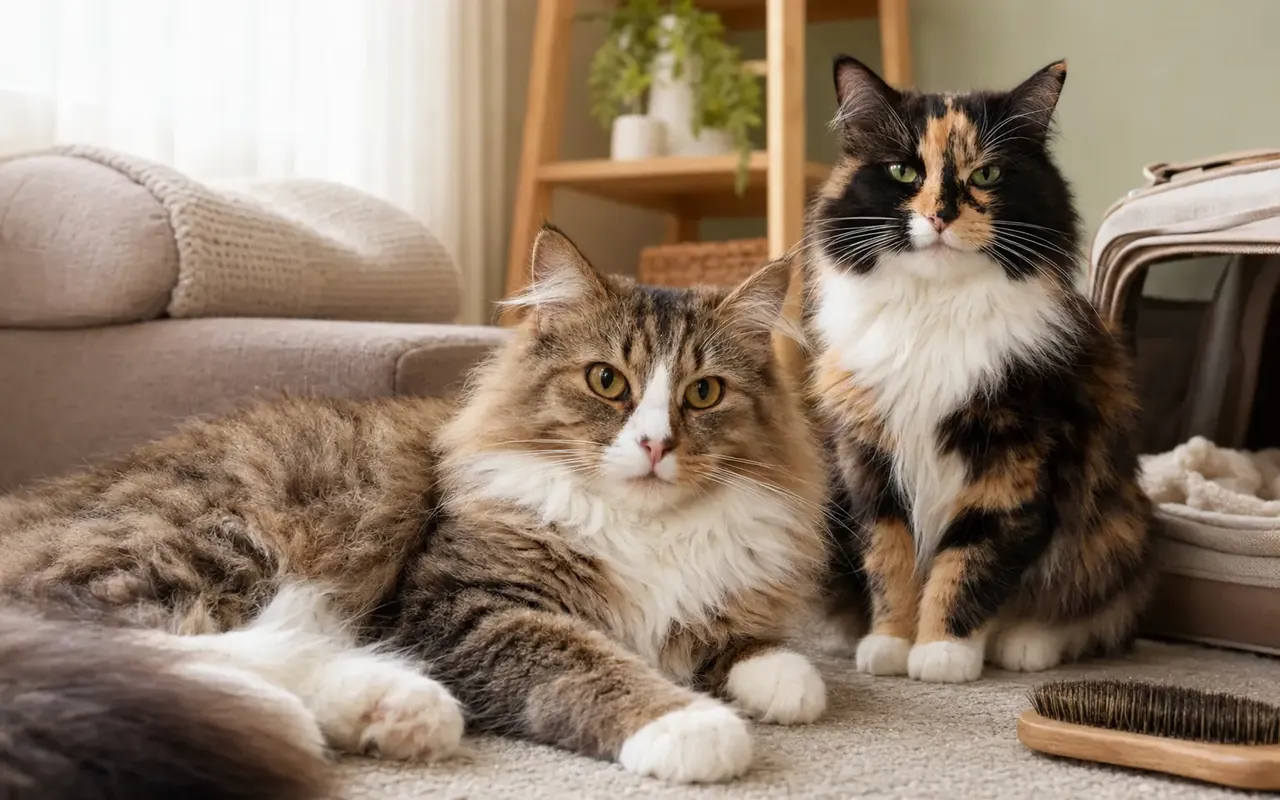 Topic illustration selected for this guide. Some learning images may be AI-assisted.
Why most cat breeds are relatively modern — the quick answer
✓ People bred cats mainly for appearance much later than many working dog lineages
✓ Prioritise health, temperament and ethical breeding over extreme physical traits.
✓ Research breed-linked health risks and ask breeders for documented screening.
People bred cats mainly for appearance much later than many working dog lineages. Most pet cats worldwide are not pedigree breeds and still show enormous variation. This guide separates the useful observation from guesswork and gives you one safe next step.
The clear answer
People bred cats mainly for appearance much later than many working dog lineages. Most pet cats worldwide are not pedigree breeds and still show enormous variation.
What to observe in your own cat
People bred cats mainly for appearance much later than many working dog lineages. Observe the real situation without recreating or exaggerating it. Note the setting, the cat's posture and how quickly ordinary behaviour returns.
Why two cats may look different
Age, health, body shape, early experience, confidence and the immediate environment all affect what owners see. A common pattern can still deserve attention when it is new or different for this individual cat.
Make the home support the answer
Protect food, water, litter, rest, hiding and a clear route away while testing one small adjustment. Stable essentials make the cat's response easier to interpret.
A practical next step
Prioritise health, temperament and ethical breeding over extreme physical traits. Keep the change small and easy to reverse, then compare the same facts again rather than relying on memory.
What not to do
Do not punish, frighten, force handling or remove every familiar option at once. Avoid using a general explanation to dismiss a sudden change in health or behaviour.
Warning signs and veterinary help
Research breed-linked health risks and ask breeders for documented screening.
Source and limits
This educational guide is informed by AAHA/AAFP Feline Life Stage Guidelines. It can help you observe and prepare useful information, but it cannot examine your cat, diagnose a condition or replace individual veterinary advice.
Your quick checklist
Your progress is saved on this device.
Three simple things you can do
You do not have to change everything today. Pick one step that feels realistic, try it and see how your cat responds.
- 1Use breed history to understand likely traits without treating it as destiny.
- 2Check health-screening guidance from veterinary and established breed bodies.
- 3Prioritise welfare, temperament and responsible breeding over appearance.
Common mistakes
×Assuming modern breeds are ancient unchanged lineages.
×Treating pedigree as a health guarantee.
×Choosing extreme physical features without considering welfare.
Questions cat people ask
When did modern cat breeds begin?+
People kept distinctive cat populations earlier, but organised cat shows and written breed standards expanded mainly from the late nineteenth century.
Is every purebred cat genetically uniform?+
No. Breeds are populations with shared ancestry and standards, yet individuals still vary. Small gene pools can also concentrate inherited disease risks.
Still looking for the right answer?
Search the full EverYes Cats encyclopedia with your own words — a symptom, food, behaviour, breed or everyday question.
Checked, dated and transparent
- Prepared by
- EverYes Cats editorial team
- Last updated
- 14 August 2026
- Source checked
- 14 August 2026
- Primary reference
- AAHA/AAFP Feline Life Stage Guidelines ↗
We begin with the named reference, rewrite the information in plain language and add practical cat-parent steps. Urgent health statements are checked against veterinary sources. This guide has not been individually reviewed by a veterinarian unless explicitly stated. It provides education, not diagnosis or treatment.
Spotted something unclear or outdated? Tell us so we can review it.
Your answer helps us improve the cat encyclopedia.
Cats likely entered a gradual relationship with people because settlements offered prey and tolerance. A calm, practical guide to what it means and what to do next.