How black-cat superstitions changed across cultures
Black cats have represented bad luck, good fortune, protection and prosperity in different places and periods. These meanings are human cultural stories; black pigment does not determine a cat's personality, health or intentions.
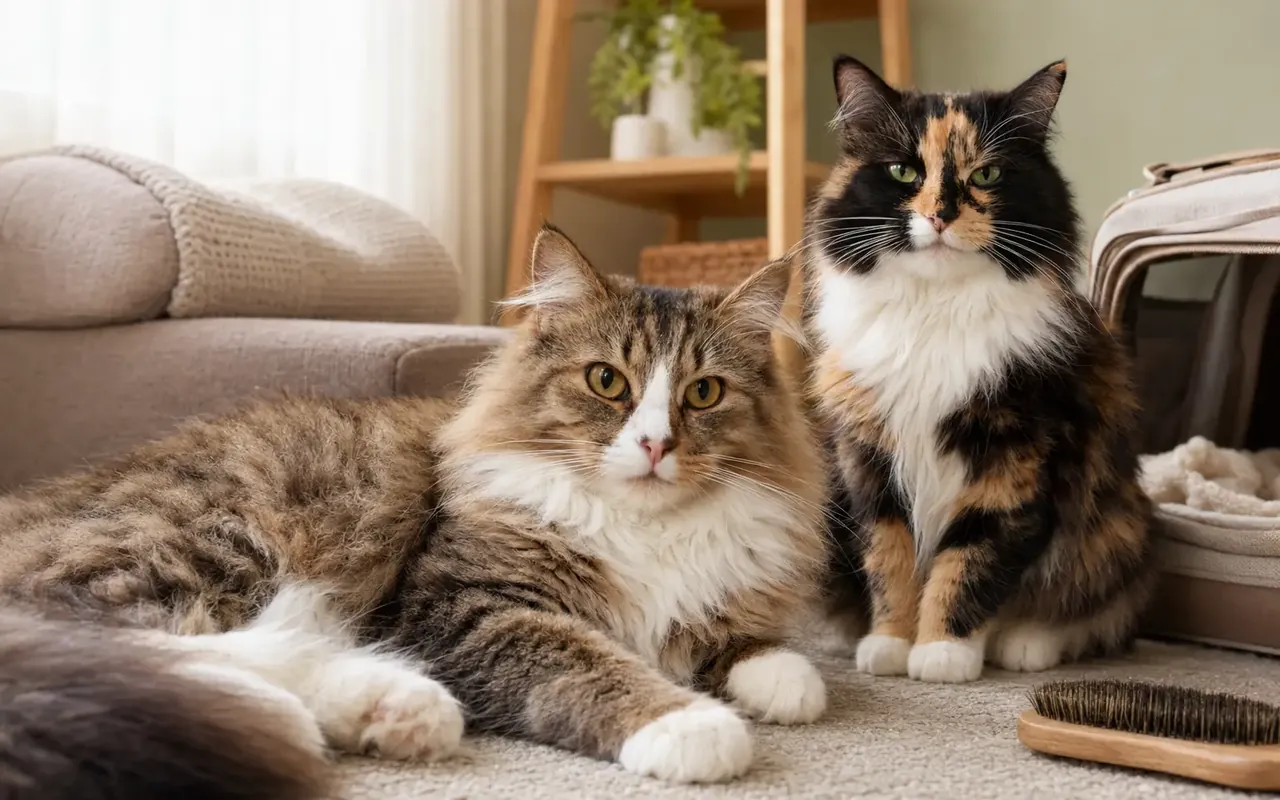 Topic illustration selected for this guide. Some learning images may be AI-assisted.
How black-cat superstitions changed across cultures — the quick answer
✓ The same coat colour has represented luck, protection or fear in different places and periods
✓ Choose a cat by health, temperament and fit rather than superstition.
✓ Never stage a cat in frightening or unsafe situations for seasonal content.
The same coat colour has represented luck, protection or fear in different places and periods. Human stories affect adoption, but coat pigment does not predict character. This guide separates the useful observation from guesswork and gives you one safe next step.
The same colour, opposite stories
Folklore is not consistent across countries or centuries. In some traditions a black cat crossing a path became ominous, while elsewhere black cats were linked with safe travel, marriage, prosperity or household protection.
How stories affect real cats
Repeated images in seasonal entertainment and superstition can influence how people speak about, photograph or choose cats. Adoption outcomes are affected by many factors, and broad claims about black cats being universally overlooked should not be repeated without local evidence.
Share the history responsibly
Present beliefs as beliefs with a place and time rather than as facts about cats. Use calm, ordinary photographs and positive individual stories. Keep cats indoors or securely contained during events with open doors, noise, costumes and decorations.
What this does not prove
Melanin does not create a mysterious temperament. A black cat can be social, shy, playful or cautious for the same complex reasons as any other cat. Coat colour is not evidence of aggression, magic or unusual intelligence.
Safety matters more than a theme
Never frighten, restrain, dye or place a cat near flames and unsafe props for seasonal content. Contact a veterinarian for injury, toxin exposure, breathing difficulty or marked distress, and provide a quiet retreat during visitors and celebrations.
Your quick checklist
Loading saved progress…
Three simple things you can do
You do not have to change everything today. Pick one step that feels realistic, try it and see how your cat responds.
- 1Treat colour-based folklore as culture, not evidence about temperament.
- 2Share black-cat photos in lighting that shows facial detail and coat texture.
- 3Choose an individual cat by health, behaviour and household fit.
Common mistakes
×Repeating harmful superstitions as harmless fact.
×Claiming black cats share one personality.
×Using myths to predict adoption success.
Questions cat people ask
Why are black cats considered unlucky in some places?+
The association grew from changing European folklore, religious fears and later popular culture. It is a human story, not a feature of the cat.
Are black cats lucky anywhere?+
Yes. Traditions in several places have linked black cats with good fortune, prosperity or safe travel, showing that the symbolism is cultural rather than biological.
Still looking for the right answer?
Search the full EverYes Cats encyclopedia with your own words — a symptom, food, behaviour, breed or everyday question.
Checked, dated and transparent
- Prepared by
- EverYes Cats editorial team
- Last updated
- Source checked
- Primary reference
- Cats Protection: Cat Superstitions and the Truth ↗
We begin with the named reference, rewrite the information in plain language and add practical cat-parent steps. Urgent health statements are checked against veterinary sources. This guide has not been individually reviewed by a veterinarian unless explicitly stated. It provides education, not diagnosis or treatment.
How we choose and use sources →
Spotted something unclear or outdated? Tell us so we can review it.
Loading your saved choice…
Most recognised cat breeds are relatively recent populations shaped mainly since organised shows and written standards expanded in the nineteenth and twentieth centuries. A traditional-looking cat is not automatically an unchanged ancient breed.