Can cats eat chickpeas?
One soft plain chickpea is unlikely to harm most cats, but legumes add little to a treat plan.
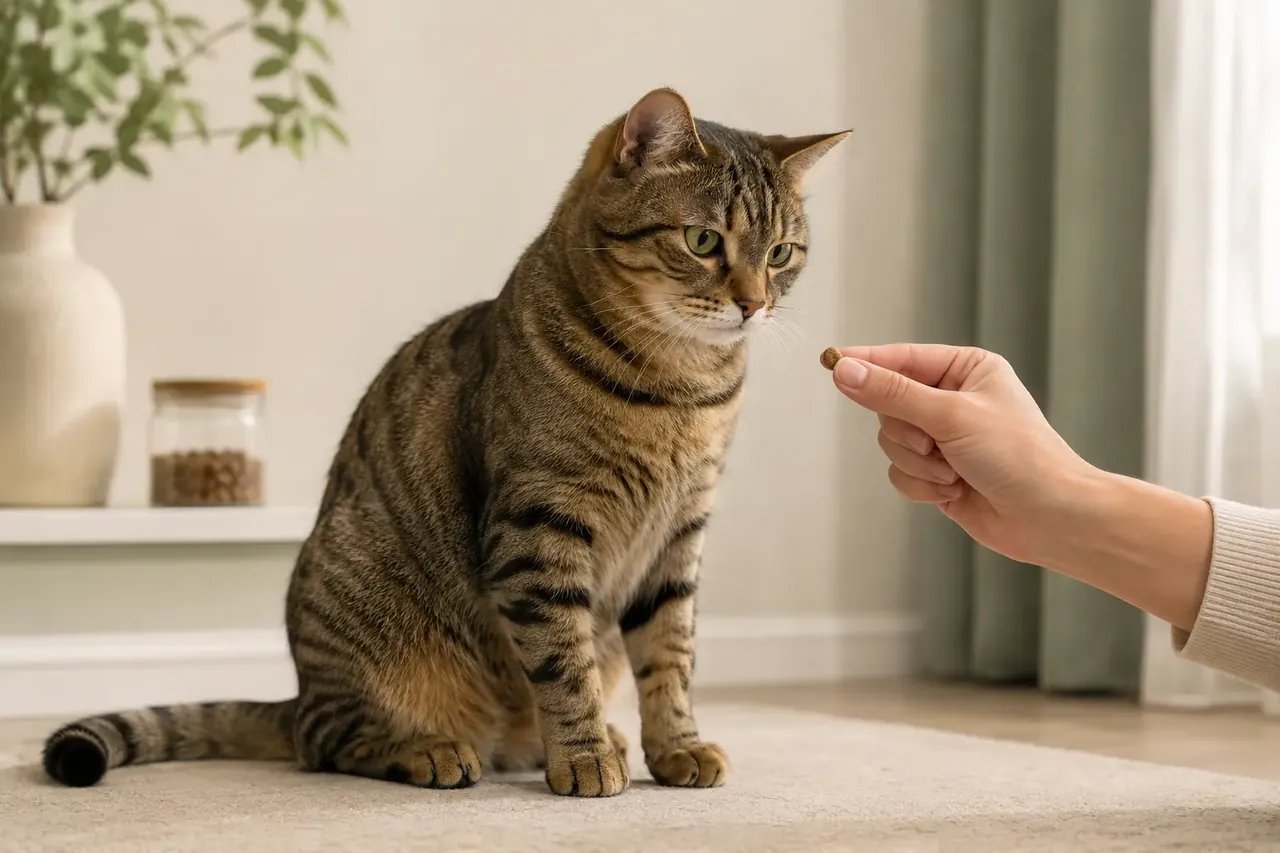 Topic illustration selected for this guide. Some learning images may be AI-assisted.
Can cats eat chickpeas — the quick answer
✓ One soft plain chickpea is unlikely to harm most cats, but legumes add little to a treat plan.
✓ Mash a tiny cooked piece only if the cat is curious; avoid hummus entirely.
✓ Hummus exposure may involve garlic, onion or excess salt and deserves ingredient-based advice.
One soft plain chickpea is unlikely to harm most cats, but legumes add little to a treat plan. Here is the practical version: what the detail means, what you can safely do at home and where the line for professional help begins.
Start with the whole picture
Chickpeas are not toxic to cats when plain and fully cooked, but they are unnecessary and can cause digestive upset. A cat needs complete cat food, not legumes, for balanced nutrition. The recipe and amount matter more than the ingredient name alone.
A useful next step
If a healthy adult cat is curious, offer no more than one soft mashed plain chickpea as an occasional taste. Skip canned chickpeas unless thoroughly rinsed and free from added seasoning, and never offer hummus because it commonly contains garlic, onion, salt, oil or other unsuitable ingredients.
What to record
For “Can cats eat chickpeas?”, write down when the relevant change or situation began, how often it happens and what came immediately before and after. Add food, medication, possible exposures and household changes that could alter the answer. A photo or brief video can be valuable when it is safe and does not delay care. Your notes should help you test the practical point in this guide: One soft plain chickpea is unlikely to harm most cats, but legumes add little to a treat plan.
Common mistakes to avoid
Do not offer dry, raw or undercooked chickpeas, large whole pieces or seasoned dishes. Do not use chickpeas to replace meat-based complete food, add fibre for a medical problem without advice or assume a vegan human food is automatically suitable for a cat.
When the answer changes
Contact a veterinarian or poison service if the chickpeas were in a dish containing onion, garlic or another unsafe ingredient, or if the cat develops repeated vomiting, diarrhoea, abdominal pain or lethargy. Keep the package or recipe available.
The kindest way forward
For can cats eat chickpeas?, keep the cat comfortable, preserve choice and begin with this guide's practical action: Mash a tiny cooked piece only if the cat is curious; avoid hummus entirely. Reassess after the next normal routine point. If you call a clinic, have your timeline, photographs, medication list and any relevant packaging ready. The professional-help threshold for this guide is clear: Hummus exposure may involve garlic, onion or excess salt and deserves ingredient-based advice.
Your quick checklist
Your progress is saved on this device.
Three simple things you can do
You do not have to change everything today. Pick one step that feels realistic, try it and see how your cat responds.
- 1Observe your cat’s individual baseline.
- 2Make one gentle change at a time.
- 3Ask a qualified professional when health or safety is involved.
Common mistakes
×Waiting for a dramatic symptom instead of noticing smaller changes from the cat’s normal routine.
×Changing several things at once, making it difficult to learn what actually helped.
×Treating general guidance as a substitute for advice from a veterinarian who knows the individual cat.
Questions cat people ask
Does every cat follow the same rule?+
No. Age, health, history, temperament and environment all change what works for an individual.
When should I seek professional help?+
Seek veterinary advice for sudden, persistent or concerning changes and urgent help for breathing difficulty, collapse, seizures, poisoning or urinary obstruction signs.
Still looking for the right answer?
Search the full EverYes Cats encyclopedia with your own words — a symptom, food, behaviour, breed or everyday question.
Checked, dated and transparent
- Prepared by
- EverYes Cats editorial team
- Last updated
- 19 September 2026
- Source checked
- 19 September 2026
- Primary reference
- FEDIAF Nutritional Guidelines ↗
We begin with the named reference, rewrite the information in plain language and add practical cat-parent steps. Urgent health statements are checked against veterinary sources. This guide has not been individually reviewed by a veterinarian unless explicitly stated. It provides education, not diagnosis or treatment.
How we choose and use sources →
Spotted something unclear or outdated? Tell us so we can review it.
Your answer helps us improve the cat encyclopedia.
Most adult cats do not need milk and many digest lactose poorly. Water and a complete cat food are safer everyday choices, even when a cat appears to enjoy dairy.