Can cats eat blueberries?
A small plain blueberry is generally low risk for a healthy cat, but cats do not need fruit. Cut or crush one berry, avoid sweetened products and stop if digestion changes.
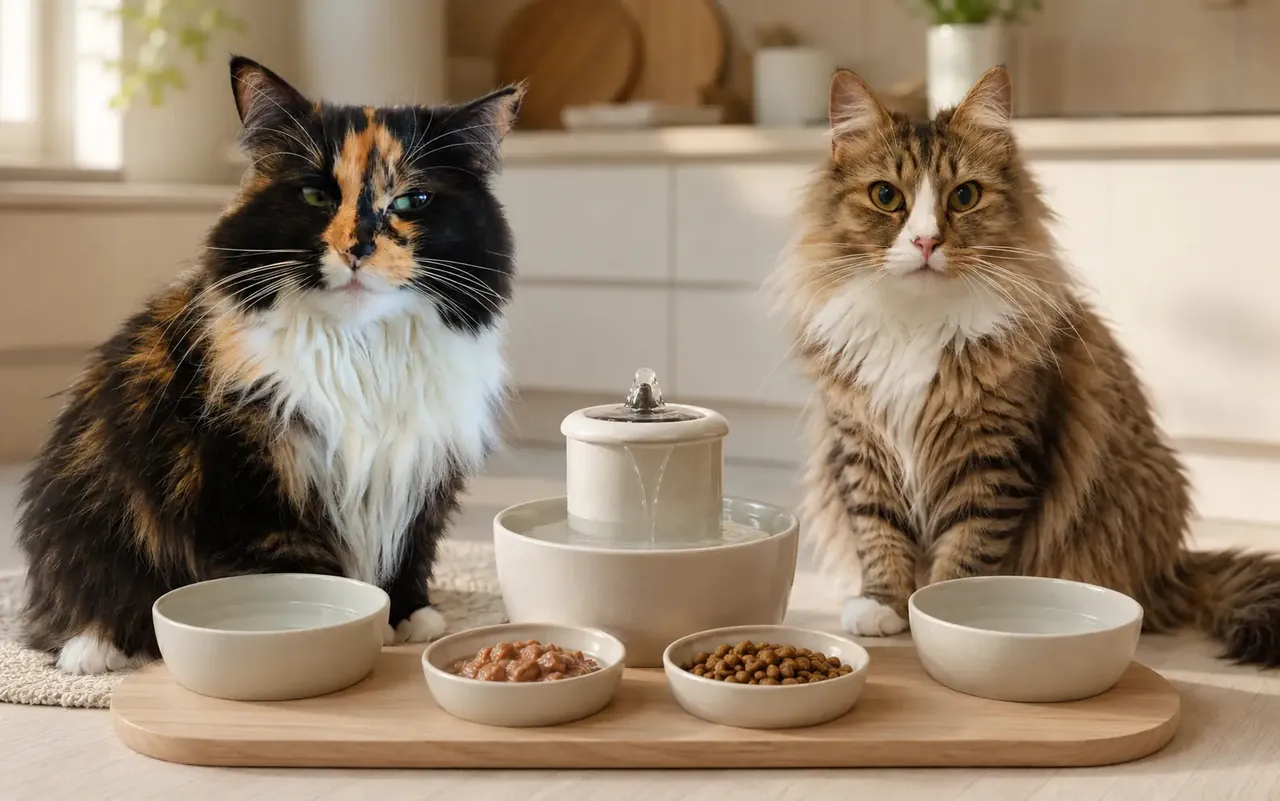
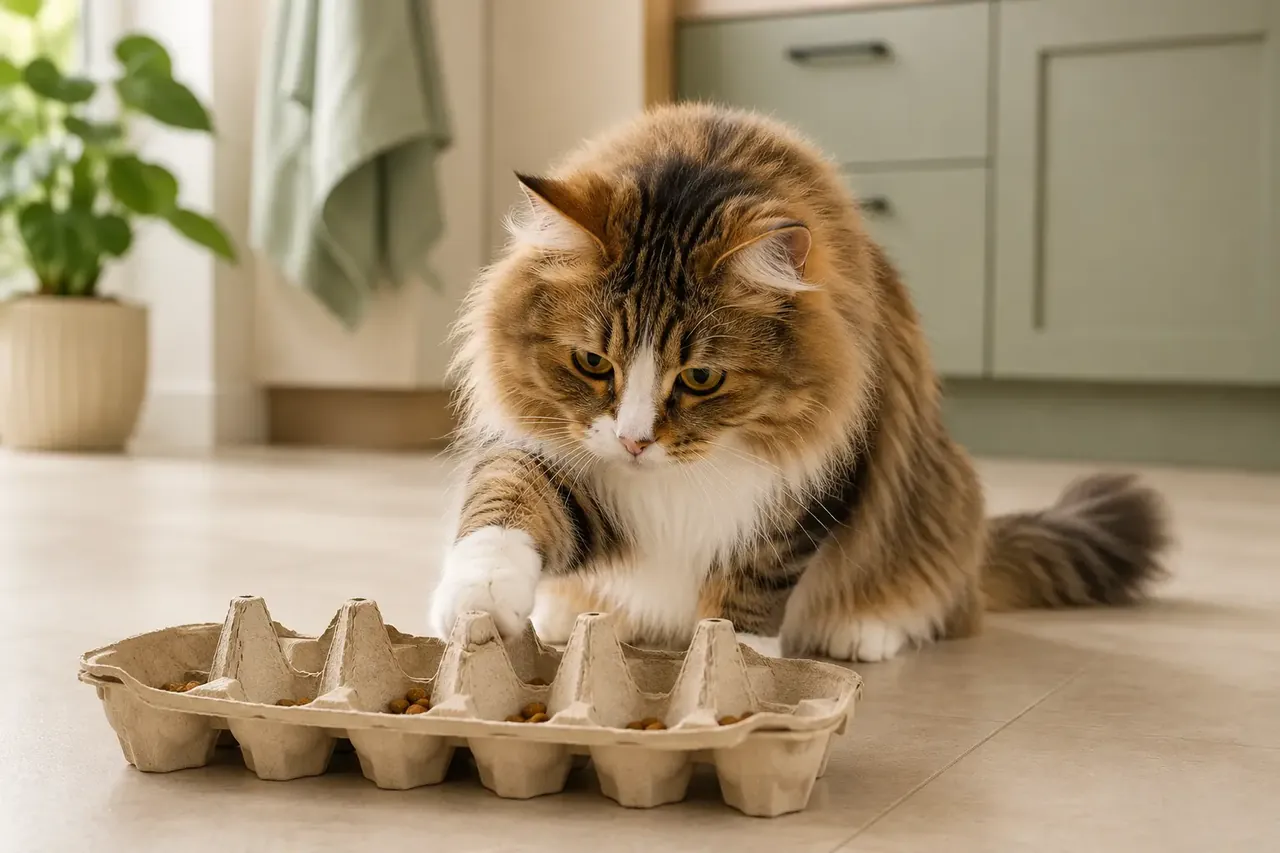 Topic illustration selected for this guide. Some learning images may be AI-assisted.
A small plain blueberry is generally low risk for a healthy cat, but cats do not need fruit. Cut or crush one berry, avoid sweetened products and stop if digestion changes.
Can cats eat blueberries — the quick answer
✓ Sometimes: One or two washed, halved berries may be offered occasionally.
✓ Keep extras small and plain
✓ Call a veterinarian if symptoms or a toxic exposure are possible
The short answer is sometimes: One or two washed, halved berries may be offered occasionally. A cat's main diet should still be complete and balanced for their life stage.
The short answer
Blueberries are not commonly listed as toxic to cats, so one small washed berry can be an occasional taste for many healthy adults. They are not a feline superfood and do not supply anything a complete cat food should be missing. A cat that ignores fruit does not need an alternative fruit serving; ordinary measured cat treats are usually more useful and appealing.
Prepare one berry safely
Wash the berry, remove any stem and cut or gently crush it so a cat cannot gulp a firm round piece. Offer one small piece while supervising, then put the rest away. Do not offer a handful based on a human portion. A new treat should never displace the cat's normal complete food or become a way to persuade a cat to eat less of a prescribed diet.
Avoid mixed blueberry foods
Muffins, pie, jam, syrup, sweetened dried berries, yogurt and chocolate-covered fruit are not equivalent to a plain berry. They may contain excess sugar, fat, dairy, chocolate, raisins, alcohol, xylitol or other unsuitable ingredients. Check the complete label after accidental ingestion and keep the package. The risk may come from another ingredient rather than the blueberry.
Skip blueberries for some cats
Ask the veterinary team before adding extras when a cat has diabetes, digestive disease, food allergy, obesity, difficulty swallowing or a prescription diet. Even a low-calorie fruit can disrupt a carefully controlled feeding plan or trigger digestive upset in an individual cat. Kittens should receive food and treats appropriate to growth instead of experimenting with human snack foods.
Know what to monitor
Stop offering blueberries if vomiting, diarrhoea, gas, discomfort or reduced interest in normal food follows. Choking, repeated vomiting, marked weakness, facial swelling or breathing difficulty requires prompt veterinary help. If the cat ate a mixed product, tell the clinic every ingredient, the estimated amount, timing and the cat's health conditions rather than focusing only on the word blueberry.
Keep treats in proportion
Treats and human foods should remain a small part of daily energy intake so the complete diet continues to provide balanced nutrition. Use a piece of the normal food ration for rewards when weight or health needs strict control. Blueberries are optional enrichment, not a preventive treatment, antioxidant supplement or substitute for veterinary care.
Your quick checklist
Loading saved progress…
Three simple things you can do
You do not have to change everything today. Pick one step that feels realistic, try it and see how your cat responds.
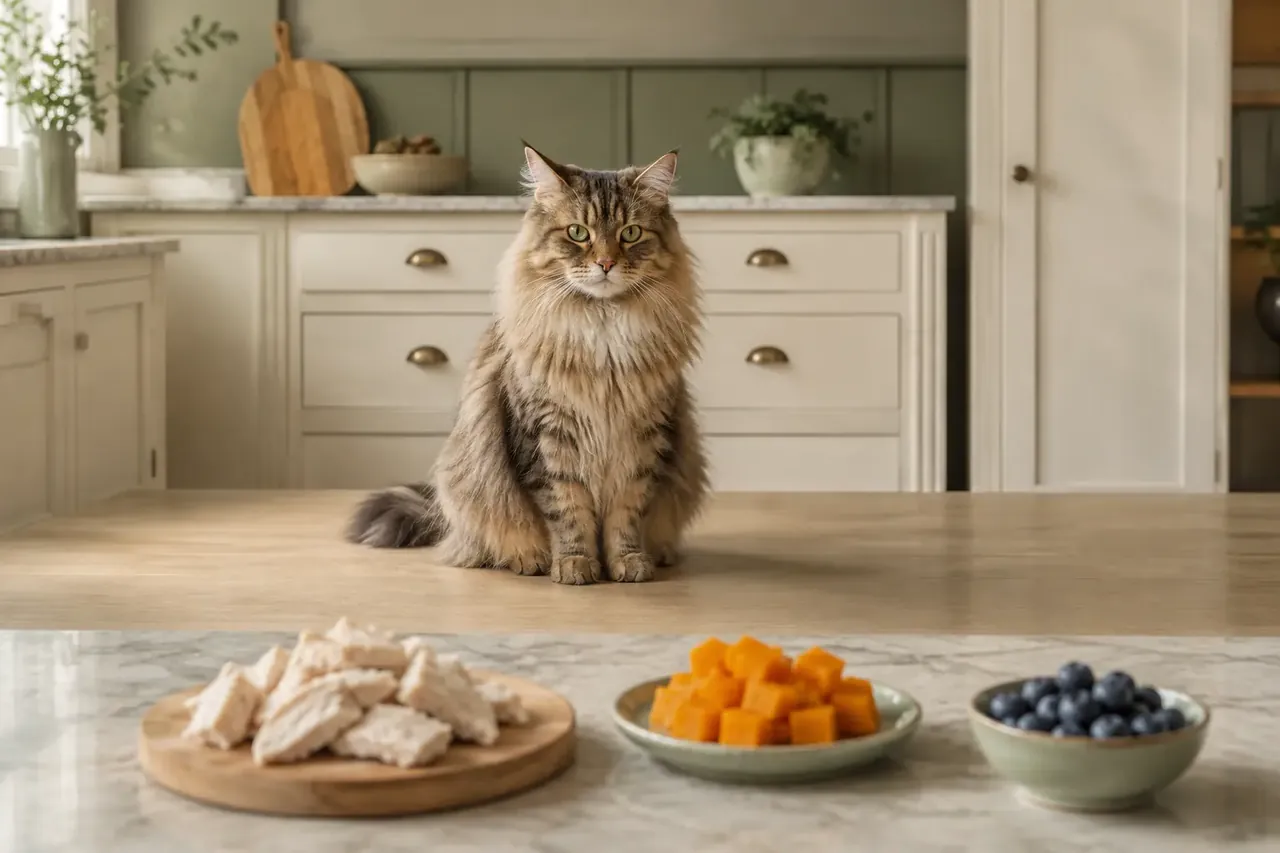
- 1Offer no more than one small washed berry, cut or gently crushed.
- 2Watch the cat while eating to reduce choking risk.
- 3Keep fruit treats rare and within the daily calorie allowance.
Common mistakes
×Giving sweetened dried berries or pie filling.
×Offering a handful based on human serving sizes.
×Assuming antioxidant marketing makes fruit necessary for cats.
Questions cat people ask
Can cats eat blueberries?+
One small plain washed blueberry is generally not toxic for many healthy cats, but cats do not need fruit and may dislike it.
Are blueberries healthy for cats?+
Complete cat food already supplies required nutrients. Any theoretical benefit does not justify large portions or replacing balanced food.
Still looking for the right answer?
Search the full EverYes Cats encyclopedia with your own words — a symptom, food, behaviour, breed or everyday question.
Checked, dated and transparent
- Prepared by
- EverYes Cats editorial team
- Last updated
- Source checked
- Primary reference
- WSAVA Global Nutrition Guidelines ↗
We begin with the named reference, rewrite the information in plain language and add practical cat-parent steps. Urgent health statements are checked against veterinary sources. This guide has not been individually reviewed by a veterinarian unless explicitly stated. It provides education, not diagnosis or treatment.
How we choose and use sources →
Spotted something unclear or outdated? Tell us so we can review it.
Loading your saved choice…
Do not deliberately offer grapes, raisins, sultanas or currants to cats. Kidney toxicity is well established in dogs rather than cats, but feline evidence is limited and mixed products may contain additional hazards.
 01
 02
 03
 05