Why does my cat keep changing sleeping spots?
Cats often rotate sleeping places to manage warmth, noise, light and security. The pattern is usually normal when your cat settles comfortably and eating, movement and social behaviour remain unchanged.
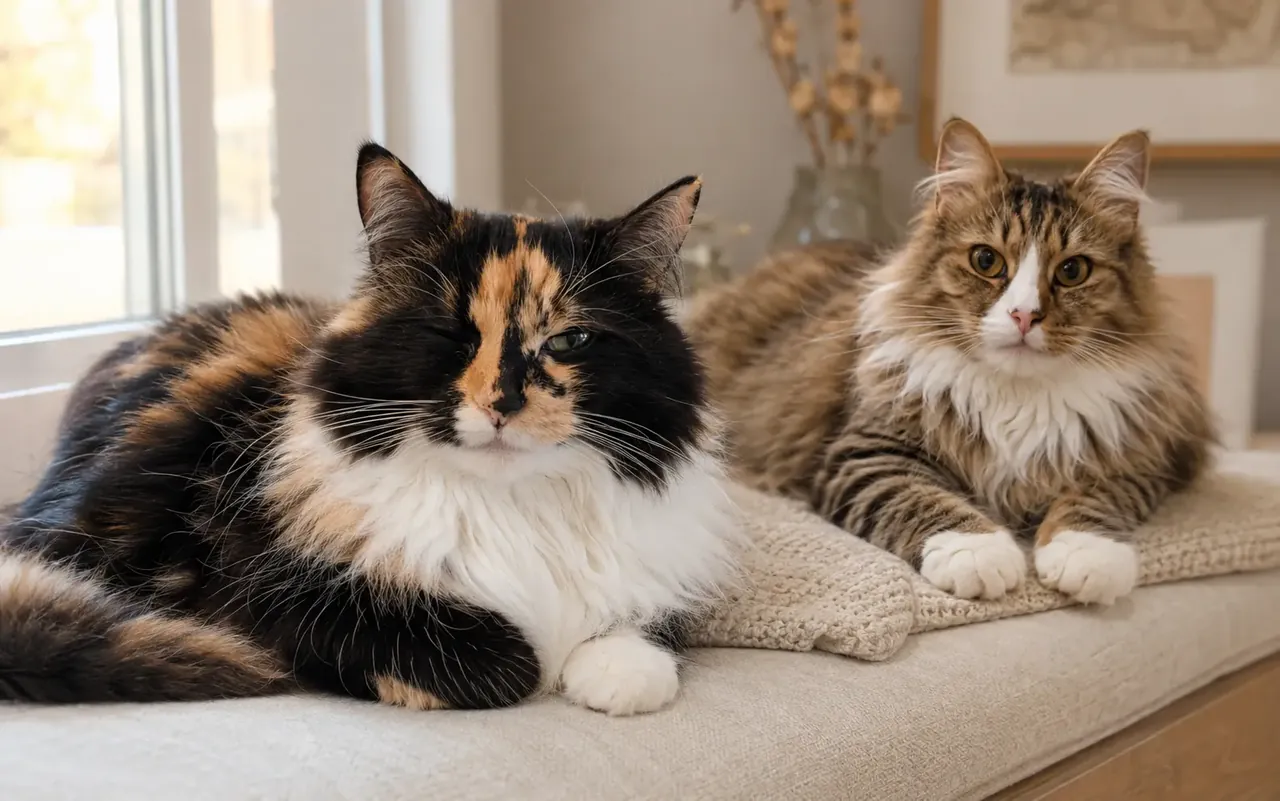 Topic illustration selected for this guide. Some learning images may be AI-assisted.
Why does my cat keep changing sleeping spots — the quick answer
✓ Temperature, quiet, security and routine can make different beds appealing at different times
✓ Offer several warm, cool, high and hidden options and let the cat choose.
✓ Sudden hiding, restlessness, pain signs or inability to settle needs veterinary assessment.
Temperature, quiet, security and routine can make different beds appealing at different times. Rotating between safe resting places is common when the cat remains relaxed and otherwise behaves normally.
The short answer
Temperature, quiet, security and routine can make different beds appealing at different times. Rotating between safe resting places is common when the cat remains relaxed and otherwise behaves normally.
What to observe first
Compare the moment with your cat’s usual pattern. Note timing, frequency, body language, appetite, litter-box use, mobility and any recent household change.
Why the setting matters
Rotating between safe resting places is common when the cat remains relaxed and otherwise behaves normally. One isolated detail rarely explains behaviour or health on its own, so look at the whole cat and the immediate environment.
What you can do
Offer several warm, cool, high and hidden options and let the cat choose.
A gentle way to test it
Make one small safe adjustment and give the cat time and choice. Avoid punishment, forced handling and several changes at once, because they make the response harder to understand.
When to contact a veterinarian
Sudden hiding, restlessness, pain signs or inability to settle needs veterinary assessment.
Prepare useful information
Write down when it began and how often it occurs. A short video, clear photo, food record or litter record can help a veterinary professional assess a pattern that may not appear during the appointment.
Map what each sleeping spot offers
Compare temperature, height, cover, sunlight, household traffic and nearby sounds. A windowsill may suit a cool morning, while a covered bed feels safer when visitors arrive. Keep several choices available instead of repeatedly moving the cat back to one bed.
DEEPER GUIDE1 more detailed sectionsOpen +
Separate preference from restlessness
A relaxed cat curls up, changes position normally and wakes easily. Repeatedly getting up, hiding unusually, breathing faster, seeming unable to lie comfortably or abandoning favourite places can point to pain, heat stress or illness and deserves veterinary advice.
Your quick checklist
Your progress is saved on this device.
Three simple things you can do
You do not have to change everything today. Pick one step that feels realistic, try it and see how your cat responds.
- 1Offer beds with different warmth, height and enclosure.
- 2Respect rotation and keep escape routes open.
- 3Notice sudden avoidance paired with health changes.
Common mistakes
×Moving the cat back repeatedly.
×Assuming a new spot means rejection.
×Blocking all alternative rests.
Questions cat people ask
Why does my cat keep changing beds?+
Temperature, light, noise, scent, security and novelty can change which resting place feels best.
Is changing sleep spots normal?+
Often yes; concern rises with restlessness, pain, hiding, breathing change or inability to settle.
Still looking for the right answer?
Search the full EverYes Cats encyclopedia with your own words — a symptom, food, behaviour, breed or everyday question.
Checked, dated and transparent
- Prepared by
- EverYes Cats editorial team
- Last updated
- 13 August 2026
- Source checked
- 13 August 2026
- Primary reference
- International Cat Care ↗
We begin with the named reference, rewrite the information in plain language and add practical cat-parent steps. Urgent health statements are checked against veterinary sources. This guide has not been individually reviewed by a veterinarian unless explicitly stated. It provides education, not diagnosis or treatment.
Spotted something unclear or outdated? Tell us so we can review it.
Your answer helps us improve the cat encyclopedia.
A new place may reflect temperature, noise or routine, but sudden relocation can accompany stress or discomfort. Learn what to observe, what to try safely and when to seek help.