Why does my cat suddenly wake and run from sleep?
An occasional sudden wake-and-run can follow a dream, sound or touch. Repeated episodes with abnormal movement or confusion need veterinary assessment.
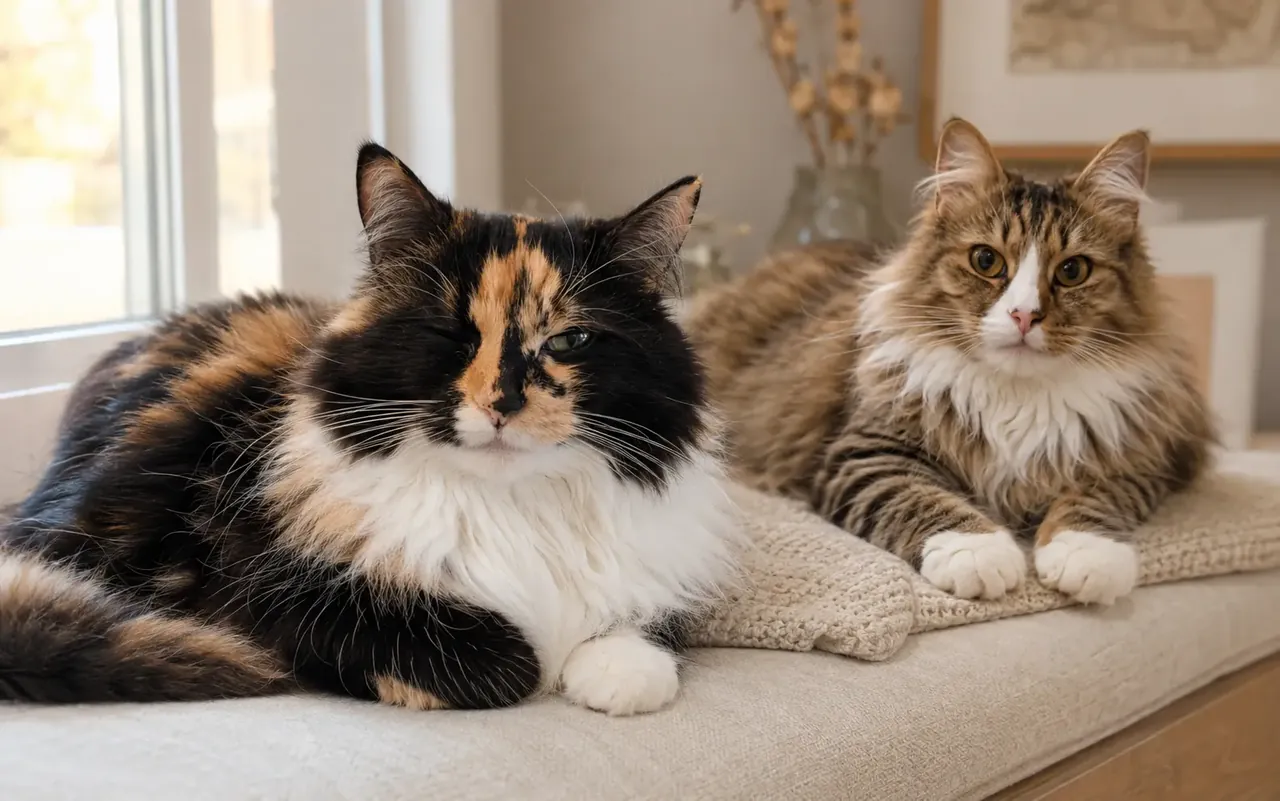 Topic illustration selected for this guide. Some learning images may be AI-assisted.
Why does my cat suddenly wake and run from sleep — the quick answer
✓ A dream, noise, touch or brief startle can trigger a rapid escape
✓ Keep the sleep area quiet, avoid waking by touch and film recurrent episodes safely.
✓ Collapse, rigid paddling, drooling, prolonged confusion or repeated episodes needs urgent veterinary assessment.
A dream, noise, touch or brief startle can trigger a rapid escape. An occasional event is different from repeated episodes with confusion or abnormal movement.
The short answer
A dream, noise, touch or brief startle can trigger a rapid escape. An occasional event is different from repeated episodes with confusion or abnormal movement.
What to observe
Note body movement, responsiveness, duration and behaviour immediately afterward.
How to read the situation
An occasional event is different from repeated episodes with confusion or abnormal movement. Compare the pattern with your cat’s usual behaviour and consider timing, body language, appetite, litter-box use, mobility and recent changes.
What to do now
Keep the sleep area quiet, avoid waking by touch and film recurrent episodes safely.
What not to do
Do not punish, frighten, force or repeatedly test the cat. Avoid changing several things at once, because that makes the response harder to interpret.
When to contact a veterinarian
Collapse, rigid paddling, drooling, prolonged confusion or repeated episodes needs urgent veterinary assessment.
What to record
Write down when it began, how often it happens and what occurs immediately before and after. A short video, clear photo, food record or litter record can give the veterinary team useful context.
What to check first
Record duration, responsiveness, breathing, body stiffness, paddling, drooling and behaviour immediately after the event. Film safely when possible.
DEEPER GUIDE1 more detailed sectionsOpen +
What to do next
Keep the sleep area quiet and hazard-free and let the cat wake naturally. Do not restrain unusual movements or put hands near the mouth. Collapse, prolonged rigid movement, breathing trouble, repeated seizures or confusion that does not clear is urgent.
Your quick checklist
Your progress is saved on this device.
Three simple things you can do
You do not have to change everything today. Pick one step that feels realistic, try it and see how your cat responds.
- 1Let the cat orient before touching.
- 2Observe how quickly normal behavior returns.
- 3Record recurrent unusual episodes.
Common mistakes
×Startling the cat awake intentionally.
×Calling every twitch a seizure.
×Ignoring collapse or prolonged confusion.
Questions cat people ask
Why does my cat suddenly jump awake?+
Dreaming, noise, touch or normal alertness can cause a brief startle.
When should I call a vet?+
Seek advice for repeated episodes with stiffening, drooling, loss of awareness, weakness or confusion.
Still looking for the right answer?
Search the full EverYes Cats encyclopedia with your own words — a symptom, food, behaviour, breed or everyday question.
Checked, dated and transparent
- Prepared by
- EverYes Cats editorial team
- Last updated
- 14 August 2026
- Source checked
- 14 August 2026
- Primary reference
- Cornell Feline Health Center ↗
We begin with the named reference, rewrite the information in plain language and add practical cat-parent steps. Urgent health statements are checked against veterinary sources. This guide has not been individually reviewed by a veterinarian unless explicitly stated. It provides education, not diagnosis or treatment.
Spotted something unclear or outdated? Tell us so we can review it.
Your answer helps us improve the cat encyclopedia.
Small irregular paw, whisker, ear or tail movements during relaxed sleep are commonly associated with dreaming. Stiffening, repeated whole-body movement, drooling or confusion afterward needs a different response.