Sun safety for white and pale-coloured cats
Cats with white or thinly furred ears and noses can suffer sunburn and have increased skin-cancer risk. Limit strong sun exposure and ask a veterinarian about cat-safe protection.
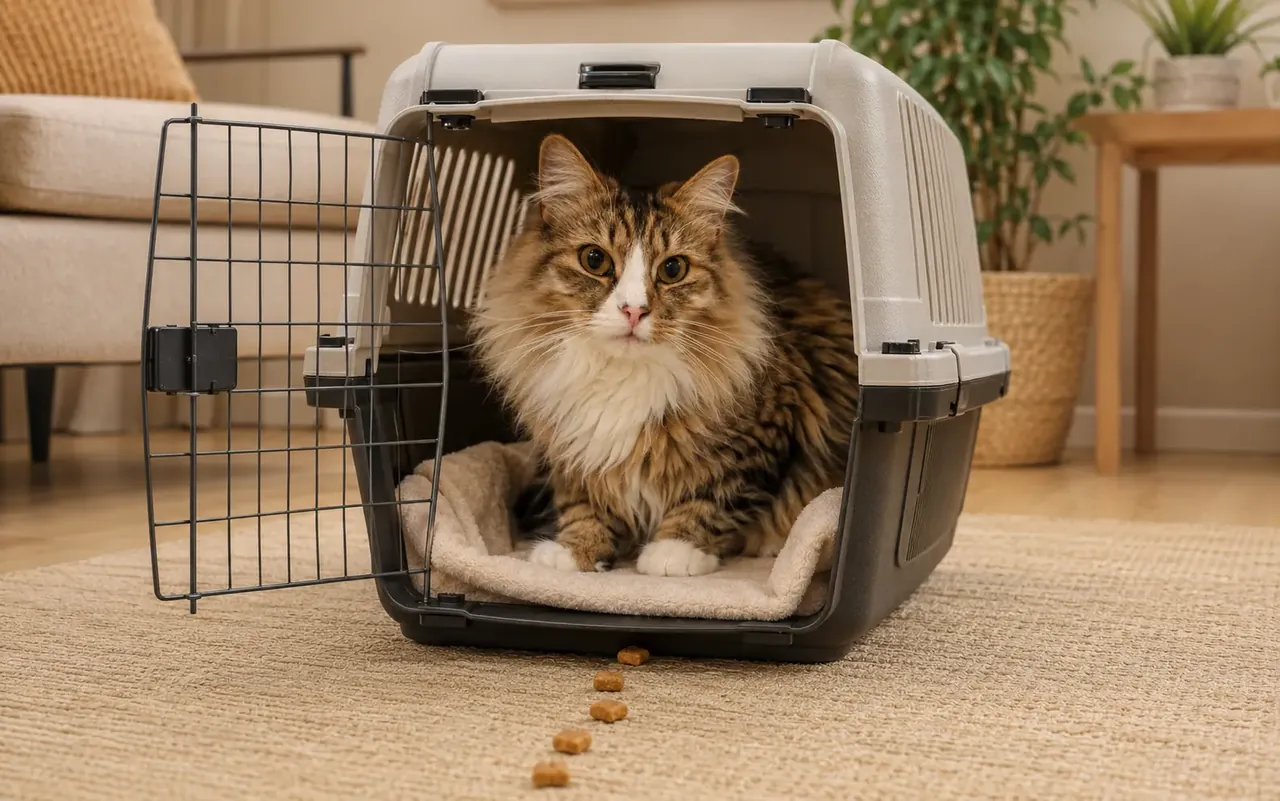 Topic illustration selected for this guide. Some learning images may be AI-assisted.
Sun safety for white and pale-coloured cats — the quick answer
✓ Repeated ultraviolet exposure can cause inflammation and increase the risk of skin cancer.
✓ Limit strong midday sun and ask a veterinarian about cat-safe protection rather than applying human sunscreen.
✓ Persistent redness, crusting, sores or changes to ear tips or nose need veterinary examination.
Cats with white or lightly pigmented skin are more vulnerable to sun damage, particularly on ear tips and noses.
The short answer
Cats with white or lightly pigmented skin are more vulnerable to sun damage, particularly on ear tips and noses.
Why it may happen
Repeated ultraviolet exposure can cause inflammation and increase the risk of skin cancer.
Read the whole situation
One behaviour rarely has one guaranteed meaning. Compare it with your cat’s age, health, posture, appetite, litter habits, environment and usual pattern before drawing a conclusion.
What to do now
Limit strong midday sun and ask a veterinarian about cat-safe protection rather than applying human sunscreen.
What not to do
Avoid punishment, forced handling and sudden large changes. They can add fear while hiding the information that would help you understand the original cause.
When to contact a veterinarian
Persistent redness, crusting, sores or changes to ear tips or nose need veterinary examination.
Keep a useful record
Write down when it started, how often it happens and what immediately precedes and follows it. Photos, weights or short videos can make a veterinary or behaviour consultation more productive.
What to check first
Check ear tips, nose, eyelids and sparse areas for redness, scaling, crusting, sores or repeated scratching. Window glass may reduce some rays but does not make prolonged sun exposure risk-free.
DEEPER GUIDE1 more detailed sectionsOpen +
What to do next
Provide shade, keep high-risk cats indoors during strongest sunlight and use only products specifically approved by a veterinarian for cats. Human sunscreens may contain unsafe ingredients. Persistent crusts, ulcers, bleeding, pain or a non-healing skin change needs prompt veterinary examination.
Your quick checklist
Your progress is saved on this device.
Three simple things you can do
You do not have to change everything today. Pick one step that feels realistic, try it and see how your cat responds.
- 1Limit strong midday sun for pale, white or sparsely furred cats.
- 2Use shade, screened windows and veterinarian-approved pet sunscreen when advised.
- 3Check ear tips and nose for redness, crusting or non-healing sores.
Common mistakes
×Using human sunscreen containing unsafe ingredients.
×Assuming indoor window sun has no effect.
×Picking crusts from ear tips.
Questions cat people ask
Which cats get sunburn most easily?+
White and pale cats, especially on thin-haired ears, nose and eyelids, are at greater risk.
Can sun exposure cause cancer in cats?+
Chronic ultraviolet exposure can contribute to squamous cell carcinoma. Persistent crusting or sores need prompt examination.
Still looking for the right answer?
Search the full EverYes Cats encyclopedia with your own words — a symptom, food, behaviour, breed or everyday question.
Checked, dated and transparent
- Prepared by
- EverYes Cats editorial team
- Last updated
- 14 August 2026
- Source checked
- 14 August 2026
- Primary reference
- Cornell Feline Health Center ↗
We begin with the named reference, rewrite the information in plain language and add practical cat-parent steps. Urgent health statements are checked against veterinary sources. This guide has not been individually reviewed by a veterinarian unless explicitly stated. It provides education, not diagnosis or treatment.
Spotted something unclear or outdated? Tell us so we can review it.
Your answer helps us improve the cat encyclopedia.
Cool spaces, hydration and the signs of heatstroke that cannot wait.