Cat overgrooming: stress, itch or pain?
Excessive grooming can result from itch, parasites, allergy, pain, neurological sensation or stress. Pattern and skin examination matter; do not label it anxiety until medical causes have been assessed.
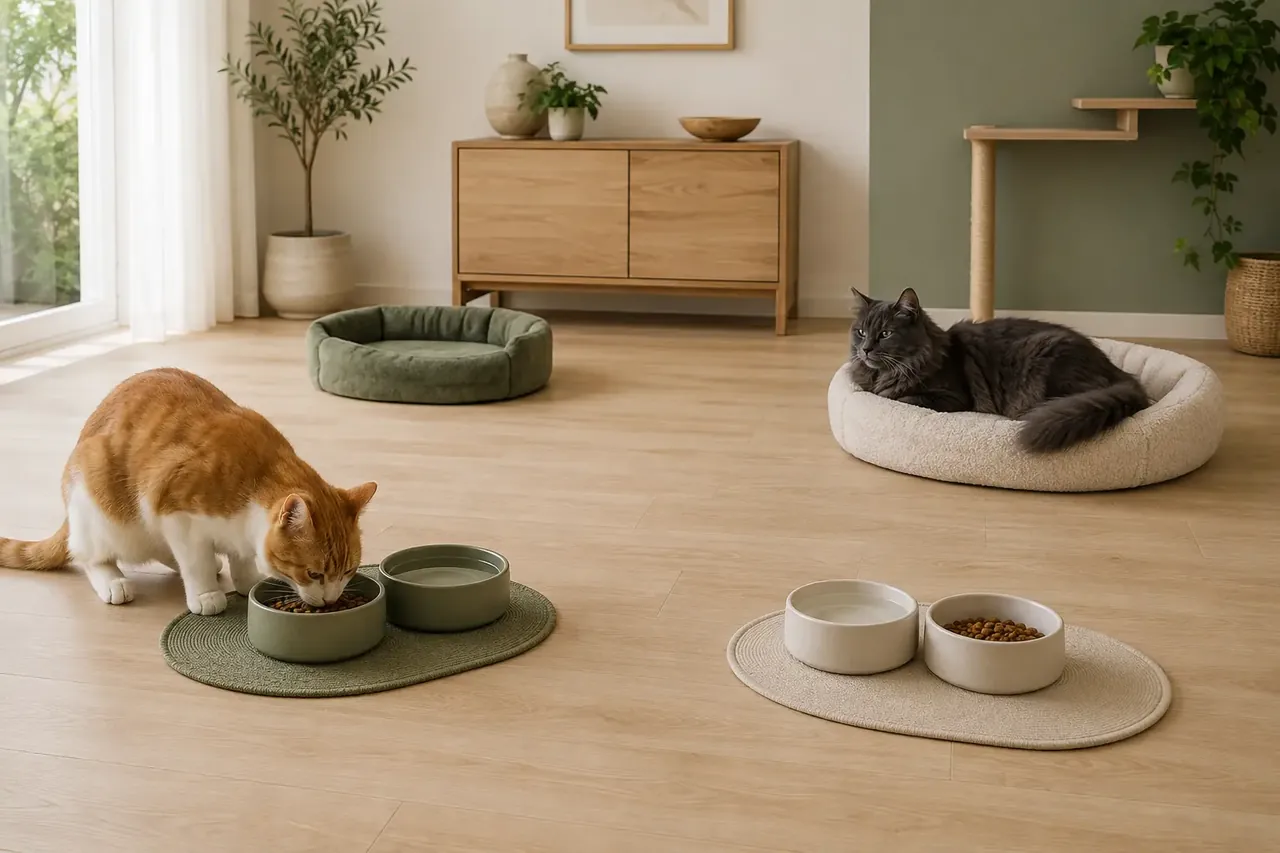 Topic illustration selected for this guide. Some learning images may be AI-assisted.
Cat overgrooming: stress, itch or pain — the quick answer
✓ Parasites, allergy, pain, neurological sensation and stress can all drive excessive grooming.
✓ Photograph the pattern and book a veterinary examination while reducing environmental pressure.
✓ Read the complete body and setting
✓ Open skin, infection, severe agitation or rapid spread needs prompt care. Never apply human creams or essential oils.
Short hair or bald skin appears on the belly, legs or sides, often without witnessed grooming. Parasites, allergy, pain, neurological sensation and stress can all drive excessive grooming. This guide helps you read the moment, protect the relationship and choose a response that works for the cat as well as the household.
Separate grooming from hair loss
Cats normally groom often, so the clearest clues may be shortened hair, symmetrical thinning, bald patches, redness or repeated focus on one area. Record where the tongue reaches and whether hairs look broken rather than falling from the root.
Map the pattern and timing
Photograph the same areas in similar light and note licking episodes, scratching, skin twitching, meals, litter use, household changes and parasite prevention. Licking one painful joint or abdomen suggests a different investigation from widespread itch.
Arrange a veterinary examination
Parasites, skin infection, allergy, pain and other disease can look behavioural. Bring the timeline, photos and exact products used. A cat may remove evidence by grooming, so normal-looking skin does not rule out discomfort.
Reduce pressure without masking the cause
Maintain predictable routines, safe hiding, separated resources and daily choice-based play while the medical work-up proceeds. Prevent access to unsafe topical products. Do not use essential oils, bitter substances, human creams or punishment on the skin.
When overgrooming is urgent
Prompt care is needed for open skin, bleeding, swelling, infection, severe agitation, rapid spread or reduced eating. Sudden intense licking with urinary straining, collapse, weakness or breathing difficulty requires urgent veterinary assessment.
Your quick checklist
Loading saved progress…
Three simple things you can do
You do not have to change everything today. Pick one step that feels realistic, try it and see how your cat responds.
- 1Observe your cat’s individual baseline.
- 2Make one gentle change at a time.
- 3Ask a qualified professional when health or safety is involved.
Common mistakes
×Waiting for a dramatic symptom instead of noticing smaller changes from the cat’s normal routine.
×Changing several things at once, making it difficult to learn what actually helped.
×Treating general guidance as a substitute for advice from a veterinarian who knows the individual cat.
Questions cat people ask
Does every cat follow the same rule?+
No. Age, health, history, temperament and environment all change what works for an individual.
When should I seek professional help?+
Seek veterinary advice for sudden, persistent or concerning changes and urgent help for breathing difficulty, collapse, seizures, poisoning or urinary obstruction signs.
Still looking for the right answer?
Search the full EverYes Cats encyclopedia with your own words — a symptom, food, behaviour, breed or everyday question.
Checked, dated and transparent
- Prepared by
- EverYes Cats editorial team
- Last updated
- Source checked
- Primary reference
- Cornell: Cats that lick too much ↗
We begin with the named reference, rewrite the information in plain language and add practical cat-parent steps. Urgent health statements are checked against veterinary sources. This guide has not been individually reviewed by a veterinarian unless explicitly stated. It provides education, not diagnosis or treatment.
How we choose and use sources →
Spotted something unclear or outdated? Tell us so we can review it.
Loading your saved choice…
Pica means chewing or swallowing non-food materials such as fabric, plastic, string or litter. It has medical, nutritional, developmental and behavioural contributors, and ingestion can cause a life-threatening obstruction.
 01
 03
 05