Why Does My Cat's Nose Change From Wet to Dry?
A cat's nose can naturally change from wet to dry with sleep, grooming, drinking, room temperature and humidity. Nose moisture by itself cannot diagnose fever, dehydration or illness.
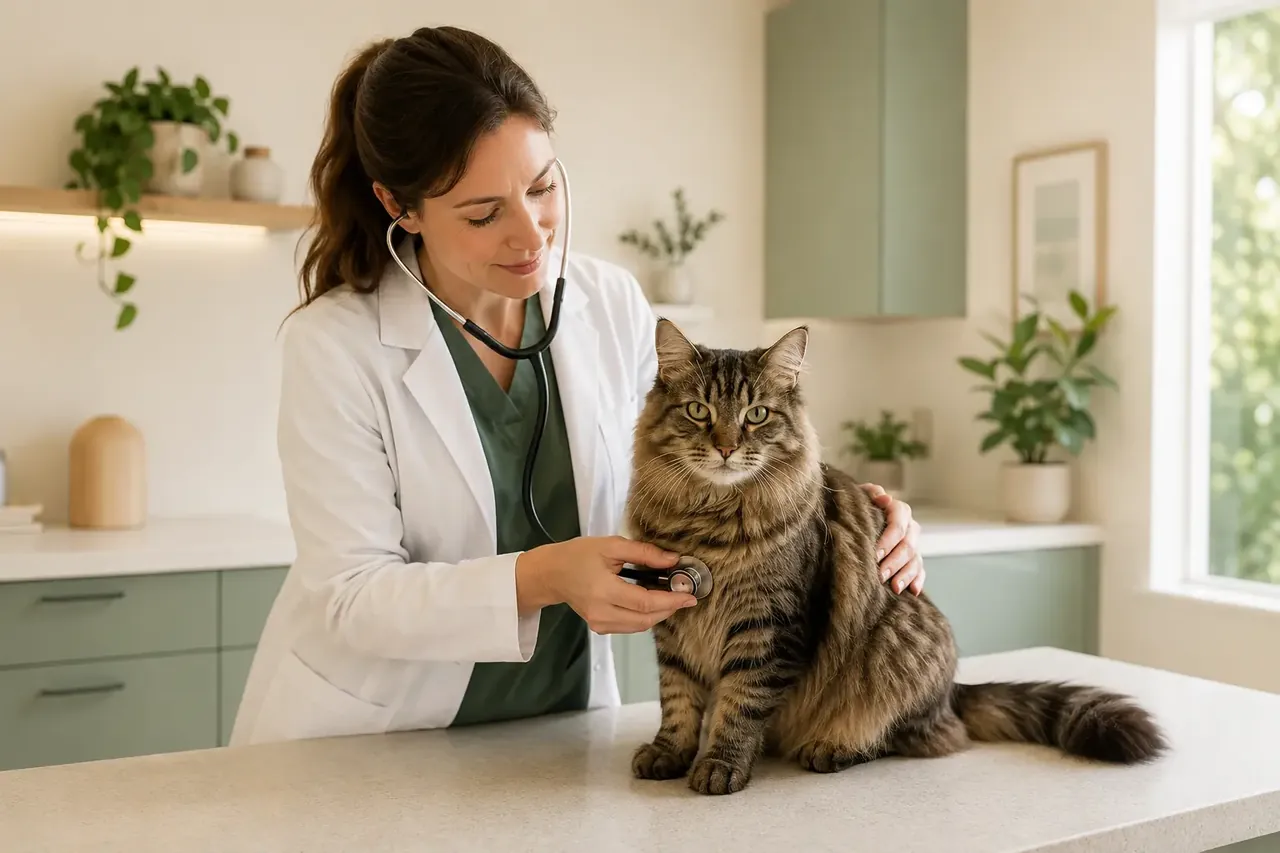 Topic illustration selected for this guide. Some learning images may be AI-assisted.
Why Does My Cat's Nose Change From Wet to Dry — the quick answer
✓ A nose can change with sleep, grooming, room conditions and drinking, so moisture alone is not a health test.
✓ Provide fresh water and monitor the whole cat rather than repeatedly touching the nose.
✓ Breathing difficulty, persistent discharge or illness behaviour needs veterinary care.
A nose can change with sleep, grooming, room conditions and drinking, so moisture alone is not a health test. The full situation matters more than one isolated moment.
Look beyond whether the nose feels wet or dry
Sleep, grooming, drinking and room conditions can change nose moisture. Appetite, breathing, energy and persistent discharge give more useful information.
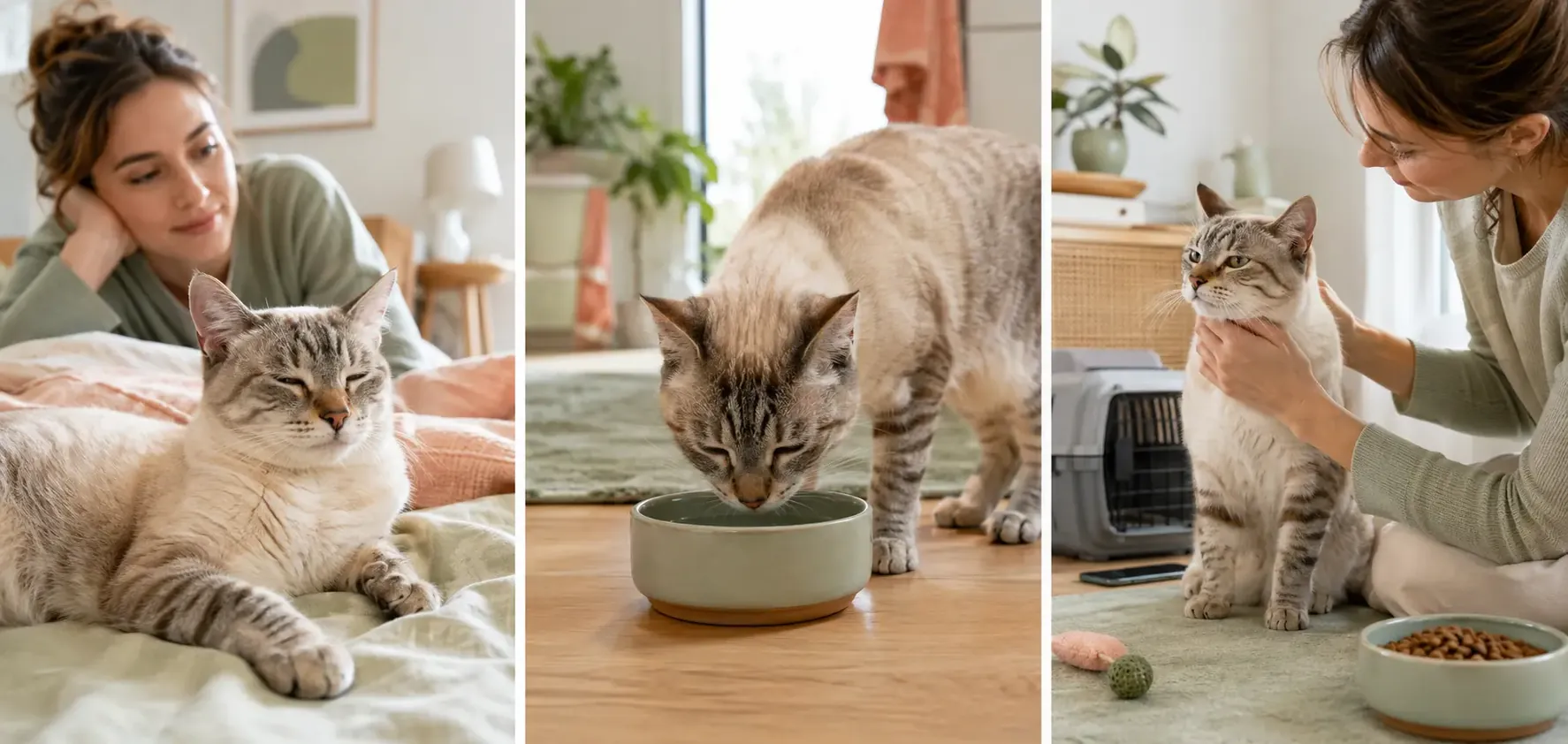
- 1Compare with the normal pattern
A temporarily dry nose after sleep or warm air can be ordinary when your cat otherwise behaves, eats and breathes normally.
- 2Expect moisture to vary
Drinking and grooming may leave the nose damp for a while; avoid repeatedly touching it or applying creams without veterinary advice.
- 3Check the whole cat
Arrange care for persistent discharge, blood, crusting, swelling, colour change, noisy breathing, poor appetite or lethargy; breathing difficulty is urgent.
The quick answer
A nose can change with sleep, grooming, room conditions and drinking, so moisture alone is not a health test.
What to observe first
Look at appetite, energy, breathing and any discharge, cracking or swelling.
Why context matters
Compare timing, body language, appetite, litter use, mobility and recent household changes with this cat's ordinary pattern.
What to do today
Provide fresh water and monitor the whole cat rather than repeatedly touching the nose.
Try one gentle change
Change one part of the setup at a time and let the cat choose whether to approach, remain or leave. Avoid punishment and forced handling.
When to call a veterinarian
Breathing difficulty, persistent discharge or illness behaviour needs veterinary care.
What to record
Note when it happens, how long it lasts and what occurs before and after. A short video plus appetite, water and litter notes can be useful.
The practical takeaway
Start with this safe step: Provide fresh water and monitor the whole cat rather than repeatedly touching the nose. Use the warning guidance above when the pattern is new, persistent or paired with illness signs.
DEEPER GUIDE2 more detailed sectionsOpen +
Why normal nose moisture changes
A recently grooming or drinking cat may have a damp nose, while sleep, warm air or low humidity can leave it temporarily dry. Some healthy cats simply vary more than others. Repeatedly touching the nose gives less useful information than appetite, activity, breathing, urine, stool and the cat's usual behaviour.
Look beyond wet or dry
Arrange veterinary advice when a nose change comes with persistent discharge, blood, crusting, cracking, swelling, colour change, noisy breathing, poor appetite or lethargy. Open-mouth breathing, marked breathing effort, collapse or blue, grey or very pale gums is urgent regardless of how the nose feels.
Your quick checklist
Your progress is saved on this device.
Three simple things you can do
You do not have to change everything today. Pick one step that feels realistic, try it and see how your cat responds.
- 1Compare the nose with your cat's usual pattern rather than one moment.
- 2Check appetite, breathing, energy and discharge.
- 3Photograph persistent crusting, swelling or colour change for the clinic.
Common mistakes
×Using a dry nose as a fever test.
×Repeatedly touching or wetting the nose.
×Ignoring breathing difficulty or illness because the nose feels cool.
Questions cat people ask
Why does my cat's nose change from wet to dry?+
Sleep, grooming, drinking, room temperature and humidity can all change surface moisture during an ordinary day.
Does a dry nose mean my cat is sick?+
Not by itself. Appetite, energy, breathing and persistent discharge, crusting or swelling are more useful signs. A thermometer and veterinary assessment—not nose moisture—evaluate fever.
Still looking for the right answer?
Search the full EverYes Cats encyclopedia with your own words — a symptom, food, behaviour, breed or everyday question.
Checked, dated and transparent
- Prepared by
- EverYes Cats editorial team
- Last updated
- 20 August 2026
- Source checked
- 20 August 2026
- Primary reference
- Cornell Feline Health Center ↗
We begin with the named reference, rewrite the information in plain language and add practical cat-parent steps. Urgent health statements are checked against veterinary sources. This guide has not been individually reviewed by a veterinarian unless explicitly stated. It provides education, not diagnosis or treatment.
Spotted something unclear or outdated? Tell us so we can review it.
Your answer helps us improve the cat encyclopedia.
Angle and uneven light can change appearance, but true unequal pupil size can signal an eye or neurological problem. Learn what to observe, what to try safely and when to seek help.