When should you update a cat’s microchip details?
Update a cat's microchip record whenever contact details or ownership change. The chip is useful only when the correct registry can reach the current keeper.
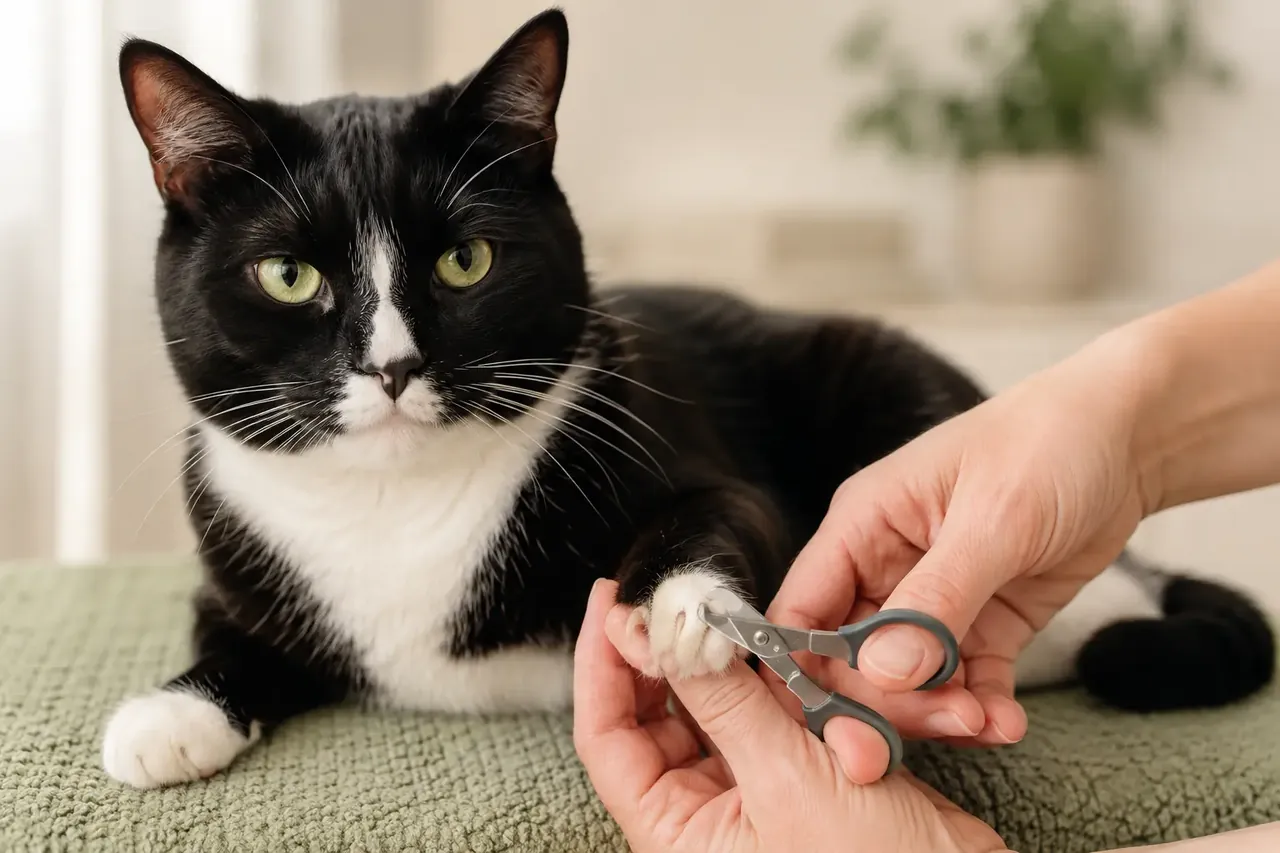 Topic illustration selected for this guide. Some learning images may be AI-assisted.
When should you update a cat’s microchip details — the quick answer
✓ A microchip only helps reunification when the registry can reach the current keeper
✓ Check the registered database after every contact change and ask the clinic to scan the chip at routine visits.
✓ A microchip does not provide GPS tracking; report a missing cat promptly through local channels.
A microchip only helps reunification when the registry can reach the current keeper. Moving, changing phone number or transferring ownership can make old records useless.
The short answer
A microchip only helps reunification when the registry can reach the current keeper. Moving, changing phone number or transferring ownership can make old records useless.
What to observe first
Compare the moment with your cat’s usual pattern. Note timing, frequency, body language, appetite, litter-box use, mobility and any recent household change.
Why the setting matters
Moving, changing phone number or transferring ownership can make old records useless. One isolated detail rarely explains behaviour or health on its own, so look at the whole cat and the immediate environment.
What you can do
Check the registered database after every contact change and ask the clinic to scan the chip at routine visits.
A gentle way to test it
Make one small safe adjustment and give the cat time and choice. Avoid punishment, forced handling and several changes at once, because they make the response harder to understand.
When to contact a veterinarian
A microchip does not provide GPS tracking; report a missing cat promptly through local channels.
Prepare useful information
Write down when it began and how often it occurs. A short video, clear photo, food record or litter record can help a veterinary professional assess a pattern that may not appear during the appointment.
Check both the chip and the registry
Ask a veterinary clinic to scan the chip at a routine visit and note its number. Confirm which database holds the record, then verify phone, email and address directly with that registry. A collar tag can provide a faster second route home.
DEEPER GUIDE1 more detailed sectionsOpen +
Know what a microchip cannot do
A standard microchip is identification, not live GPS. If a cat goes missing, contact the registry promptly, tell local veterinary clinics and shelters and follow local search guidance rather than waiting for the chip to transmit a location.
Your quick checklist
Your progress is saved on this device.
Three simple things you can do
You do not have to change everything today. Pick one step that feels realistic, try it and see how your cat responds.
- 1Check the chip number and registry during routine veterinary visits.
- 2Update phone, email, address and emergency contact after every change.
- 3Keep the registration confirmation and chip number in accessible records.
Common mistakes
×Assuming implantation automatically registered the chip.
×Registering with only an old phone number.
×Relying on a collar tag instead of a microchip.
Questions cat people ask
How do I update my cat's microchip details?+
Find the registry linked to the chip number and follow its official update process. A veterinarian or scanner can help identify the registry if records are missing.
Do microchips track a cat's location?+
No. Standard pet microchips are passive identification devices read by a scanner; they are not GPS trackers.
Still looking for the right answer?
Search the full EverYes Cats encyclopedia with your own words — a symptom, food, behaviour, breed or everyday question.
Checked, dated and transparent
- Prepared by
- EverYes Cats editorial team
- Last updated
- 13 August 2026
- Source checked
- 13 August 2026
- Primary reference
- Cats Protection ↗
We begin with the named reference, rewrite the information in plain language and add practical cat-parent steps. Urgent health statements are checked against veterinary sources. This guide has not been individually reviewed by a veterinarian unless explicitly stated. It provides education, not diagnosis or treatment.
Spotted something unclear or outdated? Tell us so we can review it.
Your answer helps us improve the cat encyclopedia.
Scratching the wall after toileting is often an extended covering motion caused by a small box, awkward wall position or disliked litter depth.