Can the smell of a food mat put a cat off eating?
Rubber, detergent, fragrance and old food residue can make a feeding mat smell stronger to a cat than to a person. Compare one clean unscented surface while measuring actual intake; do not assume the mat explains a genuine appetite decline.
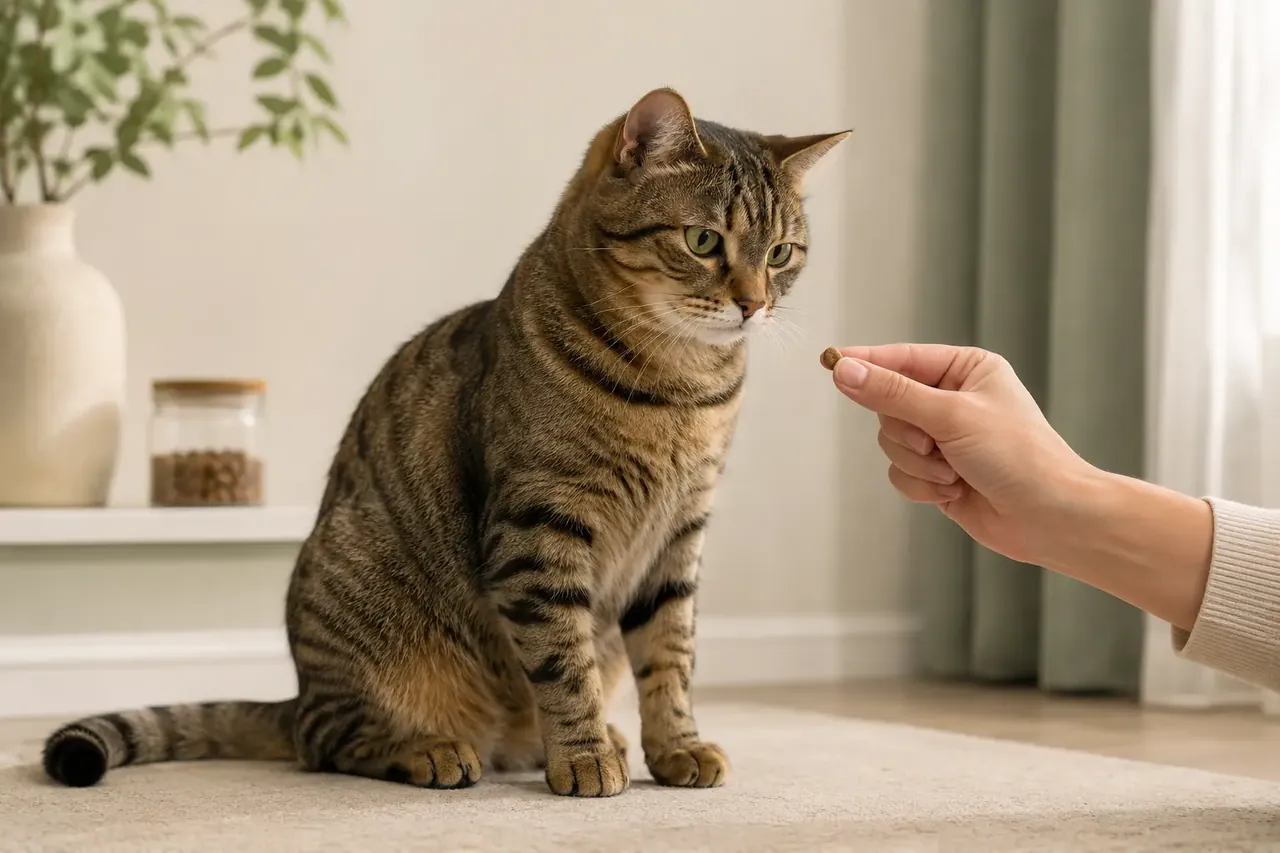
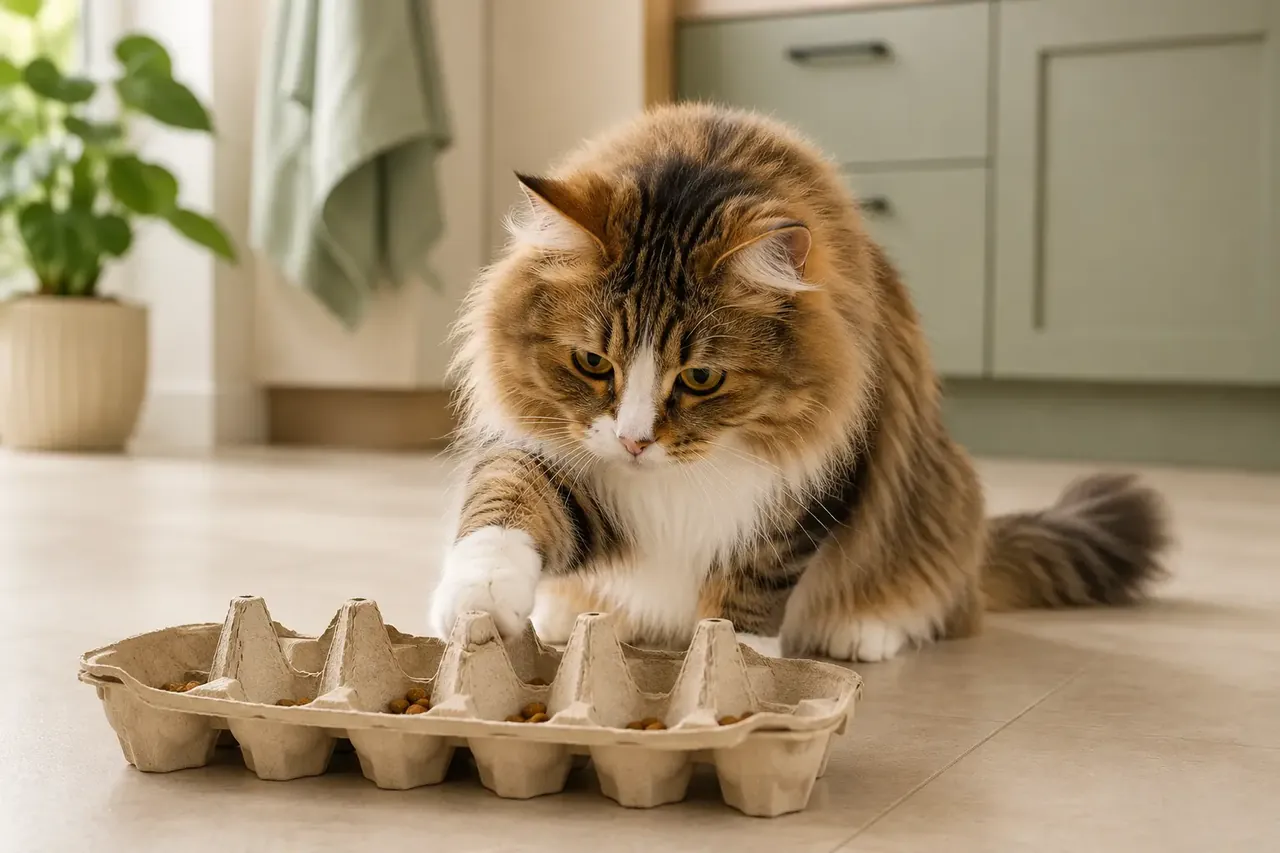 Topic illustration selected for this guide. Some learning images may be AI-assisted.
Can the smell of a food mat put a cat off eating — the quick answer
✓ Rubber, detergent, old food and strong fragrance can change the scent around a sensitive feeding area.
✓ Observe: Compare behaviour with a clean unscented surface and inspect the mat for residue.
✓ Try this: Wash thoroughly or replace it with an inert easy-clean nonslip option.
Rubber, detergent, old food and strong fragrance can change the scent around a sensitive feeding area. The useful question is not only what the moment resembles, but whether it fits this cat’s normal pattern. Context, frequency, recovery and accompanying changes make the interpretation safer and more accurate.
Identify the scent source
Smell the dry mat closely and inspect seams, scratches and the underside for trapped food, grease, mould or cleaner. New rubber and silicone can have a strong odour. Remove the mat temporarily rather than adding fragrance or essential oil to cover it.
Run one controlled comparison
Serve the same measured complete food in the same clean dish and location, first without the mat or on an inert washable surface. Keep timing and portion unchanged. Record food eaten, not just whether the cat approaches.
Choose an easy-clean setup
Use a stable food-safe surface that does not slide, curl or trap moisture. Wash according to instructions with mild unscented soap and rinse thoroughly. Let it dry completely before reuse and replace damaged porous material.
When appetite needs veterinary care
Reduced intake, weight loss, drooling, bad breath, vomiting, repeated lip licking or changed chewing needs veterinary advice. A cat that stops eating or becomes weak should be assessed promptly, especially if overweight or already unwell.
Your quick checklist
Loading saved progress…
Three simple things you can do
You do not have to change everything today. Pick one step that feels realistic, try it and see how your cat responds.
- 1Observe your cat’s individual baseline.
- 2Make one gentle change at a time.
- 3Ask a qualified professional when health or safety is involved.
Common mistakes
×Waiting for a dramatic symptom instead of noticing smaller changes from the cat’s normal routine.
×Changing several things at once, making it difficult to learn what actually helped.
×Treating general guidance as a substitute for advice from a veterinarian who knows the individual cat.
Questions cat people ask
Does every cat follow the same rule?+
No. Age, health, history, temperament and environment all change what works for an individual.
When should I seek professional help?+
Seek veterinary advice for sudden, persistent or concerning changes and urgent help for breathing difficulty, collapse, seizures, poisoning or urinary obstruction signs.
Still looking for the right answer?
Search the full EverYes Cats encyclopedia with your own words — a symptom, food, behaviour, breed or everyday question.
Checked, dated and transparent
- Prepared by
- EverYes Cats editorial team
- Last updated
- Source checked
- Primary reference
- WSAVA: Global Nutrition Guidelines ↗
We begin with the named reference, rewrite the information in plain language and add practical cat-parent steps. Urgent health statements are checked against veterinary sources. This guide has not been individually reviewed by a veterinarian unless explicitly stated. It provides education, not diagnosis or treatment.
How we choose and use sources →
Spotted something unclear or outdated? Tell us so we can review it.
Loading your saved choice…
Move breakfast in small increments while keeping the total daily ration stable. Medication, kitten needs, diabetes and empty-stomach vomiting can limit schedule changes and require an individual veterinary plan.
 01
 02
 03
 06