What does it mean when a cat flicks only one ear?
Cats can rotate and flick each ear independently to locate sound. Repeated movement of the same ear with scratching, debris, smell, pain or head tilt may indicate an ear problem and should not be treated with home remedies.
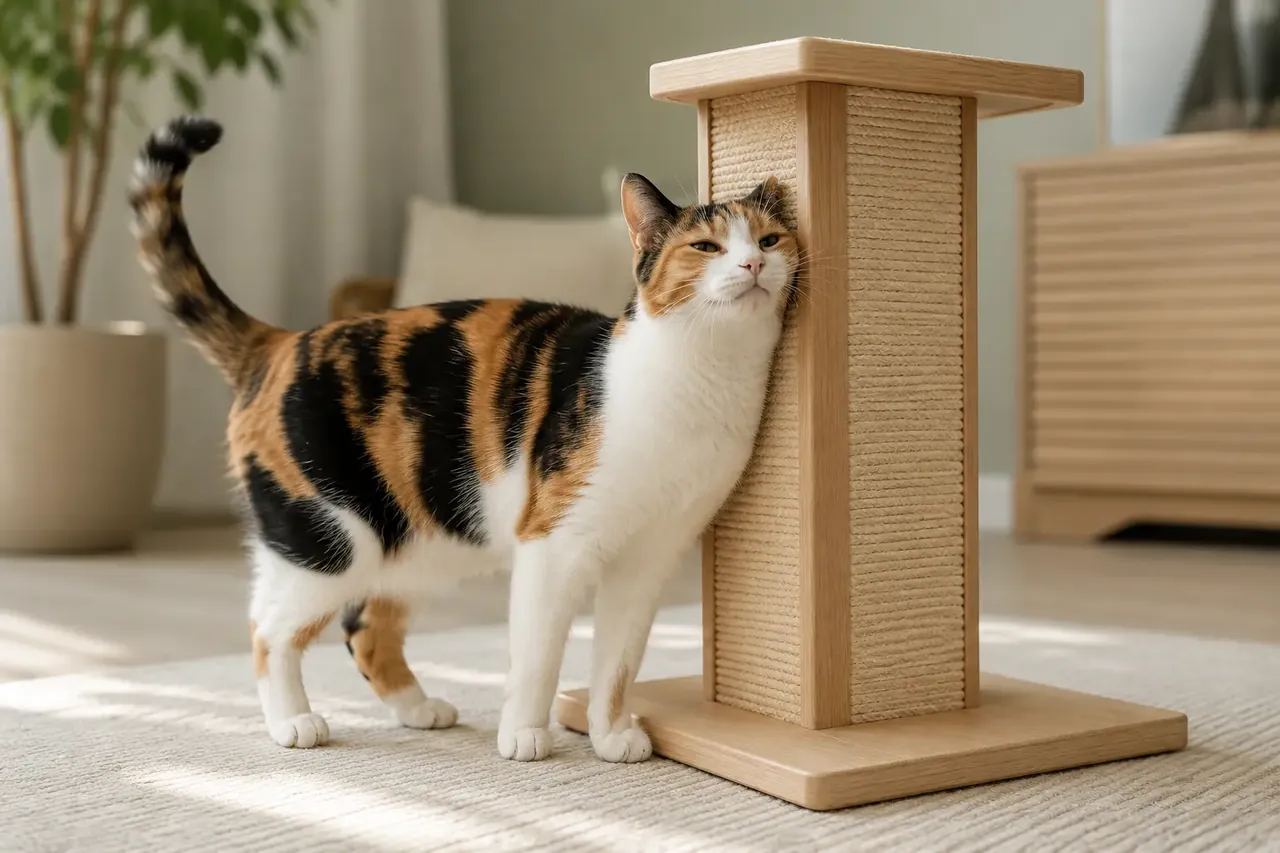 Topic illustration selected for this guide. Some learning images may be AI-assisted.
What does it mean when a cat flicks only one ear — the quick answer
✓ One ear can track a sound independently, but repeated one-sided flicking may also reflect irritation.
✓ Observe: Look for scratching, redness, odor, discharge, head tilt or sensitivity.
✓ Try this: Leave the ear canal untouched and arrange veterinary assessment if it persists.
One ear can track a sound independently, but repeated one-sided flicking may also reflect irritation. The useful question is not only what the moment resembles, but whether it fits this cat’s normal pattern. Context, frequency, recovery and accompanying changes make the interpretation safer and more accurate.
First check the sound context
Notice whether one flick follows a voice, appliance, insect or sound from that side and stops when the sound ends. Independent ear tracking with a relaxed body is normal. Repeated flicking at rest or focus on the same ear deserves closer observation.
Inspect only what is visible
In good light, compare the outer ears for redness, swelling, discharge, dark debris, odour and wounds. Stop if the cat shows pain. Do not insert cotton buds, fingers or a camera into the canal and do not force the ear flat for a photograph.
Leave diagnostic material in place
If symptoms are present, contact the clinic before cleaning because a sample may help identify mites, yeast, bacteria or another cause. Never use peroxide, alcohol, vinegar, oils, essential oils, human ear medicine or leftover pet drops; some products are unsafe if the eardrum is damaged.
Record connected signs
Track scratching, head shaking, facial sensitivity, hearing response, balance and whether another pet has ear symptoms. A short video from a distance can show frequency and head position. Do not share medication between animals even when debris looks similar.
When veterinary care matters
Arrange assessment for persistent one-sided flicking with redness, odour, debris, discharge, swelling or pain. Head tilt, loss of balance, rapid abnormal eye movement, facial weakness, severe pain or sudden hearing change needs prompt care.
Your quick checklist
Loading saved progress…
Three simple things you can do
You do not have to change everything today. Pick one step that feels realistic, try it and see how your cat responds.
- 1Observe your cat’s individual baseline.
- 2Make one gentle change at a time.
- 3Ask a qualified professional when health or safety is involved.
Common mistakes
×Waiting for a dramatic symptom instead of noticing smaller changes from the cat’s normal routine.
×Changing several things at once, making it difficult to learn what actually helped.
×Treating general guidance as a substitute for advice from a veterinarian who knows the individual cat.
Questions cat people ask
Does every cat follow the same rule?+
No. Age, health, history, temperament and environment all change what works for an individual.
When should I seek professional help?+
Seek veterinary advice for sudden, persistent or concerning changes and urgent help for breathing difficulty, collapse, seizures, poisoning or urinary obstruction signs.
Still looking for the right answer?
Search the full EverYes Cats encyclopedia with your own words — a symptom, food, behaviour, breed or everyday question.
Checked, dated and transparent
- Prepared by
- EverYes Cats editorial team
- Last updated
- Source checked
- Primary reference
- Merck Veterinary Manual: Ear Disorders of Cats ↗
We begin with the named reference, rewrite the information in plain language and add practical cat-parent steps. Urgent health statements are checked against veterinary sources. This guide has not been individually reviewed by a veterinarian unless explicitly stated. It provides education, not diagnosis or treatment.
How we choose and use sources →
Spotted something unclear or outdated? Tell us so we can review it.
Loading your saved choice…
A relaxed stretch can bridge rest and social contact while showing the cat feels safe enough to lengthen the body..
 01
 02
 04