Why Does My Cat Prefer Drinking From My Glass?
A cat may prefer a human glass because the water is fresh, elevated or placed near people, but shared drinking can expose both cat and person to residues. Offer the same appeal in a dedicated cat-safe glass or bowl.
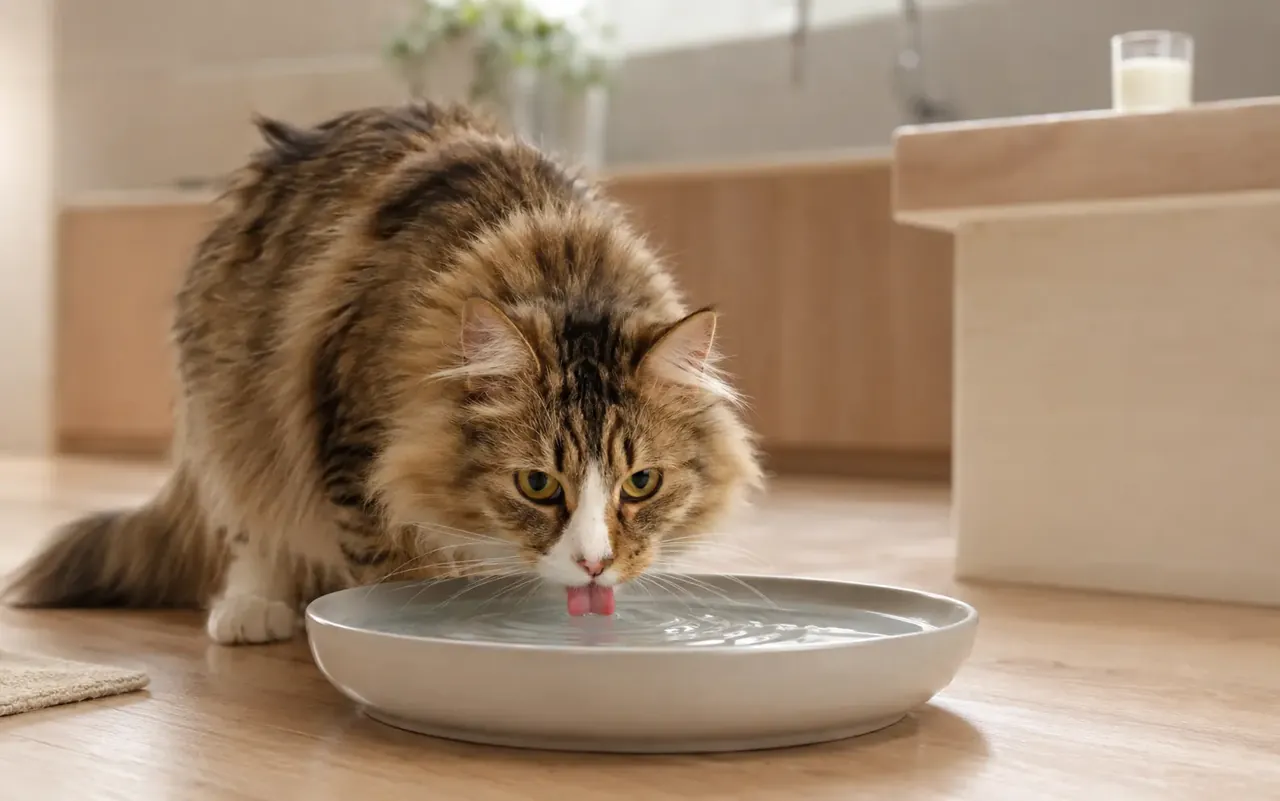
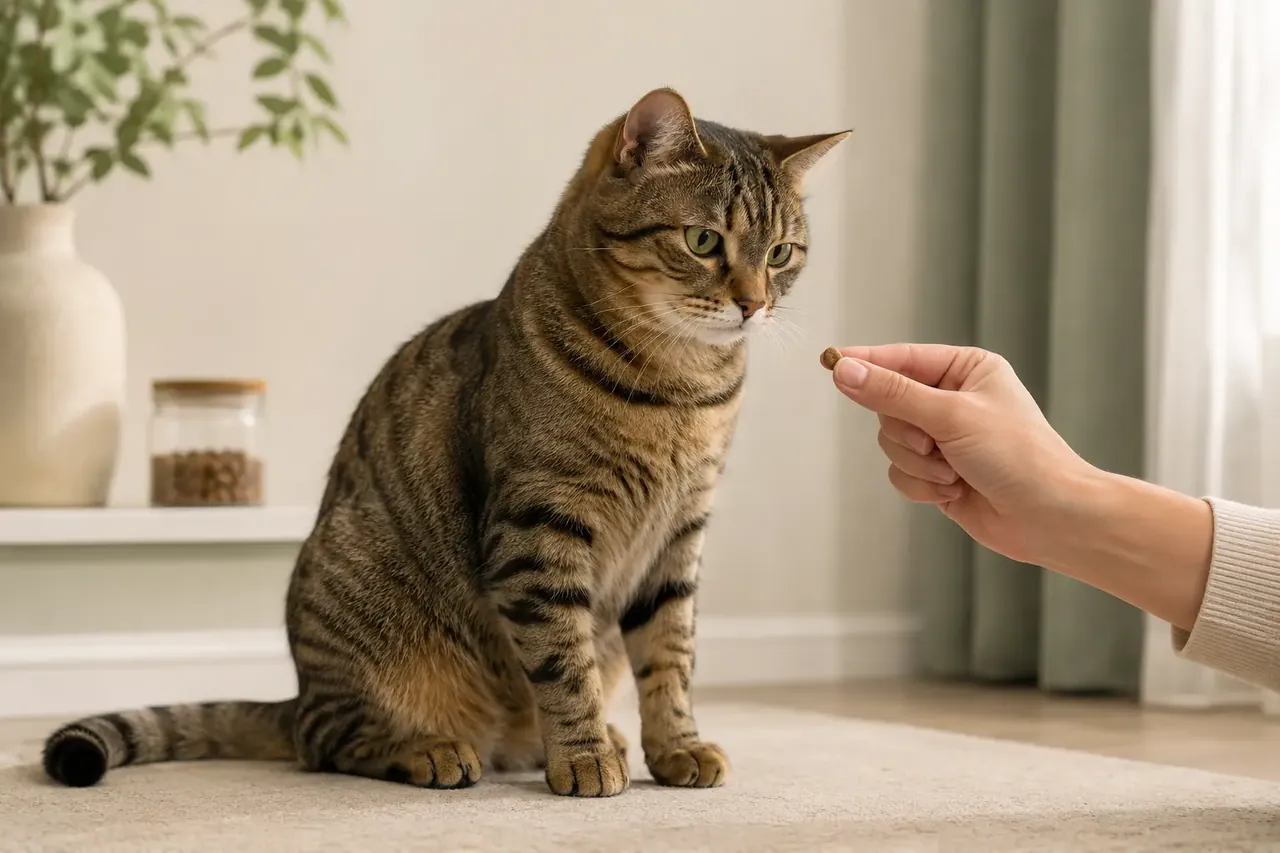 Topic illustration selected for this guide. Some learning images may be AI-assisted.
Why Does My Cat Prefer Drinking From My Glass — the quick answer
✓ A tall glass may seem fresh and interesting, but it can tip and may contain unsafe drinks.
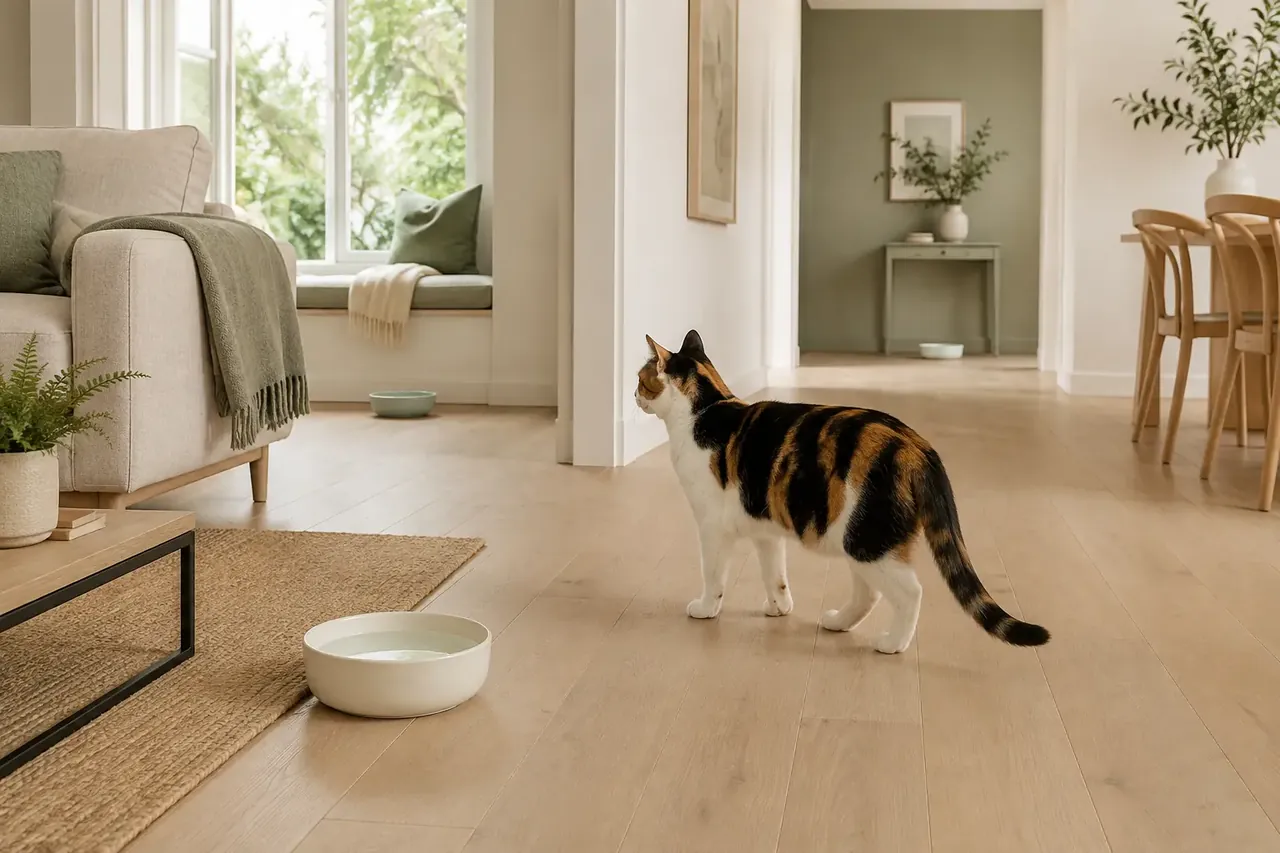
✓ Offer wide stable water vessels in several quiet places.
✓ Increased thirst or suspected alcohol, caffeine or sweetener exposure needs urgent advice.
A tall glass may seem fresh and interesting, but it can tip and may contain unsafe drinks. The full situation matters more than one isolated moment.
Check what makes the glass attractive
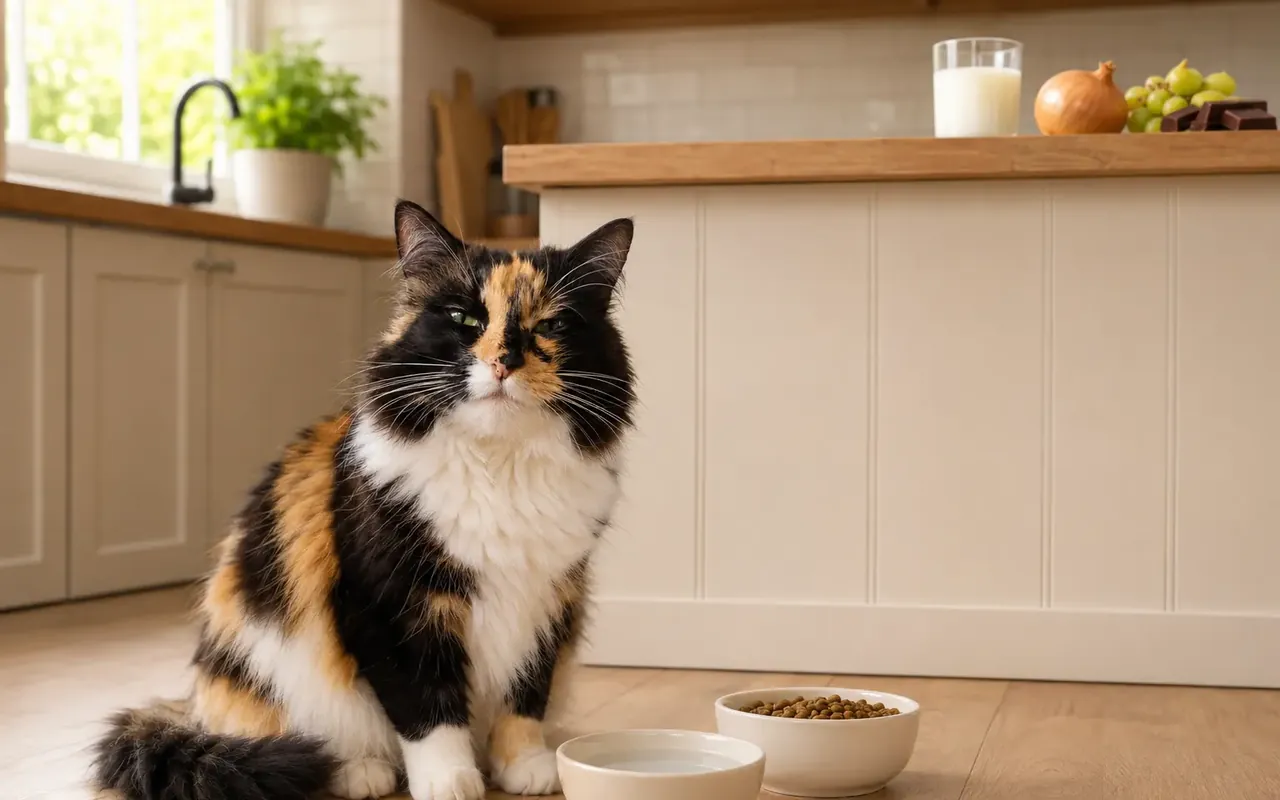
Compare freshness, material, height, location and distance from food. Keep human drinks containing alcohol, caffeine, sweeteners, medication, milk or flavouring completely inaccessible; only plain water is appropriate.
Create a dedicated alternative
Use a stable wide cat-only vessel that cannot tip or trap the head, wash it daily and refresh water often. Place several options in quiet locations and keep them separate from litter and human bedside medication.
Prevent unsafe sharing
Do not allow the cat to drink from a glass after lip products, cleaning residue or medicines could be present. Empty unattended glasses and ask household members and guests to follow the same rule.
Track actual thirst
Notice whether this is preference or a clear increase in drinking and urine. Measure or estimate refill frequency, wet-food intake and litter clump size rather than restricting access to water.
When to contact a veterinarian
Increased thirst or urine, weight loss, vomiting, weakness or appetite change needs veterinary assessment. Suspected alcohol, caffeine, sweetener or medication exposure requires prompt professional advice.
Your quick checklist
Loading saved progress…
Three simple things you can do
You do not have to change everything today. Pick one step that feels realistic, try it and see how your cat responds.
- 1Observe your cat’s individual baseline.
- 2Make one gentle change at a time.
- 3Ask a qualified professional when health or safety is involved.
Common mistakes
×Waiting for a dramatic symptom instead of noticing smaller changes from the cat’s normal routine.
×Changing several things at once, making it difficult to learn what actually helped.
×Treating general guidance as a substitute for advice from a veterinarian who knows the individual cat.
Questions cat people ask
Does every cat follow the same rule?+
No. Age, health, history, temperament and environment all change what works for an individual.
When should I seek professional help?+
Seek veterinary advice for sudden, persistent or concerning changes and urgent help for breathing difficulty, collapse, seizures, poisoning or urinary obstruction signs.
Still looking for the right answer?
Search the full EverYes Cats encyclopedia with your own words — a symptom, food, behaviour, breed or everyday question.
Checked, dated and transparent
- Prepared by
- EverYes Cats editorial team
- Last updated
- Source checked
- Primary reference
- FelineVMA: Feline Environmental Needs Guidelines ↗
We begin with the named reference, rewrite the information in plain language and add practical cat-parent steps. Urgent health statements are checked against veterinary sources. This guide has not been individually reviewed by a veterinarian unless explicitly stated. It provides education, not diagnosis or treatment.
How we choose and use sources →
Spotted something unclear or outdated? Tell us so we can review it.
Loading your saved choice…
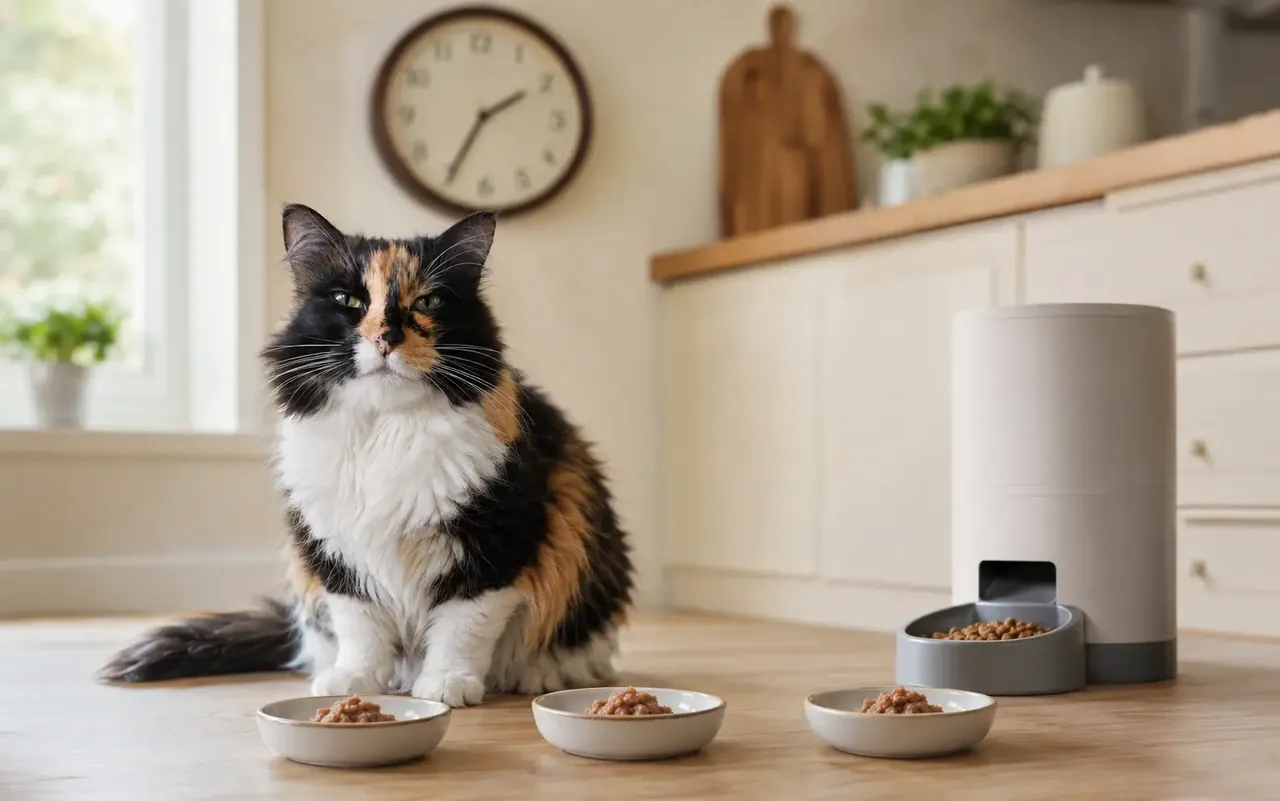
Wet food supplies moisture but does not remove the normal need to drink, especially after a salty-tasting or larger meal.
 01
 02
 03
 04
 05