How many human words can cats understand?
Cats can learn associations between particular human words, sounds and outcomes, but there is no fixed vocabulary count that applies to every cat. Consistency matters more than quantity.
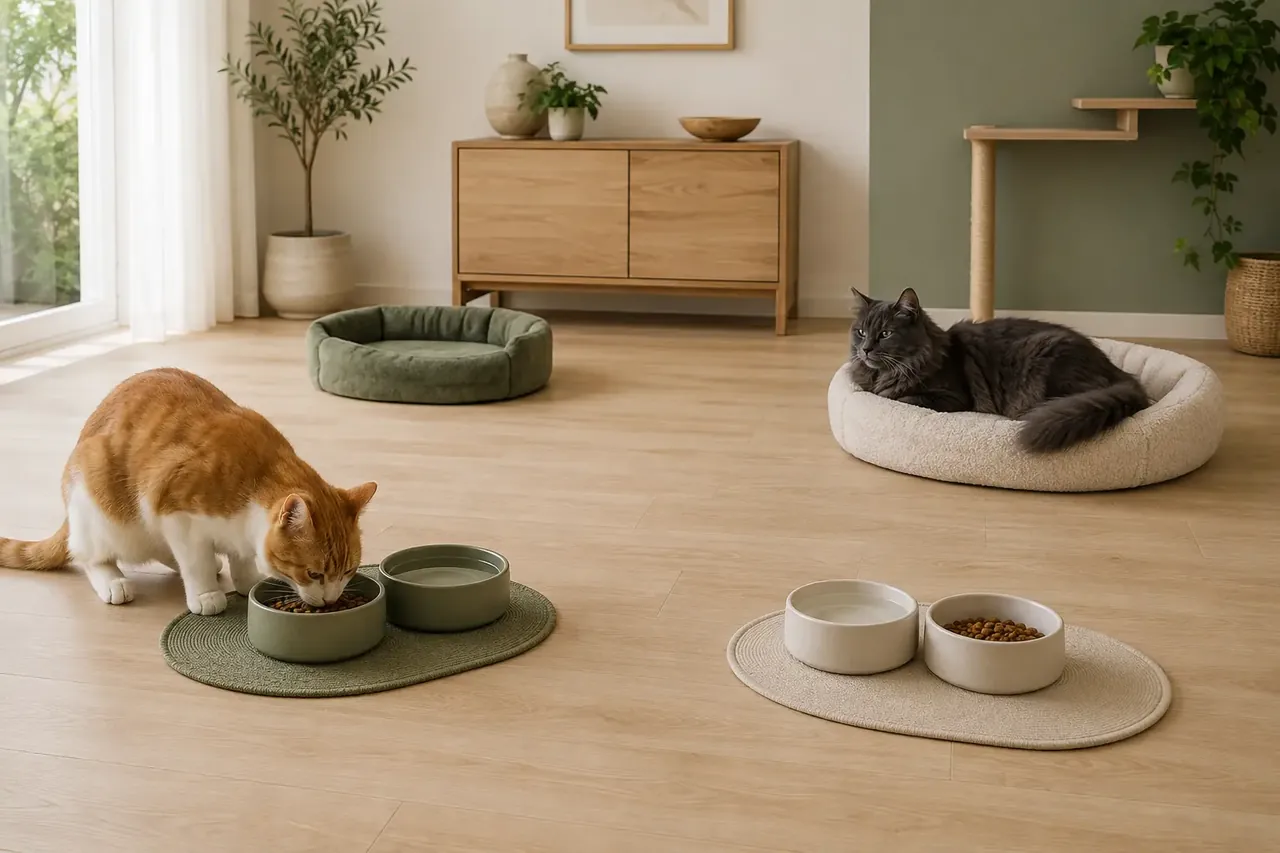
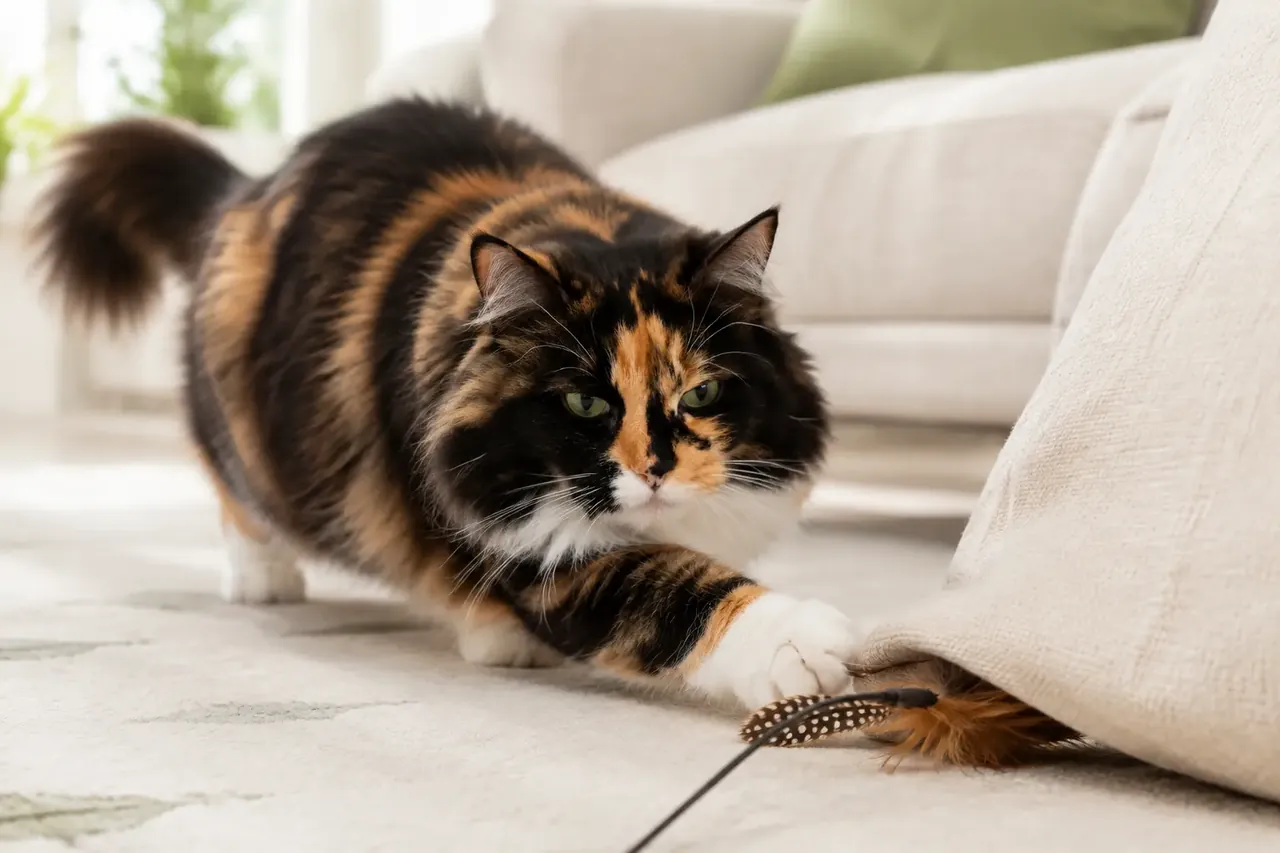
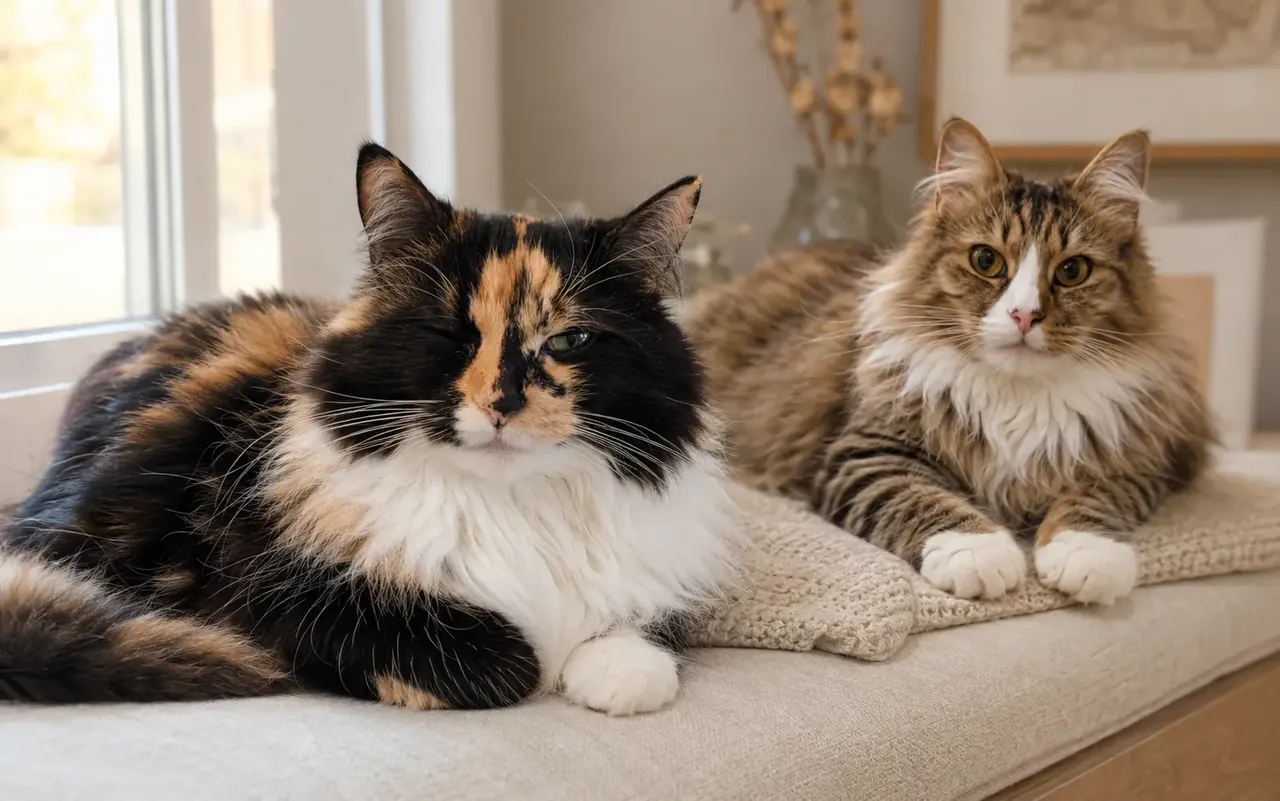 Topic illustration selected for this guide. Some learning images may be AI-assisted.
How many human words can cats understand — the quick answer
✓ Cats can learn associations with names, routines and repeated sounds, but fixed vocabulary claims are unreliable.
✓ Use short consistent cues and reward the response you want without repeated testing.
✓ Loss of response to familiar sounds can reflect hearing or health changes.
Cats can learn associations with names, routines and repeated sounds, but fixed vocabulary claims are unreliable. Recognition depends on tone, context, experience and what usually happens next. The useful answer comes from the whole situation—not one pose, sound or viral claim.
Association is the useful idea
A cat may learn that a name, meal cue, toy word or carrier signal predicts a specific event. This does not mean the cat understands grammar or abstract language as a person does.
Teach one cue clearly
Say a short cue once immediately before the same event, then reward the relevant response. Keep tone and wording consistent and practise in a calm setting with very short sessions.
Measure small responses
An ear turn, glance, pause, approach or movement toward a location may show learning. Do not require a dramatic performance, repeat endlessly or assume non-response means the word was forgotten.
Protect the cue's meaning
Avoid using a friendly cue before frightening restraint or switching its outcome unpredictably. Never punish failure. For safety cues and carrier training, build behaviour in small rewarded steps rather than relying on words alone.
Separate language from hearing
When a cat stops reacting to several familiar sounds, check context, motivation and distance, then consider hearing or health change. Persistent altered response, balance change or confusion warrants veterinary assessment.
Your quick checklist
Loading saved progress…
Three simple things you can do
You do not have to change everything today. Pick one step that feels realistic, try it and see how your cat responds.
- 1Observe your cat’s individual baseline.
- 2Make one gentle change at a time.
- 3Ask a qualified professional when health or safety is involved.
Common mistakes
×Waiting for a dramatic symptom instead of noticing smaller changes from the cat’s normal routine.
×Changing several things at once, making it difficult to learn what actually helped.
×Treating general guidance as a substitute for advice from a veterinarian who knows the individual cat.
Questions cat people ask
Does every cat follow the same rule?+
No. Age, health, history, temperament and environment all change what works for an individual.
When should I seek professional help?+
Seek veterinary advice for sudden, persistent or concerning changes and urgent help for breathing difficulty, collapse, seizures, poisoning or urinary obstruction signs.
Still looking for the right answer?
Search the full EverYes Cats encyclopedia with your own words — a symptom, food, behaviour, breed or everyday question.
Checked, dated and transparent
- Prepared by
- EverYes Cats editorial team
- Last updated
- Source checked
- Primary reference
- International Cat Care ↗
We begin with the named reference, rewrite the information in plain language and add practical cat-parent steps. Urgent health statements are checked against veterinary sources. This guide has not been individually reviewed by a veterinarian unless explicitly stated. It provides education, not diagnosis or treatment.
How we choose and use sources →
Spotted something unclear or outdated? Tell us so we can review it.
Loading your saved choice…
The pillow area is warm, relatively still and rich in familiar scent, so some cats choose to sleep near a person's head. It can fit social comfort, but the safest arrangement protects breathing and sleep and lets the cat leave freely.
 01
 03
 04
 05
 06