Preparing a senior cat for a veterinary visit
A short senior-cat appointment becomes more useful when you bring a clear timeline, medication list, weight record and videos of changes that may not appear in the clinic.
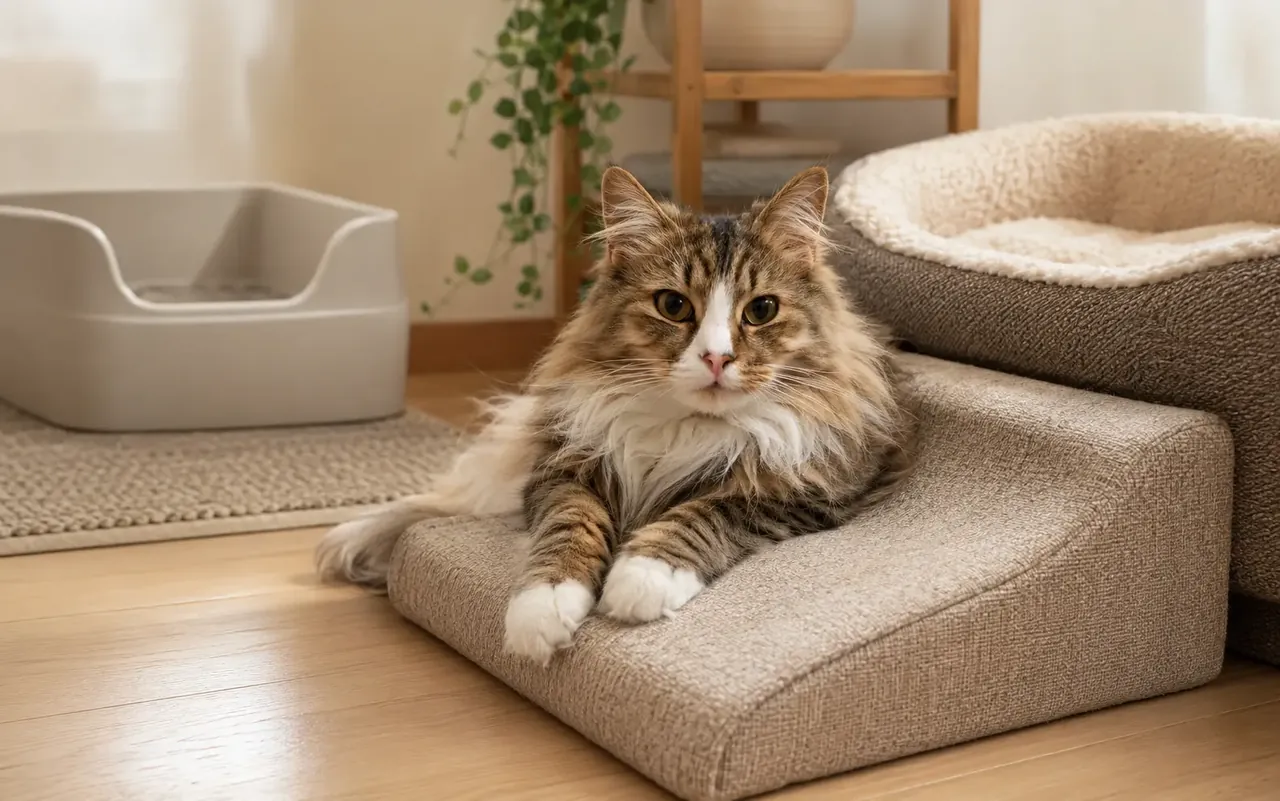 Topic illustration selected for this guide. Some learning images may be AI-assisted.
Preparing a senior cat for a veterinary visit — the quick answer
✓ Cats may mask pain and behave differently in the clinic than they do at home.
✓ Bring weight records, medication details, appetite and litter notes, plus short videos of movement or unusual behaviour.
✓ Do not delay an appointment for breathing trouble, collapse, seizures, inability to urinate or severe weakness.
Changes in an older cat are easier to assess when the veterinary team can see trends rather than a single snapshot.
The short answer
Changes in an older cat are easier to assess when the veterinary team can see trends rather than a single snapshot.
Why it may happen
Cats may mask pain and behave differently in the clinic than they do at home.
Read the whole situation
One behaviour rarely has one guaranteed meaning. Compare it with your cat’s age, health, posture, appetite, litter habits, environment and usual pattern before drawing a conclusion.
What to do now
Bring weight records, medication details, appetite and litter notes, plus short videos of movement or unusual behaviour.
What not to do
Avoid punishment, forced handling and sudden large changes. They can add fear while hiding the information that would help you understand the original cause.
When to contact a veterinarian
Do not delay an appointment for breathing trouble, collapse, seizures, inability to urinate or severe weakness.
Keep a useful record
Write down when it started, how often it happens and what immediately precedes and follows it. Photos, weights or short videos can make a veterinary or behaviour consultation more productive.
Prepare a one-page health snapshot
List current food, supplements and medications with exact amounts. Add recent weights and notes about appetite, thirst, urine, stool, vomiting, sleep, grooming, jumping and social behaviour. Put the most important new change first.
DEEPER GUIDE1 more detailed sectionsOpen +
Reduce stress without hiding symptoms
Leave the carrier out with familiar bedding before the visit and ask the clinic about travel or pre-visit support if needed. Do not give unapproved sedatives or delay care while trying to collect perfect records. Breathing trouble, collapse, seizures, inability to urinate or severe weakness is urgent.
Your quick checklist
Your progress is saved on this device.
Three simple things you can do
You do not have to change everything today. Pick one step that feels realistic, try it and see how your cat responds.
- 1Leave the carrier out with familiar bedding and treats before the appointment.
- 2Bring a concise log of food, water, litter, medication, weight and behaviour changes.
- 3Ask the clinic about low-stress timing and prescribed pre-visit medication.
Common mistakes
×Chasing the cat into a carrier at departure time.
×Stopping medication without instruction.
×Reporting only the most dramatic symptom without the timeline.
Questions cat people ask
What information should I bring for a senior cat check-up?+
A medication list, diet amounts, weight trend, videos of movement and notes on appetite, thirst, litter use and behaviour are especially useful.
How can I make vet visits less stressful?+
Carrier training, familiar scent, a cover, calm transport and veterinarian-prescribed pre-visit medication can all help.
Still looking for the right answer?
Search the full EverYes Cats encyclopedia with your own words — a symptom, food, behaviour, breed or everyday question.
Checked, dated and transparent
- Prepared by
- EverYes Cats editorial team
- Last updated
- 13 August 2026
- Source checked
- 13 August 2026
- Primary reference
- AAHA/AAFP Feline Life Stage Guidelines ↗
We begin with the named reference, rewrite the information in plain language and add practical cat-parent steps. Urgent health statements are checked against veterinary sources. This guide has not been individually reviewed by a veterinarian unless explicitly stated. It provides education, not diagnosis or treatment.
Spotted something unclear or outdated? Tell us so we can review it.
Your answer helps us improve the cat encyclopedia.
A modest stable height can help some cats eat comfortably, but there is no single correct setup. A practical guide to what matters, what to do and when to seek help.