Can a cat’s purr really heal bones?
Purring may be comforting and can occur during rest, social contact, stress or pain, but frequency overlap is not proof that a cat's purr heals bones or treats disease. Never use purring as a substitute for veterinary or medical care.
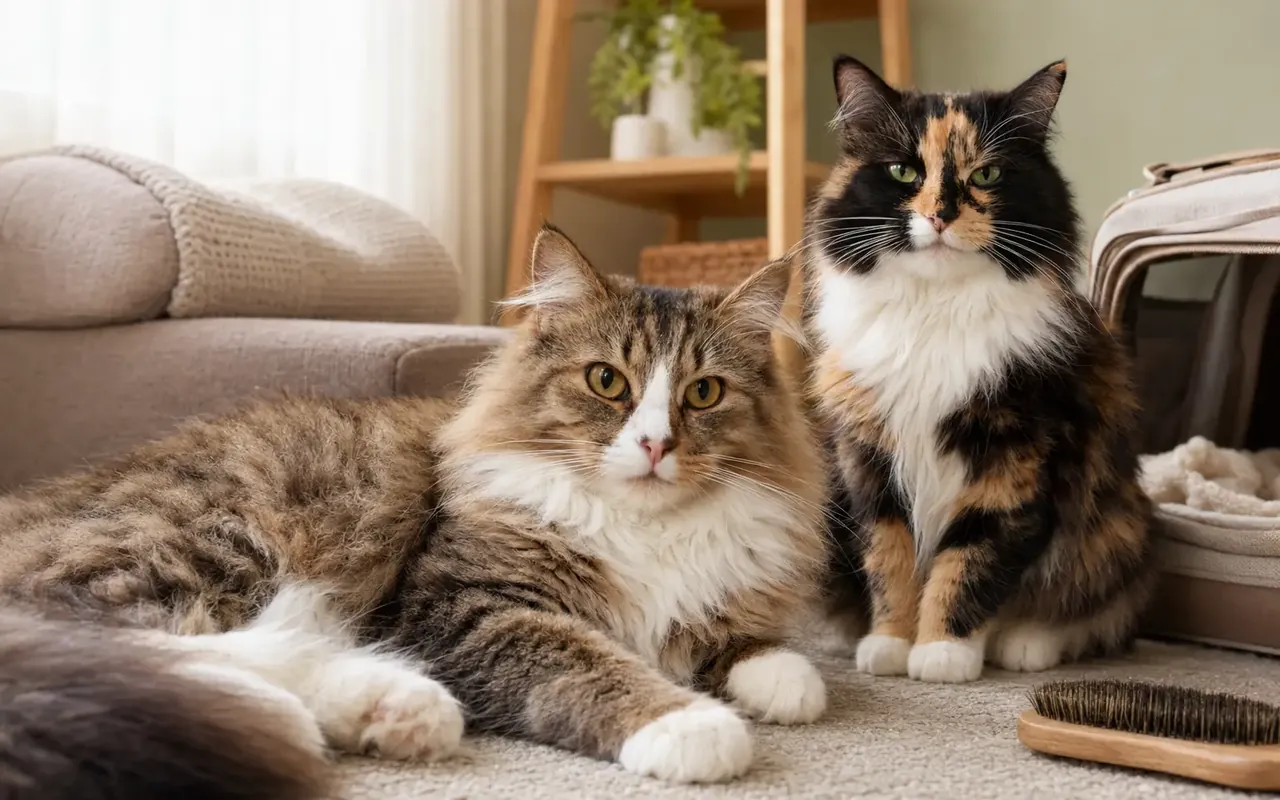 Topic illustration selected for this guide. Some learning images may be AI-assisted.
Can a cat’s purr really heal bones — the quick answer
✓ Interesting frequency theories do not prove that purring is a medical treatment
✓ Enjoy purring as communication while using evidence-based veterinary care for illness and injury.
✓ Never let a purr reassure you when the cat is hiding, not eating, breathing differently or in pain.
Interesting frequency theories do not prove that purring is a medical treatment. Cats purr in comfort and sometimes during pain or stress, so context remains essential. This guide separates the useful observation from guesswork and gives you one safe next step.
Separate measured sound from a treatment claim
A purr contains vibrations across a range of frequencies. Some discussions compare those frequencies with vibration research in other settings, but overlap alone does not show that ordinary purring delivers the same dose, reaches the same tissue or produces a clinical result.
Ask what evidence would be needed
To prove healing, controlled studies would need defined exposure, suitable comparison groups and outcomes such as recovery time or bone strength. A theory, frequency chart or observation that cats purr while injured cannot establish cause. At present, purring should not be presented as bone therapy.
Remember that cats purr in several states
Many cats purr when relaxed or seeking contact, but some also purr when frightened, giving birth, injured or unwell. Read posture, facial tension, breathing, appetite, movement, hiding and the situation. The sound by itself cannot prove comfort or rule out pain.
Enjoy the real benefit without exaggeration
Quiet interaction with a familiar cat may feel calming and strengthen a relationship when the cat chooses to stay. That valuable experience does not require a medical cure claim. Respect withdrawal, avoid holding the cat in place and stop if ears, tail, skin or body posture shows tension.
Check the cat behind the purr
Seek veterinary advice when purring accompanies reduced eating, hiding, lameness, unusual stillness, vomiting, altered urination or a clear behaviour change. Open-mouth breathing, severe breathing effort, collapse, major trauma or inability to urinate requires urgent care even if the cat is purring.
Keep treatment evidence-based
Do not delay pain relief, fracture assessment or other care while trying sound recordings, vibration devices or supplements. People with injuries also need qualified medical advice. Purring can be communication and companionship; it is not a prescribed dose or a diagnostic test.
Your quick checklist
Loading saved progress…
Three simple things you can do
You do not have to change everything today. Pick one step that feels realistic, try it and see how your cat responds.
- 1Read purring together with posture, appetite and normal behaviour.
- 2Seek veterinary care when purring accompanies hiding, tension or illness signs.
- 3Enjoy the calming interaction without replacing medical treatment.
Common mistakes
×Assuming a purring cat cannot be in pain.
×Calling specific healing frequencies a proven treatment.
×Delaying care because purring sounds reassuring.
Questions cat people ask
Can a cat's purr heal bones?+
Purr vibrations overlap frequencies explored in other research, but this does not prove that purring heals a cat's or person's bones.
Why do cats purr when they are hurt?+
Purring can occur during comfort, stress, pain or self-soothing. Context and health signs matter more than the sound alone.
Still looking for the right answer?
Search the full EverYes Cats encyclopedia with your own words — a symptom, food, behaviour, breed or everyday question.
Checked, dated and transparent
- Prepared by
- EverYes Cats editorial team
- Last updated
- Source checked
- Primary reference
- NIH review: Clinical Applications of Vibration Therapy ↗
We begin with the named reference, rewrite the information in plain language and add practical cat-parent steps. Urgent health statements are checked against veterinary sources. This guide has not been individually reviewed by a veterinarian unless explicitly stated. It provides education, not diagnosis or treatment.
How we choose and use sources →
Spotted something unclear or outdated? Tell us so we can review it.
Loading your saved choice…
Cats enter REM sleep and show brain and body patterns consistent with dreaming, but research cannot reveal the exact content. Small twitches during relaxed sleep can be normal.